
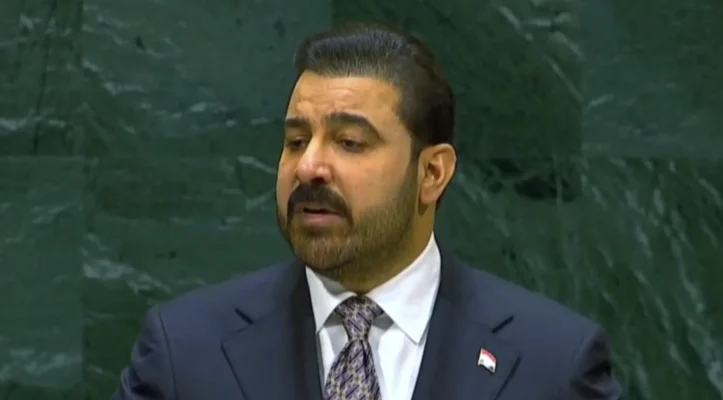
Iraqi Prime Minister Ali al-Zaidi has announced that U.S. troops are scheduled to withdraw from the country by the end of September. This significant development marks a notable shift in the security landscape of Iraq, where the presence of American military forces has been a contentious issue for many years.
Impact of U.S. Withdrawal on Iraqi Security
The anticipated departure of U.S. troops holds implications for Iraq’s internal security. With the Iraqi government aiming to take full control of its military operations, this move presents both opportunities and risks. On one hand, an increased sense of sovereignty can enhance national pride and self-reliance. On the other hand, concerns remain about the capabilities of local security forces to effectively handle potential threats from extremist groups and unrest.
The Iraqi military has made strides in improving its operational capacity, but the complete withdrawal of U.S. forces could expose vulnerabilities. Experts warn that without continued support, including training and intelligence sharing, the Iraqi security apparatus may struggle to maintain stability in the region. This is particularly concerning given the resurgence of various militant groups that pose a threat to national and regional security.
Political Reactions and Public Sentiment
The announcement has drawn mixed reactions from various political factions and the general populace. Some segments of society view the withdrawal as a long-overdue step toward full independence, celebrating the move as a victory for Iraqi sovereignty. These advocates argue that Iraqis are ready to take charge of their own security.
Conversely, critics of the withdrawal express skepticism, citing a lack of confidence in the Iraqi army’s readiness to handle emerging threats effectively. The fear of increased instability post-withdrawal is palpable, leading to debates around the necessity of maintaining a contingent should tensions escalate. This division highlights the complex landscape of Iraq’s political environment, where opinions about foreign military presence are deeply polarized.
The Future of U.S.-Iraq Relations
Moving forward, the U.S.-Iraq relationship will likely undergo a transformation as troops exit. While military presence may diminish, diplomatic ties and cooperation will remain vital. Both governments will need to navigate the new status quo, focusing on areas such as economic development, counterterrorism, and regional stability.
Strengthening these diplomatic relations will be crucial for ensuring that Iraq continues to make progress in various sectors, including governance and social stability. Engaging in multifaceted partnerships could also provide Iraq with the necessary support to tackle ongoing challenges effectively.
Conclusion: A Pivotal Moment for Iraq
The scheduled withdrawal of U.S. troops by the end of September represents a turning point in Iraq’s journey towards self-governance and security. As the country grapples with the implications of this decision, both the government and its citizens must work together to build a stable future. While challenges lie ahead, the commitment to fostering a self-reliant Iraq can serve as a foundation for lasting peace and development.