
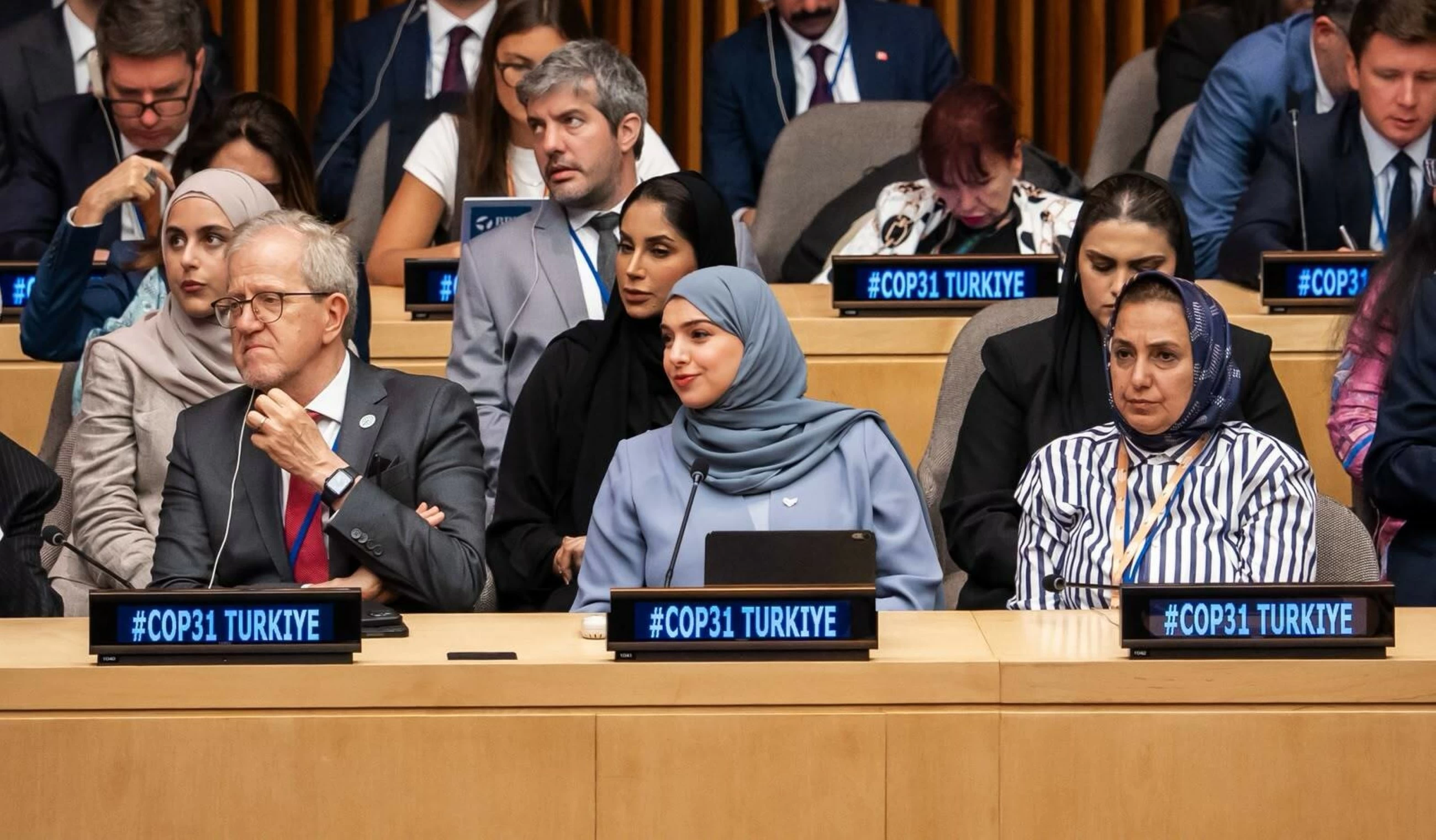
The Ministry of Climate Change and Environment (MOCCAE) recently held a significant High-Level Ministerial Majlis focused on addressing the pressing issue of water scarcity. This dialogue highlighted the urgency of collaborative efforts in managing water resources effectively while also acknowledging the challenges posed by climate change.
Importance of Collaborative Water Resource Management
In the context of increasing water stress, it is crucial for nations to work together to develop sustainable strategies for water management. Water scarcity affects various sectors, including agriculture, industry, and public health, and demands collective action from governing bodies. The dialogue emphasized sharing knowledge, technology, and best practices as vital components in tackling these water-related challenges.
Moreover, the need for innovative solutions and modern technologies was underscored during the discussions. The stakeholders recognized the importance of integrating these advancements into existing water management frameworks to enhance efficiency and maximize resource use. By embracing a cooperative approach, nations can leverage their strengths and address disparities in water distribution and quality.
Climate Change’s Impact on Water Resources
Climate change has become a primary driver of water scarcity, influencing precipitation patterns and evaporation rates. The meeting highlighted how rising temperatures exacerbate the challenge, making it even more crucial for policymakers to prioritize adaptive strategies. By assessing climate risk and developing targeted adaptation plans, countries can better mitigate the effects on their water supply.
Additionally, the dialogue focused on the concept of water resilience, stressing the need for infrastructure that can withstand climate-related shocks. Investing in green infrastructure, such as rainwater harvesting systems and rejuvenated wetlands, can enhance water security and boost sustainability efforts in the face of climate challenges.
Engaging Local Communities in Water Management
An effective water management strategy cannot overlook the vital role of local communities. Engaging citizens in water conservation efforts helps build a sense of ownership and responsibility toward resource management. The discussions at the Majlis highlighted the importance of community-based initiatives that encourage participation in water-saving practices.
Educating residents about water use and providing training on efficient practices can create a ripple effect, leading to broader societal changes. While institutional efforts are essential, grassroots involvement is equally crucial for establishing a culture of sustainability and responsible resource use.
Conclusion: The Path Forward in Water Management
As the MOCCAE dialogue concluded, it became clear that addressing water scarcity is a multifaceted challenge requiring an integrated approach. By fostering collaboration among nations, leveraging technology, and engaging local communities, we can create a sustainable future where water resources are preserved for generations to come. The discussions serve as a reminder that while the challenges are daunting, collective action can pave the way for solutions that ensure the equitable distribution and sustainable management of our most precious resource. Achieving this goal will not only benefit individual nations but also enhance global resilience in the face of climate change.