
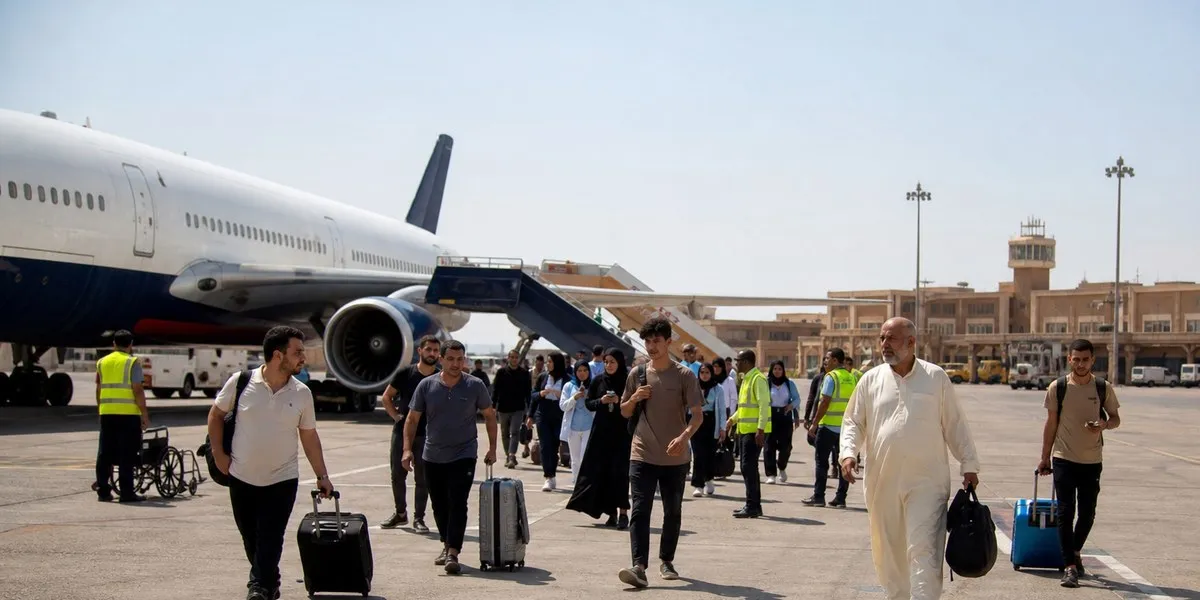
Iraq is currently engaged in discussions with the United States to secure an exemption from U.S. sanctions for Iranian airline flights destined for specific airports in Iraq. This initiative, as reported by Prime Minister Ali Al-Zaidi’s office, aims to restore these air links primarily for humanitarian purposes, which include medical travel, educational needs, and religious pilgrimages.
Negotiations for Sanction Relief
The Iraqi government is making significant efforts to alleviate regional tensions while seeking these exemptions. Officials warn that prolonged crises could exacerbate the already volatile situation, urging all involved parties to enter into meaningful dialogue and negotiations. In contrast, the U.S. is intensifying their economic pressure on Iran, particularly with secondary sanctions that target foreign entities collaborating with Iranian firms. U.S. Treasury Secretary Scott Bessent has warned that any company that conducts business with Iranian airlines could be barred from the international dollar system.
Impact on Flights to Najaf and Baghdad
The recent sanctions have led to the suspension of flights from Iranian airlines to various neighboring countries, including Iraq, the United Arab Emirates, and Oman. As part of this fallout, Iran’s Civil Aviation Organization has halted ticket sales for destinations like Najaf, which is home to the revered Imam Ali shrine. The Iranian consulate in Najaf has expressed strong discontent over these restrictions, especially considering the importance of the city to Iranian pilgrims.
Additionally, flights to Baghdad were also suspended last week. This was unexpected, given that earlier reports indicated the Najaf route would remain accessible. The closure of these air routes could potentially deepen Iran’s isolation on the global stage and significantly worsen its current economic challenges.
As these discussions progress, the implications of any exemptions granted by the U.S. could play a crucial role in easing not only the immediate travel restrictions but also in addressing the broader humanitarian needs of those wishing to travel for religious, medical, or educational reasons. With both nations involved in these intricate negotiations, the outcome is pivotal for the future of regional stability and cooperation.