
Iran’s Commitment to International Law and Diplomacy
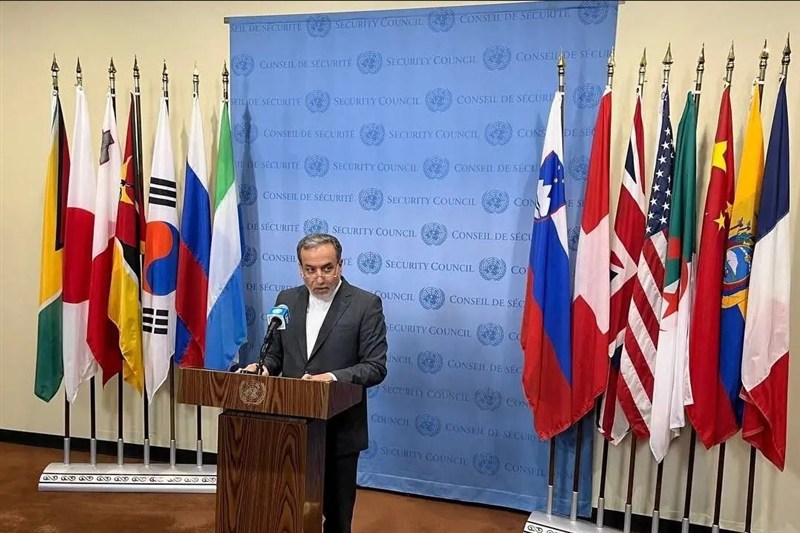
Iran continues to assert its dedication to international law and diplomacy, particularly in the wake of rising tensions with the United States and Israel. During a recent press conference outside the United Nations Security Council, Iranian official Araqchi highlighted the nation’s commitment to both the UN Charter and the principles of diplomacy. These principles were foundational during the negotiations that led to the historic 2015 nuclear deal, which Iran has been committed to implementing over the years.
The Human Cost of Aggression
Araqchi condemned the aggressive actions taken against Iran, noting that more than 5,000 lives have been lost due to US-Israeli hostility, including many innocent women and children. He pointed out that these measures amount to serious human rights violations and constitute blatant breaches of international law. Instances of violence include the assassination of Iranian leaders and senior officials, targeting civilian areas such as schools, hospitals, and cultural sites. Specific incidents, such as the killing of students in Minab and missile strikes on weddings, serve as stark reminders of the toll such actions take on civilian life.
In response to these provocations, Araqchi criticized the narratives pushed by US and Israeli officials, which he claims aim to reverse the roles of victim and aggressor. He firmly stated that such tactics will not obscure the truth behind their attacks on Iranian citizens.
Economic Measures as Coercion
Araqchi also addressed the economic hardships faced by the Iranian populace, asserting that US policies have turned economic deprivation into a mechanism of collective punishment. This deliberate strategy, according to him, violates fundamental rights, including access to essential needs such as healthcare and nutrition. He characterized these economic sanctions as not just coercive but as acts of “economic terrorism,” further highlighting a clear violation of International Court of Justice measures laid down in 2018.
Iran’s Nuclear Program and Non-Proliferation Efforts
On the subject of Iran’s nuclear ambitions, Araqchi firmly rejected assertions that the country is on the brink of acquiring nuclear weapons. Such claims, he argued, are politically motivated and have been bandied about since 2003. Iran has maintained its commitment to the Nuclear Non-Proliferation Treaty (NPT) and has welcomed extensive oversight by the International Atomic Energy Agency (IAEA). He emphasized the contradiction in the US’s stance—advocating for non-proliferation while simultaneously targeting peaceful nuclear facilities governed by IAEA regulations.
Strait of Hormuz and Regional Security
Focusing on the strategic Strait of Hormuz, Araqchi assured that Iran remains committed to ensuring safe maritime navigation. However, he stressed that stability cannot be achieved through military intimidation or blockades. He noted that the ongoing insecurity in this vital waterway is largely due to external aggression, particularly from the US and Israel. Respect for sovereignty and responsible engagement from regional nations are essential for the restoration of peace and security.
In light of recent diplomatic efforts, including the Islamabad memorandum signed in June, Araqchi highlighted Iran’s proactive role in fostering safe maritime passage. Despite initial progress, he lamented that subsequent US measures have obstructed these efforts. He stated that Iran remains open to diplomacy but requires tangible guarantees to rebuild trust and ensure that diplomatic negotiations can proceed without fear of repeating past aggressions.
In conclusion, Araqchi reiterated Iran’s unwavering resolve to engage in constructive dialogue while asserting its sovereign rights. The ongoing geopolitical tensions underscore the importance of adherence to international law and the UN Charter, which aim to provide a framework for peaceful resolutions rather than the “law of the jungle.”