
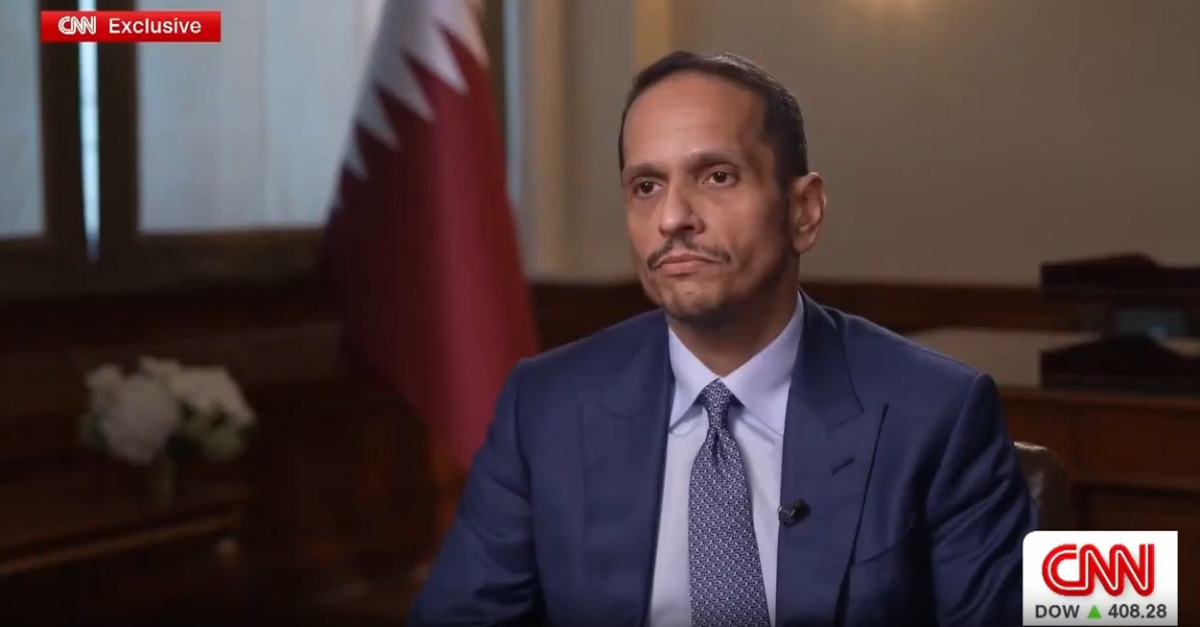
Doha, Qatar, is at the center of rising tensions in the Strait of Hormuz, a critical maritime route for global trade. The Prime Minister and Minister of Foreign Affairs, HE Sheikh Mohammed bin Abdulrahman bin Jassim Al-Thani, has characterized the situation as “very difficult” and “challenging.” He emphasized the urgent need for a collective international effort to address the ongoing issues within this vital waterway.
Concerns Over Global Shipping Routes
In a recent interview with CNN’s Christiane Amanpour, the Prime Minister voiced his concerns about the Strait of Hormuz, stating, “This is unacceptable. The Strait has always been an international waterway, and this is becoming a global problem.” His remarks underline the significance of the Strait not only for regional security but also for the stability of international trade. With oil shipments being a pivotal element of the global economy, any disruption in this route could have far-reaching consequences.
Al-Thani noted that the current situation has been exploited as a bargaining chip in ongoing conflicts, which he considers unacceptable. “The world needs to come together to address this issue,” he stated, asserting that the manipulation and blackmailing of these waterways must end to safeguard both current and future generations. The Prime Minister’s call for global unity highlights the growing urgency for nations to collaborate and restrain aggressive maneuvers in this critical region.
Prospects for Diplomatic Engagement
During the discussion, the Prime Minister also provided updates on the state of negotiations between Iran and the United States. He mentioned that indirect talks have taken place, reflecting some positive developments. “We are really hopeful that diplomacy can prevail and that we can find a solution,” Al-Thani said. His optimism points to the possibility of a diplomatic resolution to the tensions, which is vital for both regional security and international economic stability.
The emphasis on diplomacy resonates amid fears of potential escalation that could disrupt not just Gulf nations but also affect global markets and security. Al-Thani’s remarks suggest that efforts toward dialogue are critical at this juncture and should be supported by the international community.
Strengthening Defense Partnerships
Furthermore, Al-Thani highlighted the defense arrangements Qatar has with the United States, describing this partnership as invaluable despite the ongoing challenges faced by Gulf countries. He underscored that their alliance with the U.S. remains crucial in navigating these turbulent waters. “What is happening right now is an outstanding circumstance that all of us are looking at,” he stated, indicating a reflective approach toward enhancing future collaborations.
The Prime Minister’s perspective suggests a commitment to strengthening these defense ties in response to evolving geopolitical dynamics. As nations navigate a complex security landscape, the importance of robust partnerships becomes evident, particularly in a region that has historically been volatile.
In conclusion, the situation in the Strait of Hormuz emphasizes the urgent need for international cooperation in addressing security challenges and maintaining vital shipping lanes. The Prime Minister’s remarks convey a dual message of caution and hope, advocating for diplomatic solutions while reinforcing the importance of strategic alliances in safeguarding regional and global interests.