
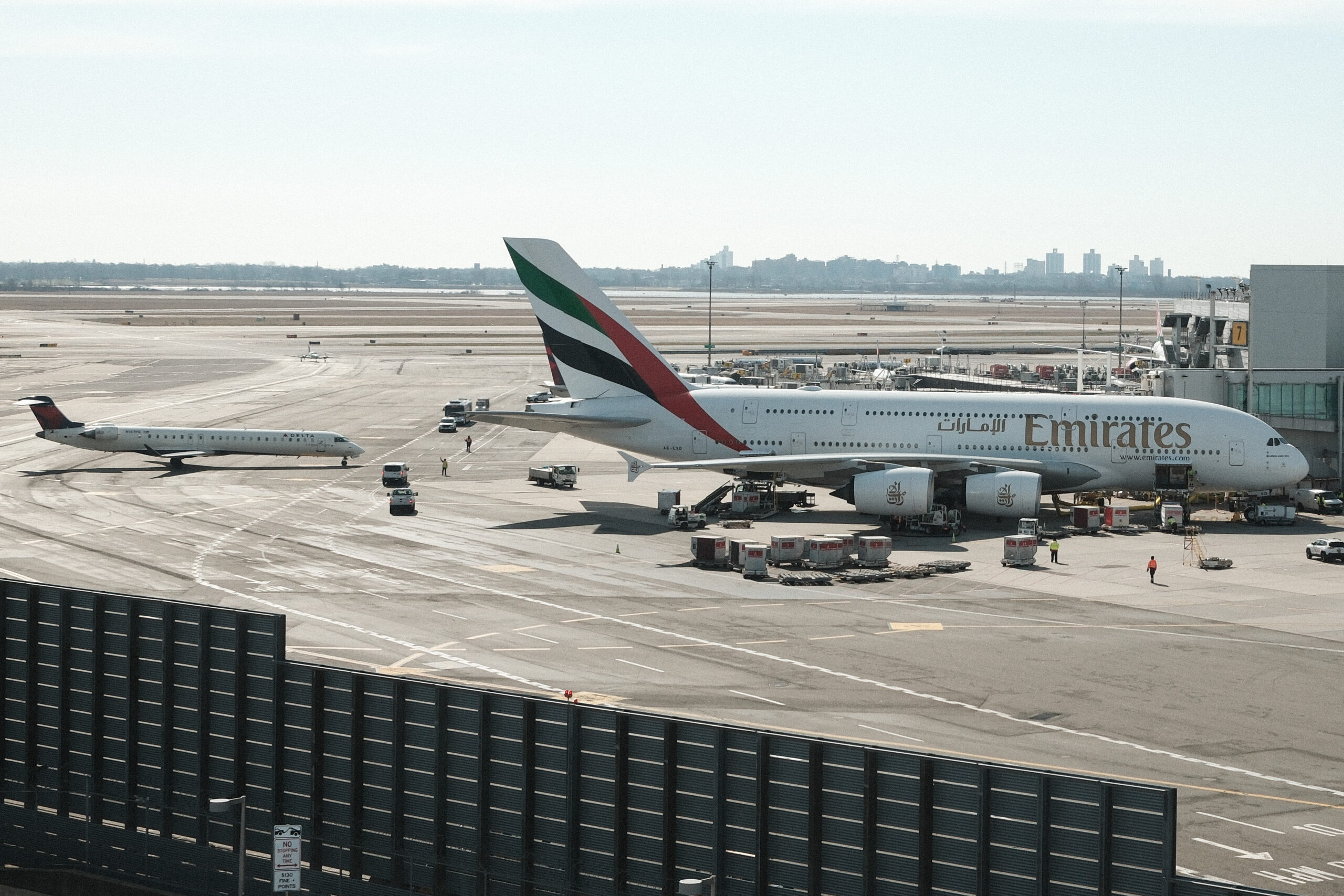
The Israeli Transportation Ministry has proposed a significant plan for Emirates airline to establish direct flights connecting Tel Aviv with major cities like New York and Bangkok. This initiative aims to enhance regional connectivity and strengthen ties between Israel and the United Arab Emirates (UAE).
Key Developments in the Proposal
Recently, a group of senior officials from the Israeli ministry met with Emirati counterparts and representatives from Emirates in Abu Dhabi to discuss this initiative further. Israeli Ambassador to the UAE, Yossi Shelley, endorsed the delegation’s visit, emphasizing the significance of fostering transportation cooperation between the two nations. Shelley remarked, “Strengthening our transport links is a vital pillar of the Israel-UAE partnership, creating new opportunities for regional connectivity and growth.”
Under this proposal, Emirates would be granted seventh freedom rights, allowing the airline to operate flights between two countries without needing a stop in the UAE. However, implementing this plan may be complicated. It would necessitate amendments to existing Israeli aviation laws, potentially facing opposition from local airlines such as El Al, IsraAir, and Arkia.
Current Airline Operations Amid Regional Tensions
Since the attacks on October 7, 2023, Emirates has halted flights to Israel. In contrast, Etihad Airways, the national carrier of the UAE, has made Tel Aviv one of its busiest destinations, and Fly Dubai continues to maintain consistent service to Israel. This reshuffling of airline routes highlights the ongoing challenges facing travel to and from Israel amid the regional tensions.
American Airlines, which suspended its direct flights to Israel after the attacks, has recently announced an extension of this suspension until January 6, 2027. During this tumultuous period, El Al emerged as one of the few reliable options for travelers flying between the U.S. and Israel, leading to a surge in demand and rising ticket prices.
Responses from Other Airlines
Major U.S. carriers like United Airlines and Delta Airlines temporarily resumed their services between Israel and New York after initially suspending all flights following the October events. Both airlines reinstated operations earlier this year but had to halt those due to developments in the region. This ongoing fluctuation in flight operations showcases the complex nature of air travel in and out of Israel amid various geopolitical factors.
In conclusion, the proposal to enhance air connectivity between Israel and key global cities through Emirates airline not only underscores the evolving relationship between Israel and the UAE but also highlights the critical need for stable travel options in a challenging environment. Improved transportation links could play a crucial role in fostering economic growth and regional partnerships.