
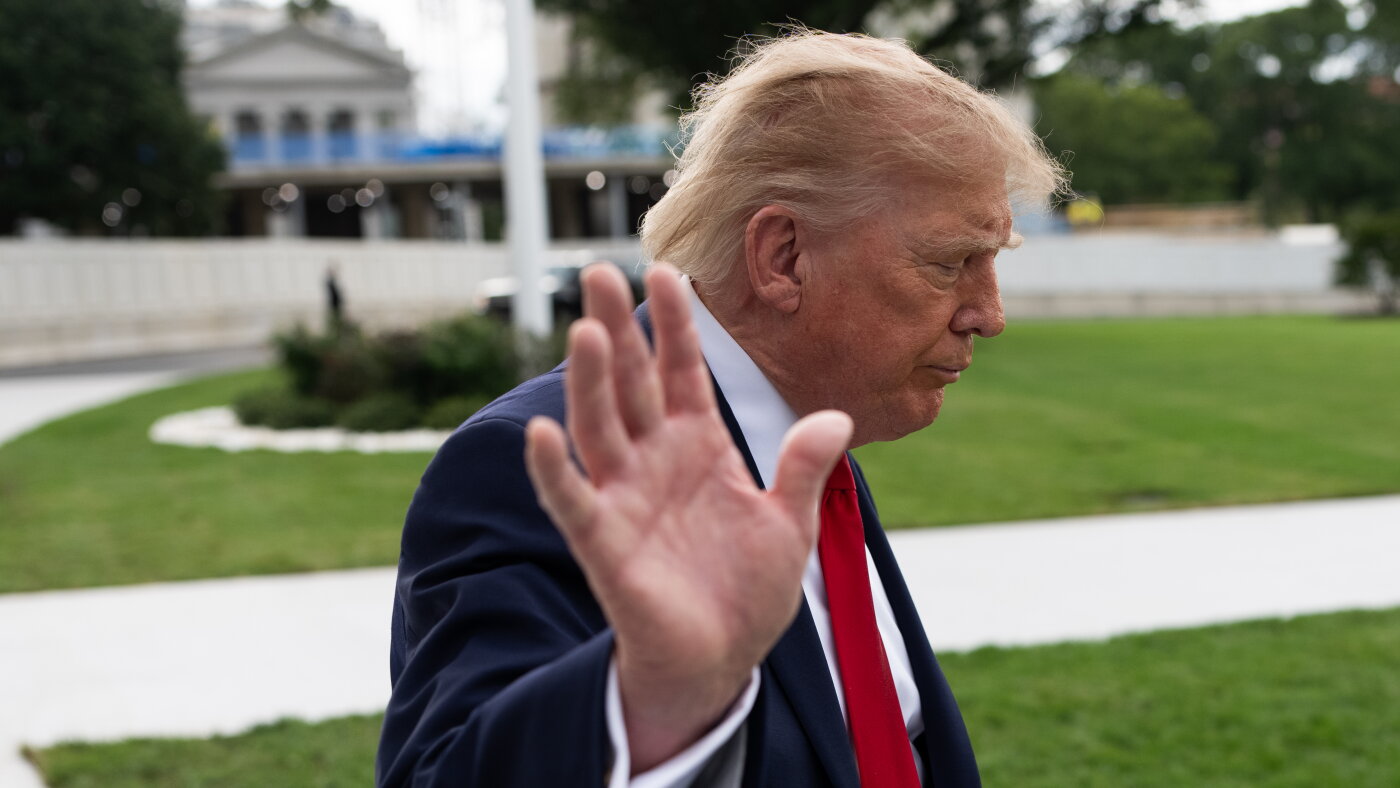
President Trump recently rebuffed an Iranian proposal aimed at reopening the strategically vital Strait of Hormuz. As he spoke to reporters before departing from the White House, Trump labelled the agreement “unacceptable,” leaving many curious about the specific elements that led to his dismissal.
Details of the Iranian Proposal
The Iranian government had proposed a plan that included not just the reopening of the strait but also a recommencement of diplomatic talks between the U.S. and Iran during the United Nations General Assembly meetings in New York. Iranian Foreign Minister Abbas Araghchi explained that Iran communicated a “concrete seven-day plan” for reopening the strait through intermediaries in Qatar. This plan became necessary following the strait’s closure, which the Iranian regime enacted after the U.S. and Israel conducted military operations targeting their interests earlier this year.
Araghchi noted that if conditions align, normal maritime navigation could resume within a week. He emphasized that “the choice now rests with the United States,” implying that Tehran is willing to negotiate but expects reciprocation.
Historic Context
This recent proposal mirrors an earlier “memorandum of understanding” (MoU) between the two nations that sought a temporary cessation of hostilities and the resumption of ceasefire discussions. Under the prior agreement, the U.S. had relaxed sanctions, allowing Iran to access frozen assets while Iran committed to not pursue nuclear weapons and agreed to reopen the Strait of Hormuz. However, internal disagreements regarding the vague language in the MoU led to its collapse, reigniting tensions between the two factions shortly thereafter.
Araghchi reiterated that the U.S. must take actions already outlined in the MoU, suggesting that there should be no significant barriers preventing this plan from being implemented. He stressed that such measures are foundational commitments of the United States, indicating that Tehran views the onus on the U.S. to act.
Iran’s Stance on U.S. Relations
In a pre-recorded CBS interview, Iranian President Masoud Pezeshkian echoed calls for cooperation. He argued that Iran has upheld its commitments and urged the U.S. to demonstrate a lack of intent to destabilize the Iranian government. “If the United States agrees to proceed in that way, everything will return to the way it was before,” Pezeshkian stated, highlighting the stalemate that exists due to actions taken by both nations.
Pezeshkian was clear that if the U.S. agrees to the Iranian proposal regarding the Strait of Hormuz and nuclear discussions, Iran would permit United Nations nuclear inspectors into the country. His statements reveal a readiness on Iran’s part to engage in diplomatic dialogue, provided that the U.S. demonstrates sincerity in its approach.
The situation remains fluid, with both sides maintaining firm positions but also hinting at the possibility of negotiation. With such a critical component of global oil trade at stake, the actions of both the U.S. and Iran in the coming days will be pivotal. The world watches closely to see if either side will make a significant move toward resolution.