
The Tragic Collision of U.S. Air Force Tankers Over Iraq
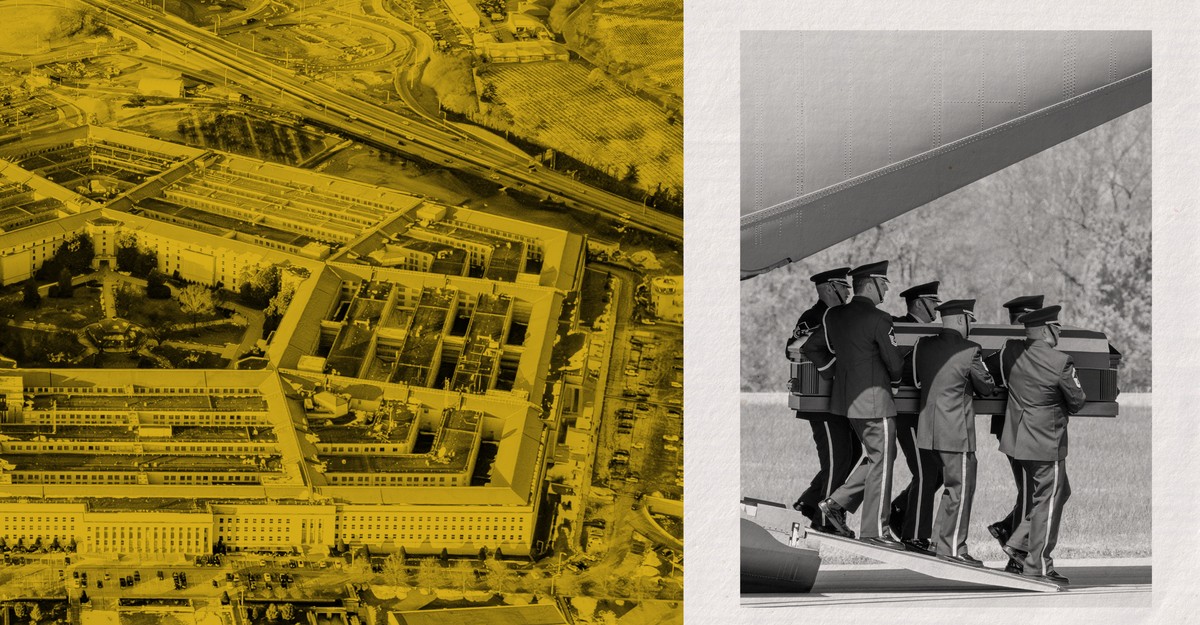
On March 12, U.S. Air Force refueling tankers faced a catastrophic incident while supporting military operations associated with the ongoing conflict against Iran. The KC-135 Stratotankers, designed to carry substantial quantities of fuel, encountered a tragic mishap in a crowded airspace over Iraq. The collision resulted in the loss of six service members, exacerbating the already tense atmosphere surrounding U.S. military involvement in the region.
Conflicting Accounts and Investigations
Initial reports indicated that anti-aircraft fire from Iranian-backed militias could have influenced the collision, suggesting that the pilots took evasive maneuvers. However, U.S. Central Command (Centcom) asserted that no hostile actions led to the crash, describing it as an “avoidable mishap.” This narrative aligns with a trend seen during the Trump administration, where significant details about wartime actions were often omitted in public discourse. While the loss of life remains a serious concern, the varying accounts illustrate the chaotic nature of the battlefield and the complex factors surrounding U.S.-Iran relations.
The Perils of Proxy Warfare
Iranian-backed militias in Iraq continue to pose a considerable threat to U.S. and allied forces, impacting operations and military strategy. Since the onset of the conflict, these groups have launched numerous missile and drone attacks against American installations in Iraq. Their capabilities include advanced weaponry, enabling them to threaten U.S. assets significantly. U.S. authorities have expressed concern over the growing power and sophistication of these militias, highlighting the ongoing security challenges even after two decades of U.S. military presence in Iraq.
The Tough Road Ahead
As discussions about U.S. military strategy unfold, the situation remains precarious. The United States finds itself in a strategic dilemma that involves maintaining a balance between addressing the threats posed by Iranian proxies and not re-engaging in ground conflicts that could destabilize Iraq further. With the Iraqi government being a crucial partner in U.S. security operations, the complexities of managing local militias become even more pronounced. This scenario underscores the need for an integrated approach to collective security in the region.
Despite the ongoing challenges, U.S. officials remain cautiously optimistic about the potential for renewed diplomatic discussions. The airspace in Iraq, however, remains anything but secure. As the international community continues to scrutinize U.S. military strategies, the focus shifts to how effectively these complex geopolitical issues can be navigated while minimizing further casualties.
The tragic incident on March 12 serves as a stark reminder of the dangers faced by U.S. armed forces in a volatile landscape. As both military and civilian leadership adapt to the evolving situation, the lessons learned from this collision could inform future military strategies in the region. For now, the focus remains on safeguarding personnel and understanding the multifaceted threat posed by Iran and its proxy networks.