
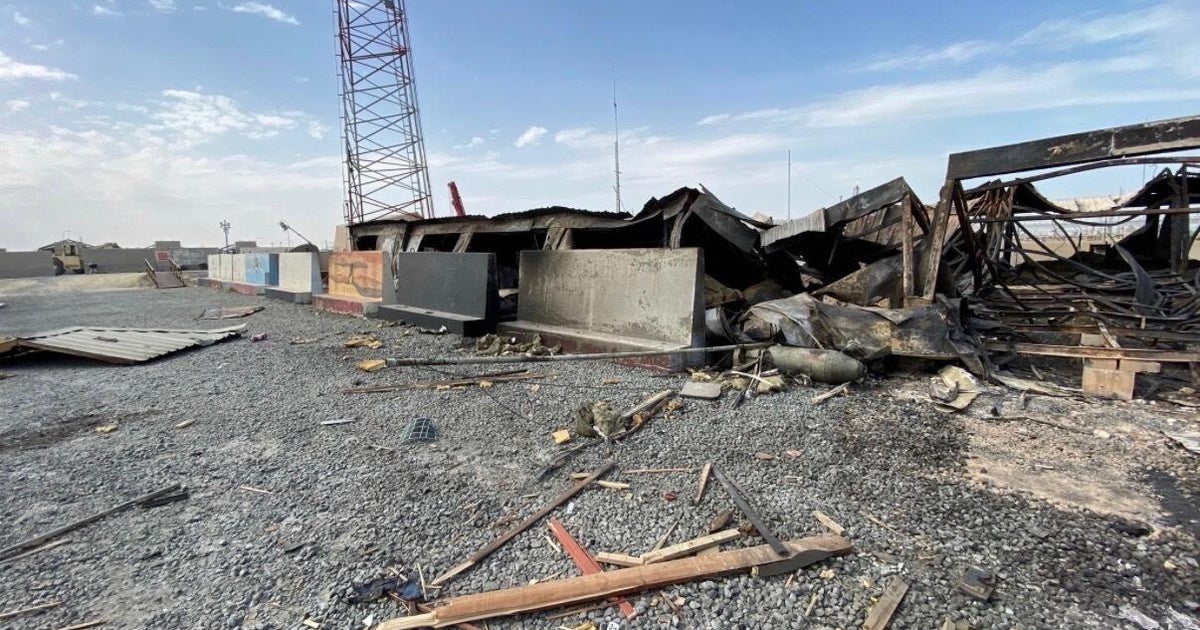
A recent incident involving U.S. Army personnel stationed in Kuwait has raised serious concerns regarding the adequacy of medical support in the face of Iranian aggressions. Survivors of a drone strike that led to multiple fatalities have claimed that their requests for additional medical resources were ignored, which may have contributed to the tragic loss of life. As more details come to light, the effectiveness of the Pentagon’s preparations is being questioned, raising crucial discussions on military readiness.
Requests for Increased Medical Support Ignored
In the weeks leading up to a deadly drone attack by Iran, a U.S. Army unit expressed urgent needs for bolstered medical assistance. Soldiers reported that the necessary resources and personnel were not provided, which may have resulted in the deaths of several service members, including Master Sergeant Nicole Amor. Major Stephen Ramsbottom stated that had more medical staff and equipment been available, those who were injured could have potentially survived. He emphasized that Amor was conscious and fighting for her life, underscoring the tragic reality of the situation.
Survivors shared that when they anticipated reinforcements, they were shocked to find that no additional medical support arrived. Ramsbottom vividly recounted his frustration as he awaited ambulances that never came, highlighting the dire circumstances under which they operated. Reports indicate a chaotic aftermath, with soldiers scrambling to transport their wounded colleagues to local medical facilities in civilian vehicles due to the absence of military ambulances.
Allegations of Inadequate Planning
Further testimonies from soldiers, including Master Sergeant Ann Marie Carrier, raise alarms about the Army’s lack of preparedness for a mass casualty event. Carrier noted that there were no rehearsals or contingency plans in place for such an event. The inability to adequately address the medical needs of the injured soldiers after the attack exposed significant gaps in the operational framework.
The Pentagon’s assertion that extraordinary measures were taken to safeguard U.S. forces has been met with skepticism by many survivors. Defense Secretary Pete Hegseth characterized the Iranian drone as a “squirter,” implying that it slipped through defenses, but several soldiers challenged this narrative. Ramsbottom argued that their command post was not adequately fortified against aerial threats, primarily relying on tin structures for protection.
Lessons Learned and Moving Forward
The aftermath of the drone strike has forced a critical reevaluation of military protocols regarding medical readiness in conflict zones. The broader implications suggest that without proper training and resources, the risk to soldiers increases significantly. Both Ramsbottom and Carrier emphasized the importance of addressing these deficiencies to prevent similar tragedies in the future. Their stories serve as cautionary tales; if the Pentagon can learn from this incident, more lives may be saved in the event of future engagements.
The investigation into the attack continues, and attention must be paid to the voices of those directly affected, especially the families of the deceased. As the Army revisits its strategies for handling such incidents, the emphasis should be placed on enhancing medical readiness and ensuring that soldiers are adequately protected. Events like these reveal the often unforeseen consequences of military operations, reiterating the necessity for constant vigilance and preparedness in safeguarding the lives of those who serve.