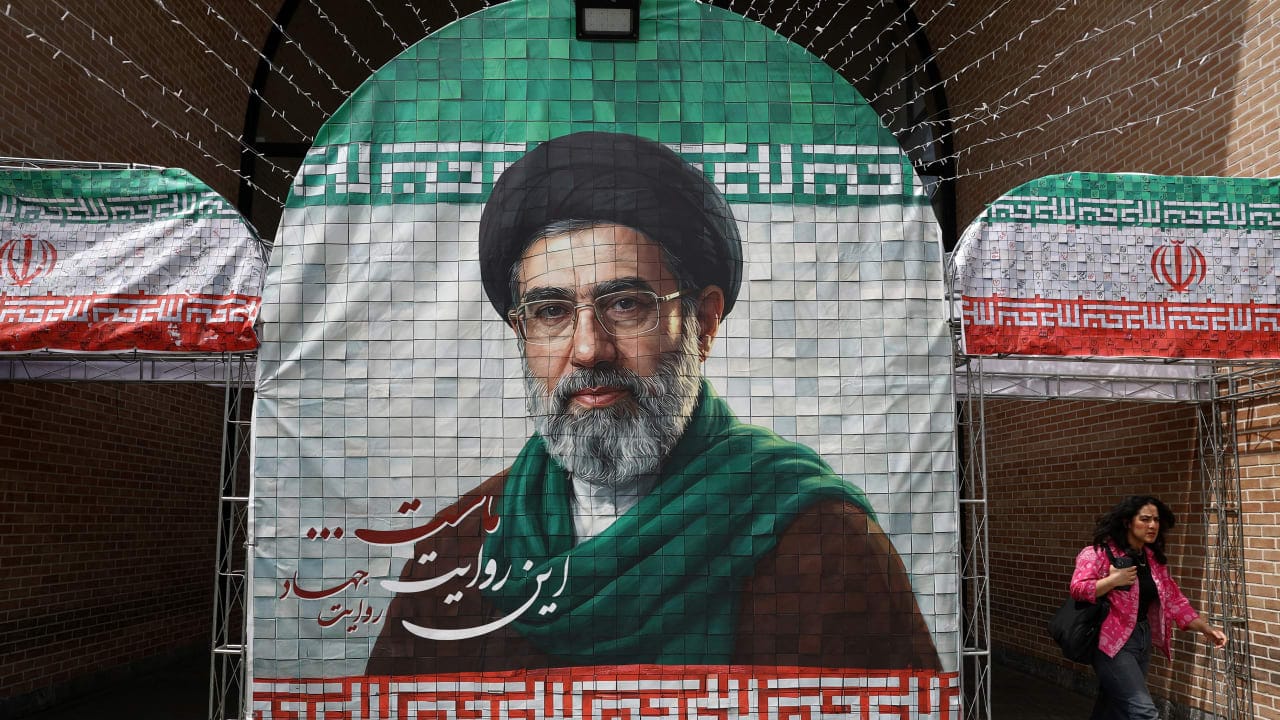
Iran’s Supreme Leader, Mojtaba Khamenei, was reportedly rescued from the wreckage of a hospital in Tehran during the initial days of the ongoing conflict involving Israel and the United States, as shared by Ayatollah Mohsen Heidari Alekasir in an interview with the Qatari-owned media outlet Al Araby. This revelation has raised questions regarding Khamenei’s condition and his role in the current conflict.
Injuries Prior to the Conflict
Ayatollah Heidari indicated that Khamenei was injured before the war erupted, although he did not provide specific details about the severity of these injuries. The nature of Khamenei’s injuries has become a focal point for political speculation, especially given the ongoing tensions in the region. Understanding the health and stability of leadership figures such as Khamenei could have significant implications for Iran’s political landscape and its military actions.
No Direct Succession Plan
In the same interview, Heidari dismissed claims suggesting that Khamenei’s father, the former Supreme Leader Ali Khamenei, appointed him as his successor. He emphasized that Mojtaba Khamenei’s rise to prominence was not linked to his father’s influence. This statement seeks to clarify any misconceptions regarding the lineage-based transition of power in Iran and assert that Khamenei’s ascendancy is independent of his father’s legacy.
A Shadowy Advisor Role
Throughout Ali Khamenei’s leadership, Mojtaba Khamenei did not hold an official political position, according to Heidari. Instead, he has been described as a “shadow man” who provided guidance and handled affairs when his father was occupied. This framing paints Mojtaba Khamenei as a figure who operates behind the scenes rather than as a prominent leader in public view. His role as an adviser, often stepping in when necessary, further emphasizes the complexities surrounding leadership dynamics in Iran.
Communication Strategy Amidst Conflict
Heidari highlighted the ongoing preference for private, low-profile interactions over large public gatherings, particularly under the current conditions of strife. He suggested that it is in the leaders’ interest to maintain discretion in their communications to minimize the risk of exposure to external threats. This approach not only underscores the precarious environment the Iranian leadership operates within but also reflects broader strategies employed by nations engaged in conflict, where secrecy often becomes an essential tool for political survival.
These insights into the health and political positioning of Mojtaba Khamenei present a clearer picture of the leadership landscape in Iran amid ongoing tensions. As the situation evolves, analysts and observers will undoubtedly keep a close eye on both his health and actions, recognizing their potential impact on regional stability and Iran’s response to international challenges.