
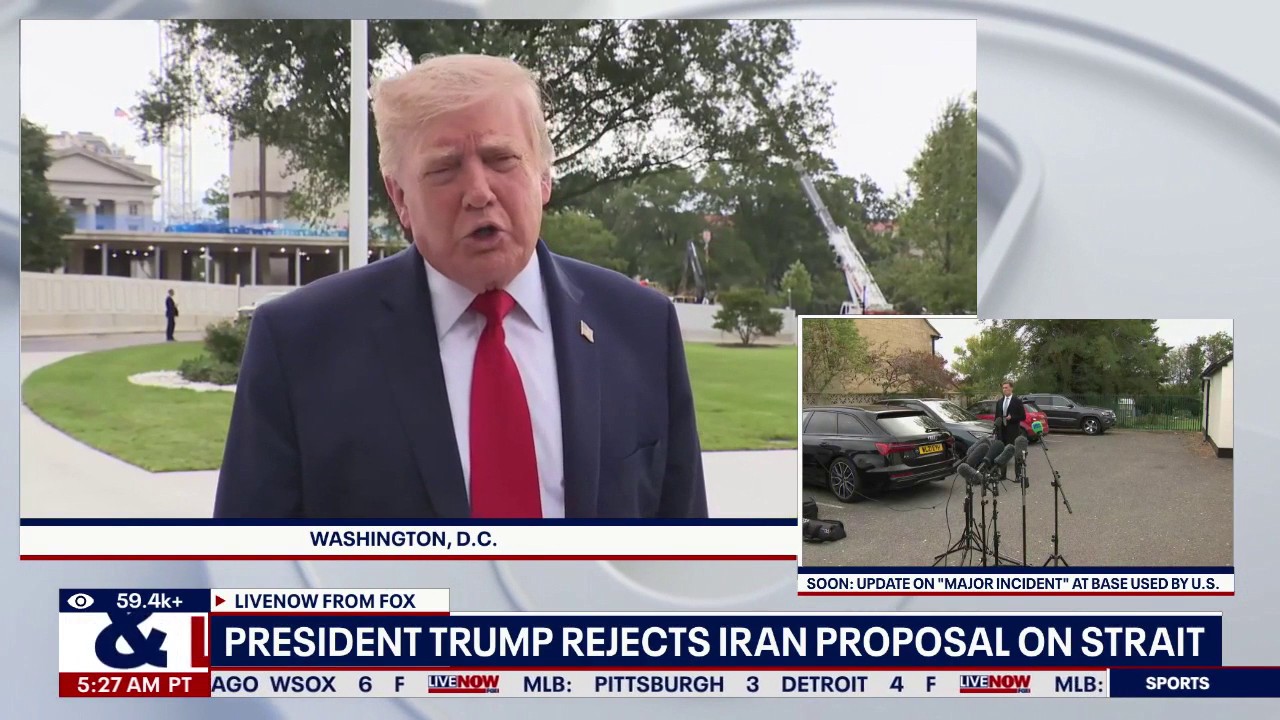
President Trump’s recent press conference has ignited discussions regarding the ongoing tensions with Iran. During the session, he firmly rejected Iran’s offer for a ceasefire, highlighting the complexities of international diplomacy.
Trump’s Position on Iran
In a significant statement, President Trump made it clear that he does not support the ceasefire proposed by Iran. This position underscores the United States’ ongoing commitment to a tougher stance against Iranian actions that challenge stability in the region. The president emphasized that negotiations with Iran must occur under different terms, indicating that the U.S. will not easily back down or compromise under pressure.
Implications of Rejecting the Ceasefire
The decision to reject Iran’s ceasefire proposal carries substantial foreign policy implications. It reflects the U.S. administration’s broader strategy of exerting pressure on Tehran, aiming to reshape its behavior on the international stage. By turning down the ceasefire, Trump suggests that Iran’s recent activities, which include escalating military tensions, require a firm response rather than diplomatic leniency. Such a stance may influence U.S. relations with its allies, who have varying perspectives on how to best address Iranian aggressions.
Reactions from the International Community
The international community’s response to President Trump’s announcement is expected to be varied. Some countries may support the U.S.’s hardline approach, recognizing Iran’s actions as destabilizing. Others, however, might advocate for more diplomatic engagement, cautioning that a strict stance could lead to escalating tensions. Observers are keenly watching how this situation unfolds, as the potential for conflict could have widespread repercussions not just in the Middle East, but globally.
Future of U.S.-Iran Relations
As the U.S. continues to reject proposals for diplomatic resolutions, the future of U.S.-Iran relations remains uncertain. Experts suggest that this might lead to a prolonged period of heightened tensions. The dynamics are complex, with various geopolitical interests at play. The administration’s policy choices will be critical in determining whether the situation escalates into more serious confrontations or if there can be a pathway to negotiation in the future.
In conclusion, President Trump’s firm rejection of Iran’s ceasefire proposal signals a decisive approach to U.S. foreign policy. The implications of this stance and the reactions from both allies and adversaries will have lasting effects on international relations and regional stability. As tensions rise, all eyes will be on Washington and Tehran to see how this intricate chess match unfolds.