
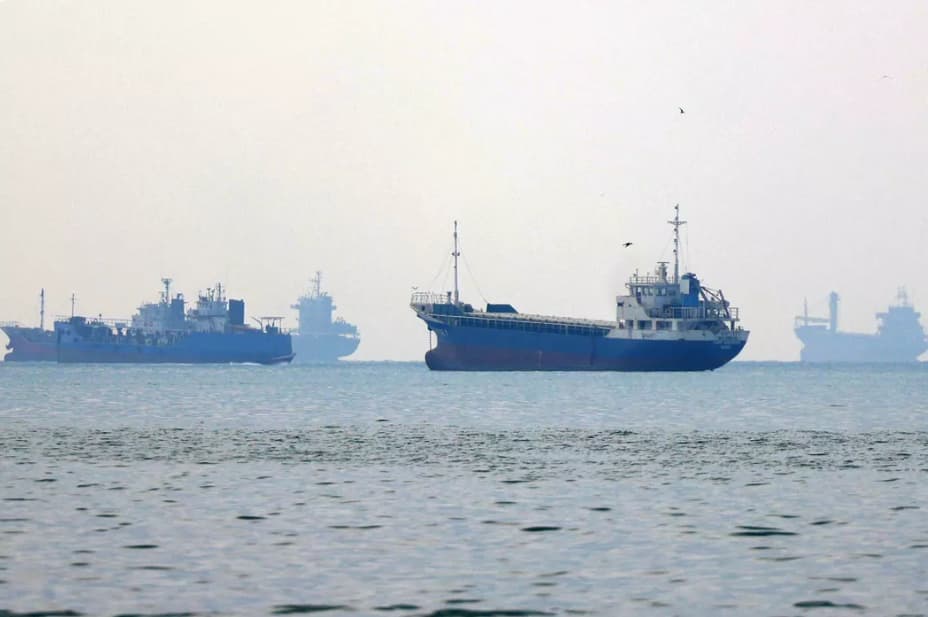
Erbil, located in the Kurdistan Region of Iraq, is currently navigating its oil market challenges as it continues to sell crude oil at discounts ranging from 10% to 20%. This comes at a time when daily exports are recovering, reaching approximately 3 million barrels. However, significant hurdles remain, including rising shipping costs and heightened security risks in the strategic Strait of Hormuz, which is crucial for oil transport.
Discounts Driven by Security Risks
The discounts applied to Iraqi crude oil sales vary based on the purchasing entity. According to Uday Awad, the head of the federal parliamentary finance committee, these price reductions serve as a form of compensation for the security issues buyers may face while transporting oil through vulnerable regions like the Strait of Hormuz. Awad estimates that Iraq is now exporting around 3 million barrels daily, citing this volume as a strong recovery, close to levels recorded before recent conflicts disrupted shipping routes.
Previous estimates indicated that Iraq’s exports had reached around 3.4 million barrels per day back in February, prior to disruptions caused by escalating tensions and conflicts in the region. With most of Iraq’s crude passing through these bottleneck areas, the consequences of any disruption can severely impact export volumes, necessitating the exploration of alternative routes and arrangements.
Challenges in Shipping Costs
Shipping expenses have surged significantly alongside the concerns over security. Reports from the Financial Times reveal a dramatic increase in the cost of hiring very large crude carriers (VLCCs), with rates exceeding $1.2 million per day for Middle East-to-Asia routes. This stark contrast to previous rates, which typically hovered between $20,000 and $50,000 per day in recent years, illustrates the impact of current geopolitical factors on oil transportation costs.
Initiatives by the Iraqi government to diversify export routes are ongoing, reinforcing Prime Minister Ali al-Zaidi’s stance that Iraq cannot continue to rely on a single export corridor. This diversification is critical for ensuring stable revenue flows and maintaining the nation’s economic health amid external pressures.
Stable Revenues and Economic Implications
Despite current challenges, the Iraqi government has managed to maintain salary payments, with Awad confirming that oil revenue is continuing to generate sufficient funds for these obligations. He stated that as long as oil revenues flow steadily, employee salaries remain protected, safeguarding the livelihoods of many in the country. Furthermore, government spokesperson Haider al-Aboudi revealed an agreement with the United States to continue receiving cash shipments, which is essential for managing Iraq’s dollar accounts at the Federal Reserve Bank of New York.
Amid these developments, Iraq’s dinar has exhibited fluctuations against the U.S. dollar due to mounting economic pressures. The exchange rate has seen a partial strengthening, moving from about 1,590 dinars to the dollar recently to approximately 1,550 in Erbil, providing some relief amid challenging market conditions.
Navigating these ongoing oil market complexities will be critical for Iraq’s economic sustainability and the well-being of its citizens, particularly as the geopolitical landscape continues to shift. As Iraq seeks to stabilize its economy, the focus will likely remain on ensuring robust export practices while addressing the logistical and security challenges in oil transportation.