
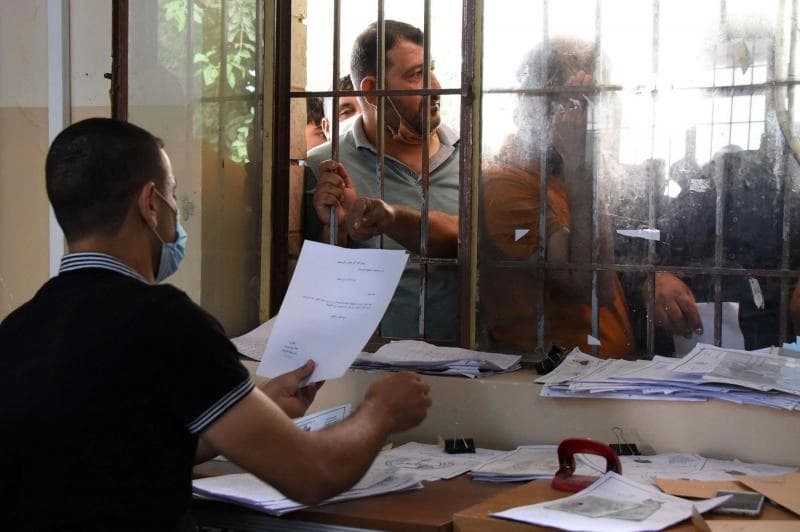
Erbil in the Kurdistan Region of Iraq has recently formed a second central committee aimed at accelerating the processing of compensation claims from individuals impacted by warfare, terrorism, and military mistakes. This initiative, as stated by a government spokesperson, aims to tackle significant delays caused primarily by funding shortages, security checks, and potential fraud issues.
Formation of the New Committee
According to Haider Majid, spokesperson for the General Secretariat of the Council of Ministers, the establishment of this additional committee is a direct response to the growing backlog of claims. He emphasized that the creation of two central committees is intended to enhance efficiency and expedite the settlement of compensation applications, which have been under scrutiny for processing delays.
The newly formed committee is chaired by a judge from the Supreme Judicial Council and consists of representatives from various ministries, including the Ministry of Interior and security agencies. This diverse composition is designed to improve oversight and accountability, with sub-committees also functioning in each province to facilitate local processing of claims.
Challenges in the Compensation Process
The compensation claims in Iraq surged following the conflict against the Islamic State (ISIS) from 2014 to 2017, which led to widespread destruction and displacement. Millions of families had their homes and businesses damaged or destroyed, resulting in an overwhelming number of applications for compensation. As Majid noted, significant delays in processing these claims arise from inadequate funding in the state budget for compensation, comprehensive security vetting, and incomplete information from claimants.
Applications lacking necessary details are returned to provincial authorities for completion, further extending the timeframe for claims to be processed. This not only contributes to a backlog but also raises concerns among those seeking assistance.
Fraud Prevention Efforts
In an effort to curb potential fraud, the compensation committees have been vigilant in detecting forged applications. Many cases have surfaced involving individuals deemed ineligible for compensation, including those identified as “terrorists.” The central and provincial committees have worked diligently to identify fraudulent paperwork, reflecting a serious commitment to integrity within the compensation system.
Abdul Ilah al-Naeli, head of Iraq’s Martyrs Foundation, reiterated the foundation’s ongoing effort to battle fraud and oversee compensation distribution. Acknowledging the pressure from political and media scrutiny, Naeli emphasized the need for thorough audits despite challenges.
Funding Issues Persist
Although the foundation is dedicated to ensuring that eligible families receive their rightful financial support, limited budget allocations have hampered its effectiveness. Official figures reveal that the foundation received only 50% of its allocated budget in 2023 and forecasts suggest even lower percentages for subsequent years. The ongoing audits conducted by the foundation aim to refine the compensation process while addressing irregularities that could stem from mismanagement in provincial sub-committees.
To bolster support for the families of martyrs, Naeli proposed the establishment of an investment fund. This initiative aims to alleviate financial pressure on the foundation by reducing its dependence on state budget allocations, thereby enhancing overall support for those impacted by the conflict.
In summary, the establishment of the second central committee in Erbil represents a critical step towards addressing compensation delays in the Kurdistan Region. Despite facing challenges like insufficient funding and fraud, the commitment to reform and improve the compensation process remains strong, aiming for a more efficient and fair resolution for the victims of conflict in Iraq.