
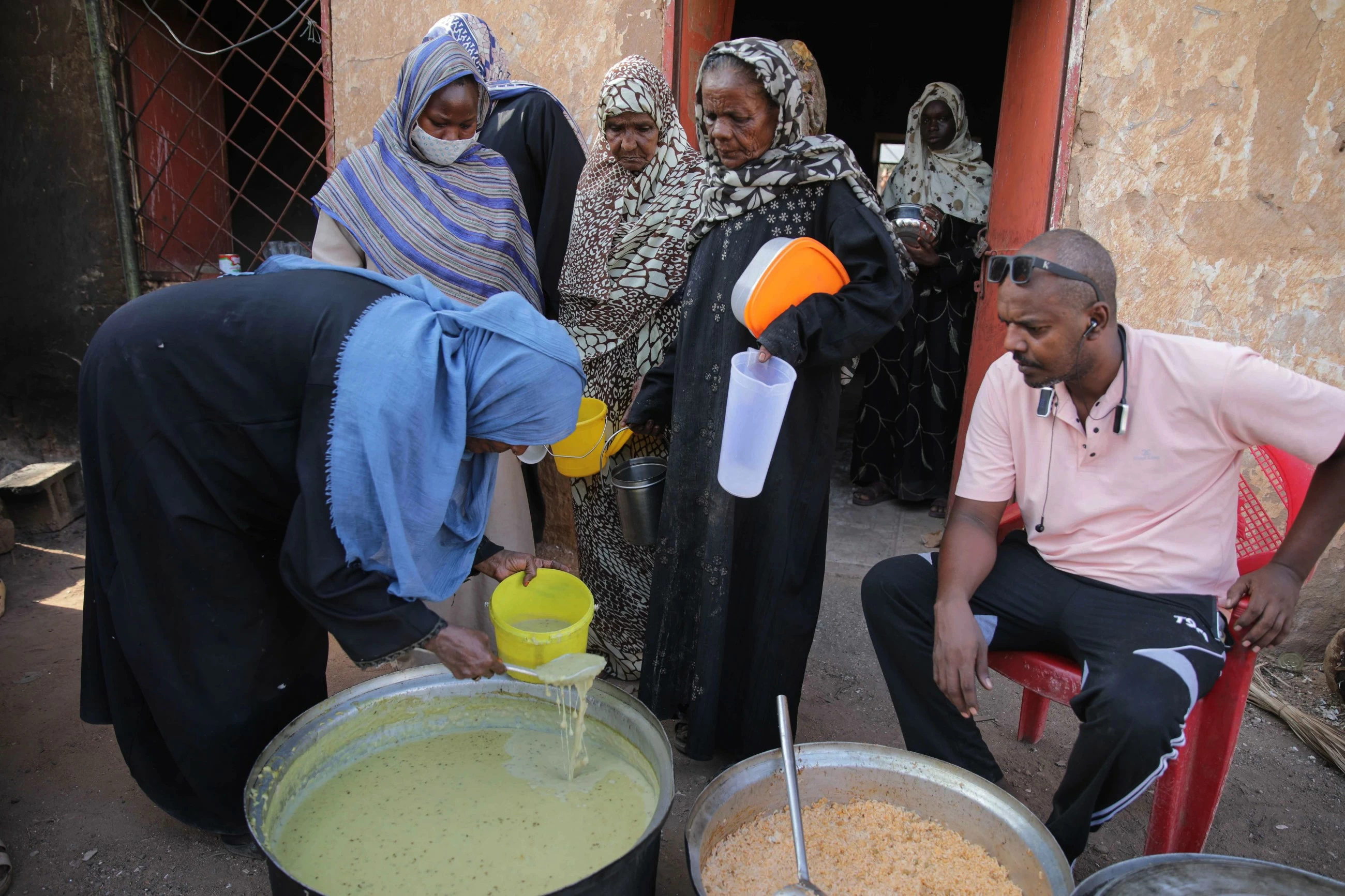
In the heart of Sudan, families are returning to their war-torn cities with hopes of rebuilding their lives. However, they face an uphill battle marked by a persistent lack of essential resources such as power, water, employment opportunities, and medical supplies. This article delves into the struggles faced by the Sudanese people and highlights their resilience amid adversity.
Challenges in Rebuilding Amidst Scarcity
After years of upheaval and conflict, the residents of Sudan are striving to pick up the pieces of their shattered lives. The once lively streets now resonate with the echoes of despair, as essential services remain severely compromised. The scarcity of electricity has led to long hours of darkness, affecting not only daily routines but also crucial sectors like healthcare and education. Without reliable power, businesses falter, and opportunities for employment dwindle, leaving many families in a precarious state.
Moreover, water—a life-sustaining resource—has become alarmingly scarce. Many communities lack access to clean and safe drinking water, leading to the spread of disease and suffering. With limited resources for sanitation, the health risks faced by the populace have increased exponentially. Residents often find themselves traveling long distances to fetch water, which further drains their already limited energy and time, making recovery all the more challenging.
The Fight for Employment and Economic Stability
Another significant hurdle is the struggle for employment. The war has decimated local economies, causing business closures and mass unemployment. Those who do manage to find work often receive meager wages that are not sufficient to cover basic needs. As a result, many families are forced into dire circumstances, relying on aid from humanitarian organizations or struggling through bartering and informal work.
This dire economic landscape creates a cycle of poverty that is difficult to escape. Without a robust job market, young people—many of whom are eager to contribute to their families and communities—find limited avenues for growth. The potential for youth to engage in constructive activities is dwindling, leading to an increased risk of despair and disillusionment among future generations.
The Quest for Medical Care and Well-being
Furthermore, the healthcare system is in dire need of attention. With facilities damaged or destroyed during the conflict, access to essential medical services is severely restricted. Hospitals struggle with inadequate supplies, lack of trained personnel, and insufficient infrastructure. Patients often go without necessary treatments, leading to preventable illnesses and compromised health.
For families navigating this treacherous landscape, the absence of adequate medical care compounds their struggles. Many residents report being afraid to seek treatment due to the overwhelming costs and the fear of unresponsive services. This has resulted in a community that must cope not only with physical ailments but also with the mental strain of their circumstances.
Hope Amidst the Challenges
Despite these overwhelming challenges, the resilience of the Sudanese people shines through. Community organizations and grassroots movements are emerging to foster cooperation among residents, empowering them to take charge of their recovery efforts. Local leaders are advocating for improved access to resources and working tirelessly to establish connections with humanitarian organizations.
While the road to recovery remains long and arduous, the desire for a better future is palpable. The people of Sudan are determined to rise from the ashes of conflict, establishing a robust support system while seeking aid and relief. With continued effort and the global community’s support, it is possible for Sudan to transform its narrative—from one of loss and despair to one of renewal and hope.