
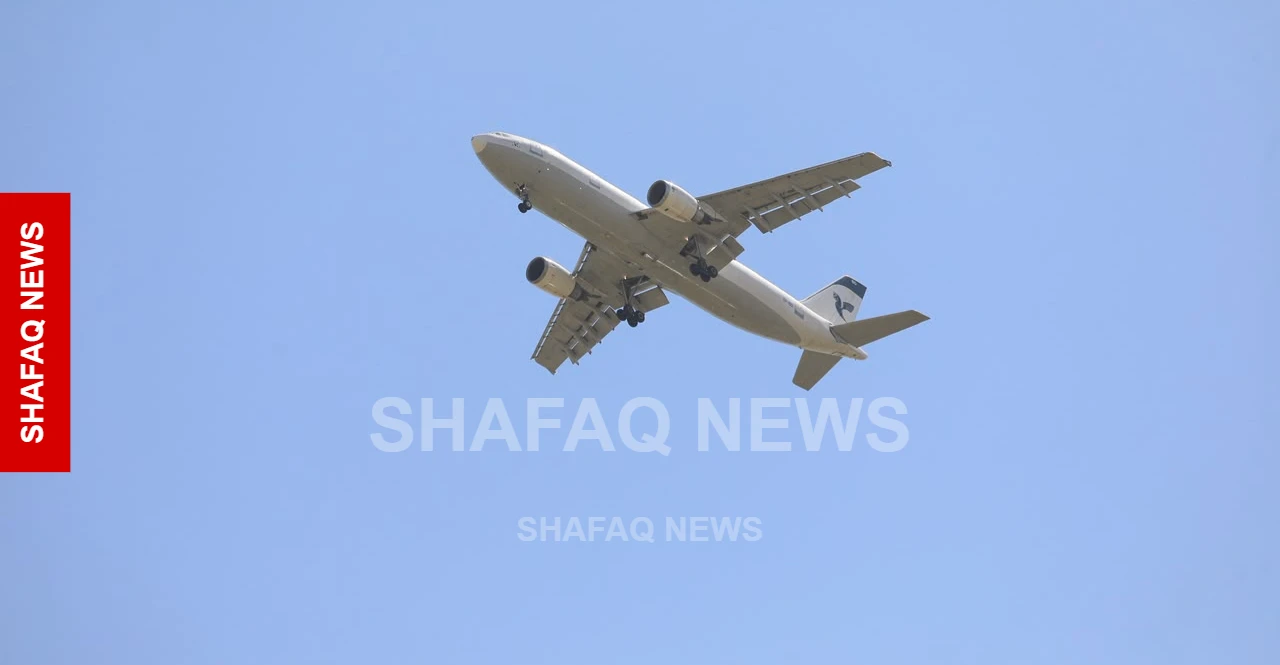
Baghdad is currently engaged in talks with Washington, seeking exemptions from U.S. sanctions to facilitate the resumption of civilian flights to Iran. This development comes as Iran pressures Iraq for the lifting of restrictions while Iraqi airports are advised against servicing Iranian airlines that are subject to sanctions.
The Impact of U.S. Sanctions on Air Travel
Political analyst Saeed Shaverdi highlighted that Tehran anticipates neighboring nations, particularly Iraq, to resist compliance with unilateral U.S. sanctions. Instead, Baghdad is encouraged to clarify the dynamics of its relationship with Iran to the United States, rather than fully implementing the sanctions. The restrictions on air travel impact not only business exchanges but also Iraqi students studying in Iran, religious visitors journeying to significant sites in Qom and Mashhad, as well as patients requiring medical treatment.
According to Iranian Ambassador to Iraq, Mohammad Kazem Al-e Sadeq, discussions with Baghdad about restoration of flights are ongoing. Al-e Sadeq revealed that about 12,000 to 13,000 travelers typically fly between the two countries daily, indicating a robust demand for these routes. Meanwhile, Iranian pilgrims continue to make their way to Iraq via land crossings, with officials confirming that they can opt for alternate ground travel if their air bookings are affected.
Negotiations and Future Prospects
The recent U.S. sanctions imposed on September 8 targeted 36 Iran-related aviation entities, including 27 airlines. This led to cautionary advisories to foreign firms that provide services to these airlines, warning them of potential penalties. On September 27, an unnamed senior Iraqi government source disclosed that the U.S. had formally warned Baghdad of possible sanctions against Iraqi airports and companies servicing these Iranian airlines. The Iraqi government is engaged in direct discussions with Washington to seek exemptions for specific airports, aiming to restore flights for medical care, education, religious events, and other civilian travels.
Members of the Najaf Provincial Council, including Taif Al-Hatami, have stated that no exemption decision has been made regarding Najaf International Airport. Officials had been actively advocating for the alleviation of restrictions, yet no specific timeline has been established for restoring services. However, an exception was noted when a VIP flight carrying six Iraqi passengers was cleared to land at Baghdad International Airport; no additional exemptions have been announced as of yet.
Domestic Political Reactions and Coordination Efforts
Effective coordination with Washington is seen as essential for shielding Iraqi airports and aviation services from the risks associated with sanctions. Iraqi political expert Mujashaa Al-Tamimi emphasized that negotiations with Iran are critical to ensure that Iraq does not become a battleground for conflicts related to these sanctions. The Shiite Coordination Framework, which represents the largest parliamentary bloc, is anticipated to meet with Prime Minister Ali Al-Zaidi to deliberate on the situation and its impacts on domestic politics.
Factions aligned with Iran within Iraq have expressed their opposition to these sanctions. Harakat Al-Nujaba has even threatened to stage sit-ins at airports should flights not resume, while Kataib Hezbollah has advocated for enhanced trade relations with Iran in retaliation against U.S. pressure.
Moving forward, the dialogue between Baghdad and Washington, paired with negotiations with Tehran, will be crucial for navigating this complex geopolitical landscape and mitigating the disruptions caused by the sanctions on air travel between Iraq and Iran.