
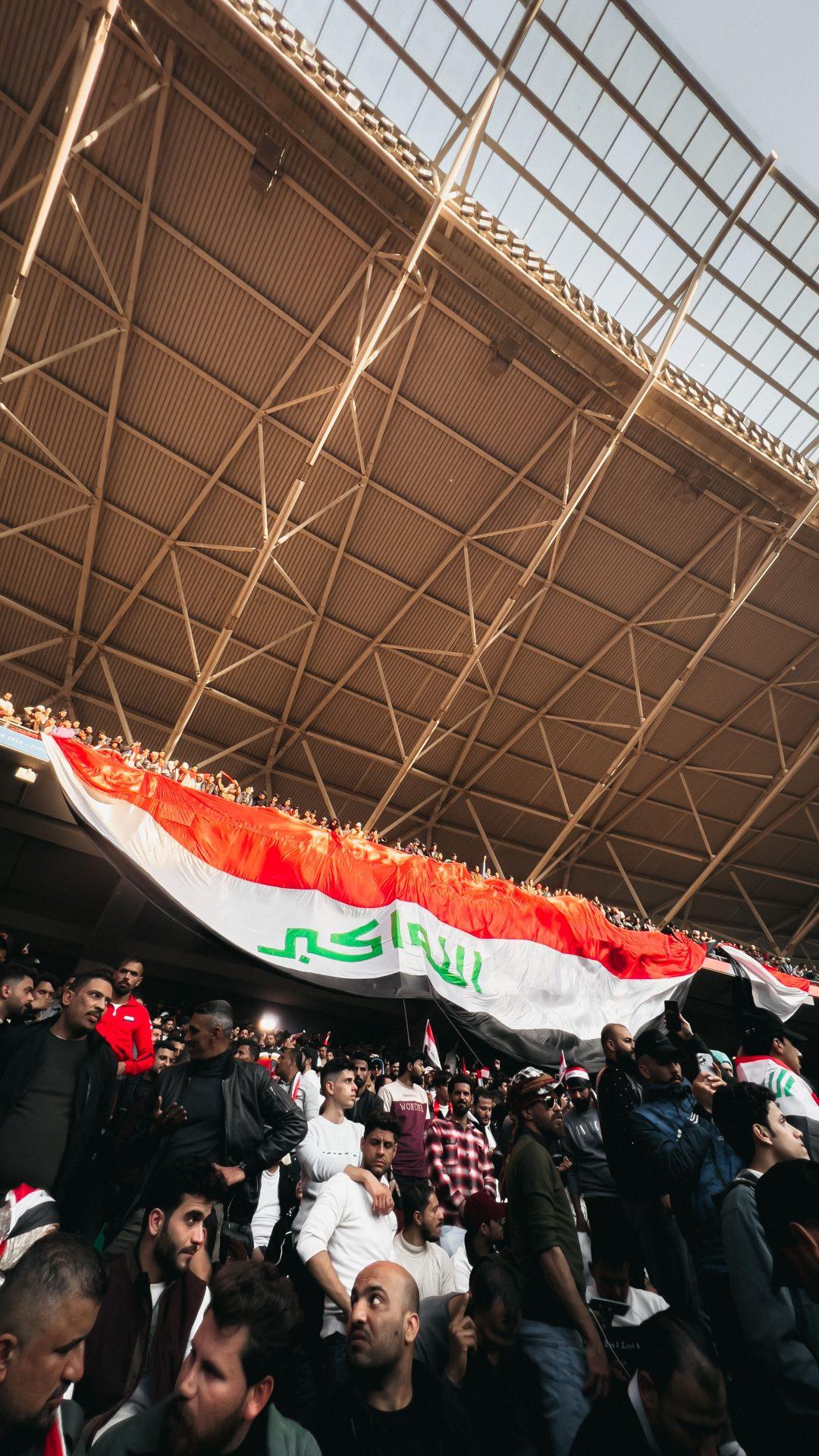
Iraq’s Bid for the 28th Arabian Gulf Cup Faces New Challenges
Iraq’s ambition to host the 28th Arabian Gulf Cup is beginning to face new challenges as both Bahrain and Oman contemplate entering the bidding process. Currently, Baghdad is the only nation that has officially submitted a proposal to host the tournament, raising concerns about the future of the event’s location.
Recent Developments in the Bidding Process
As reported by GOAL and cited by Asharq Al-Awsat, the executive office of the Arabian Gulf Cup Football Federation is scheduled to meet in Jeddah on Monday, coinciding with the ongoing Gulf 27 tournament. One of the key topics expected to dominate the discussions is the hosting bid for the upcoming Gulf 28. While Iraq’s bid is affirmed by Basra Governor Asaad Al-Eidani, competition may be looming as Bahrain and Oman weigh their options to join the fray.
Iraq previously hosted a successful edition of the Gulf Cup in Basra in 2023, offering the country valuable experience in organizing such a high-profile tournament. The city of Basra is envisioned as the main venue for the 2028 edition, showcasing its capabilities and dedication to sports.
Bahrain and Oman’s Potential Bids Complicate Matters
Though Bahrain and Oman had not submitted formal bids at the time of the report, their potential entry could significantly complicate Iraq’s undertaking to secure the tournament again. Increased competition may make it harder for Iraq to build on the momentum from the successful Gulf Cup held just a year earlier.
The Arabian Gulf Football Federation is reportedly considering the option of reinstating a rotational hosting system, which would allow the tournament to be held in different Gulf countries over time. This could mean an end to exclusive bids, shifting the focus to a more collaborative approach to hosting the tournament.
Advantages of a Rotational Hosting System
Proponents of this rotational system argue that distributing the hosting responsibilities can foster investment in sports infrastructure across the region. By allowing various cities to host the tournament, it presents opportunities for local economies to thrive through increased tourism and ancillary activities. This system could also offer a safety net, enabling another host country to step in if the scheduled host faces any logistical challenges.
For Iraq, however, the possibility of returning to a rotational model, coupled with emerging contenders for the bid, poses a risk to its plans for further developing Basra’s capabilities as a tournament venue. Despite currently being the sole official bid, the ultimate decision will hinge on the federation’s discussions and any new proposals put forward before the final selection process concludes.
In the upcoming meeting in Jeddah, the federation is expected to provide clarity on hosting arrangements, which may determine Iraq’s prospects for hosting the Gulf Cup once more, or whether the prestigious tournament will shift to a different location. The outcome of these discussions could have significant implications for the future of football in the region.