
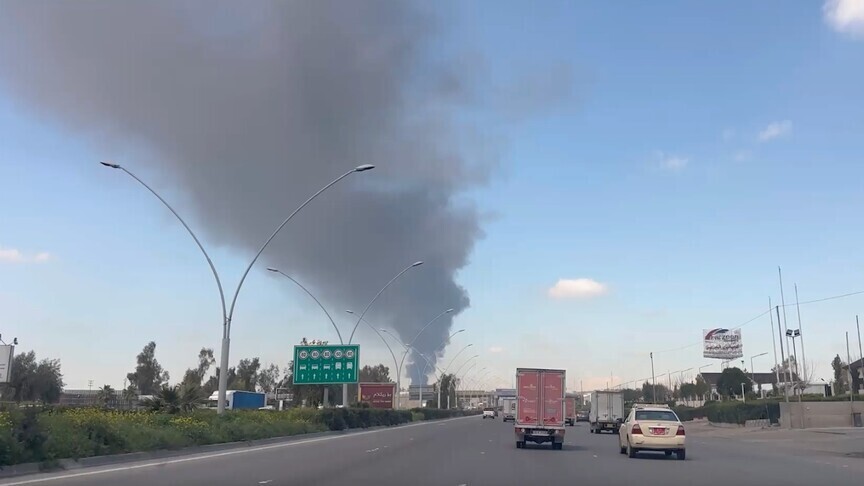
Authorities in Iraq’s Kurdish region recently reported that three drones targeted the Azadi camp, associated with the opposition group Democratic Party of Iranian Kurdistan (PDKI), located in Erbil. This incident raises concerns amid ongoing regional tensions.
Details of the Drone Strike
According to the security agency of the Kurdish Regional Government (KRG), the drone strike occurred at dawn in the Koy Sanjaq district, situated southeast of Erbil city. The local media outlet, Rudaw, highlighted that the drones involved were of Iranian manufacture. Such incidents illustrate not only the fraught political climate in the area but also the sophistication of the weapons being utilized.
The strike resulted in property damage at the camp; however, no casualties were reported. This absence of fatalities may suggest a strategic choice by the attackers to instill fear or demonstrate military capability rather than cause human loss. Still, the implications of such attacks cannot be understated, as they contribute to increasing instability in the region.
Contextual Background
This recent drone strike is not an isolated event. The Azadi camp has been subjected to similar attacks before, most notably in June and April of the same year. These previous strikes coincide with an escalation of tensions in the region, which began following U.S.-Israeli military actions against Iran back in February. This ongoing cycle of violence reflects the broader geopolitical struggles influencing Kurdish areas, where local factions are often caught in the crossfire of international disputes.
As the situation evolves, the motivations behind these drone strikes will warrant closer scrutiny. While the attackers’ identity remains unconfirmed, the use of Iranian-made drones points to a larger narrative involving Iran’s influence in the region and the ongoing conflict between Iranian dissident groups and Tehran’s government.
Implications for Regional Security
The drone attacks signify a troubling trend that not only affects the immediate area but also has potential ramifications for regional security. With the Kurdish region serving as a focal point in this geopolitical struggle, any escalation could lead to more significant instability, affecting not only local populations but also international interests.
The Kurdish Regional Government will face increasing pressure to protect its territory and citizens while navigating complex relationships with various international actors. This situation illustrates the fragile balance of power in the region and the urgent need for diplomatic efforts to mitigate further violence.
In summary, the recent drone strike on the Azadi camp highlights the growing concerns surrounding security in Iraq’s Kurdish region. With a backdrop of repeated attacks and heightened tensions, the situation remains precarious. Stakeholders must remain vigilant to prevent an escalation that could have widespread consequences.