
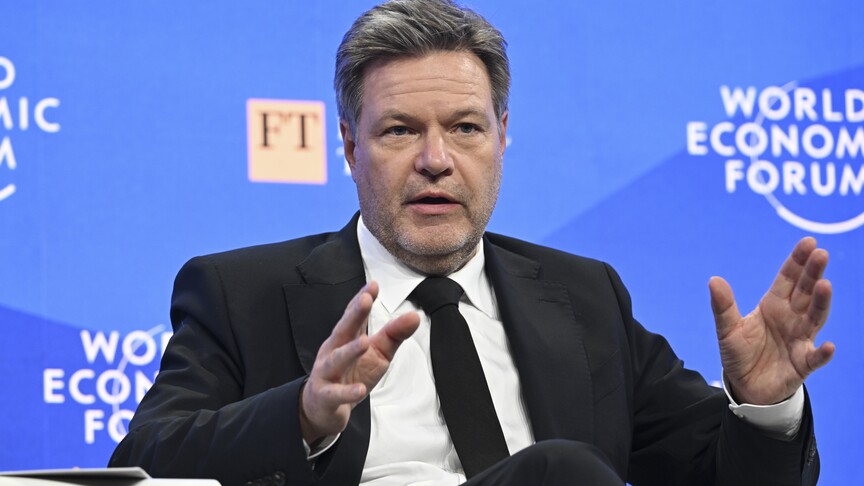
Former German Vice Chancellor Robert Habeck has publicly condemned Israel for alleged war crimes in Gaza, a statement that has sparked significant media attention. Habeck, who served as vice chancellor from 2021 to 2025, made his remarks during an interview with public broadcaster ARD, where he highlighted grave concerns regarding Israel’s military actions.
Accusations of War Crimes
Habeck stated, “I think there is plenty of evidence that war crimes were committed in Gaza.” This assertion aligns with growing international scrutiny of Israel’s operations in the region, particularly given the tragic toll the ongoing conflict has taken on the civilian population. Since October 2023, reports indicate that more than 73,000 people have lost their lives and over 174,000 have been injured, with the destruction of vital infrastructure affecting nearly 90% of Gaza’s civilian resources.
Addressing Antisemitism and Criticism
In his remarks, Habeck urged a clear distinction between condemning antisemitism and critiquing Israel’s government. He asserted that while all forms of antisemitism must be addressed, it shouldn’t prevent open dialogue about Israel’s actions. He expressed concern that calls for accountability might be stifled due to an unspoken societal pressure to avoid criticism of Israel, particularly under the auspices of fighting antisemitism.
Habeck noted that many perceive an increase in antisemitism on the political left as a reaction to Israel’s military operations and related actions in Gaza. “The reason antisemitism is so prevalent on the left right now is because of Israel’s actions and the war crimes it has committed in Gaza!” he stressed, indicating a complex relationship between current events and historical context.
Reevaluation of Israel’s Character
The former vice chancellor emphasized that Israel cannot be categorically regarded as a peaceful state. He remarked, “People think that because the Jews were victims after World War II… the state of Israel is a peaceful one. But it isn’t!” Habeck described Israel as a “well-armed, combative, and… aggressive state toward the outside world,” suggesting that this characterization warrants critical examination.
Moreover, Habeck pointed out that many in Israel are urging the German government to more openly express disapproval of the current Israeli leadership’s actions. “This step has gone much too far in many places in Gaza,” he cautioned, calling for a more robust dialogue about the humanitarian implications of the ongoing conflict.
As the events unfold, the international community appears increasingly divided on these issues, with advocates on various sides of the debate pushing for accountability and humanitarian considerations. The complex interplay of history, politics, and social reactions continues to shape discussions surrounding Israel and Palestine, even as the humanitarian crisis deepens in Gaza.
Ultimately, Habeck’s assertions invite a more nuanced exploration of both antisemitism and the responsibilities of states in conflict, challenging silence in the face of suffering and opening avenues for dialogue on accountability and justice.