
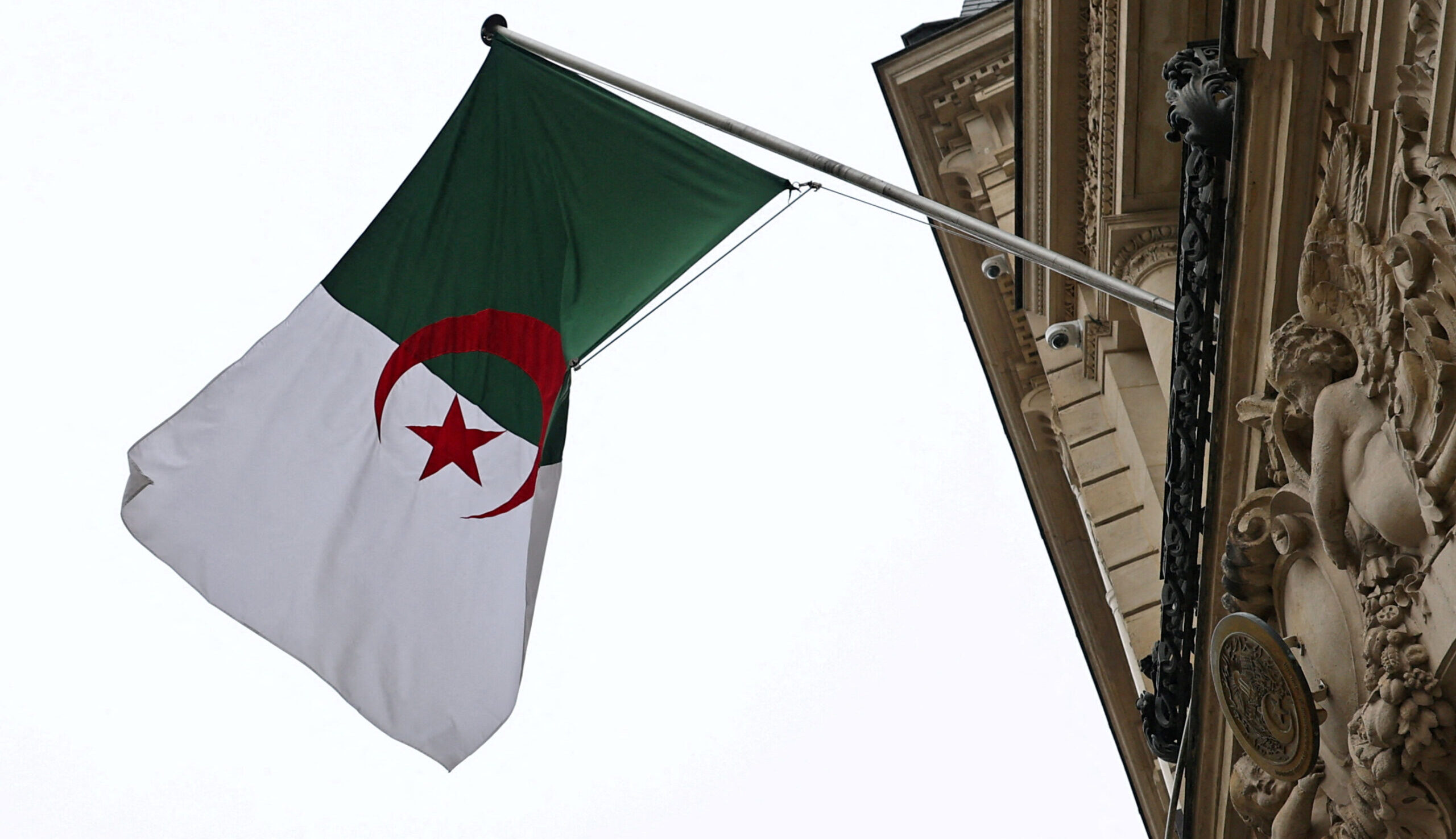
This month, Algeria made headlines by severing diplomatic ties with the United Arab Emirates (UAE), a move that has significant geopolitical implications. The decision followed a period of escalating tensions, during which Algeria declared the Emirati ambassador persona non grata, granting him only forty-eight hours to leave the country. This diplomatic fallout extends beyond mere protocol; it reflects deeper issues that have been brewing for years, including conflicts over political ideology and regional influence.
Historical Context of Tensions
The relationship between Algeria and the UAE has been strained for some time. In January 2024, Algeria’s High Security Council raised alarms about perceived “hostile behavior” from the UAE, indicating a growing mistrust. Earlier this year, Algeria rescinded its air services agreement with the UAE, further escalating tensions. Algerian President Abdelmadjid Tebboune has accused the UAE of destabilizing the Sahel region, highlighting an urgent concern exacerbated by recent political upheavals, including an attempted coup in Niger just before the severance of relations.
Personal dynamics between leadership figures have also contributed to the conflict. President Tebboune’s relationships with Emirati officials have been lukewarm at best. This ongoing tension must be understood within the larger context of regional geopolitics, where Algeria perceives the UAE as a player that threatens its national security and stability.
Regional Dynamics and Global Implications
At the heart of this crisis lies a complex web of regional rivalries. Algeria fears that the UAE supports factions that pose a direct challenge to its authority. These include actors in Libya and Sudan who have displayed openly secessionist tendencies. In this strained atmosphere, Algeria’s state-run news agency characterized the UAE as the “conductor” of regional chaos. This sentiment was echoed by Algeria’s recent decision to offer military backing to Niger’s junta after a failed coup attempt, marking a shift from its traditionally cautious approach to foreign military interventions.
The broader implications of these tensions also touch on the Arab world’s shifting alignments, particularly concerning normalization with Israel via the Abraham Accords. Algeria’s steadfast rejection of any form of normalization underscores a significant ideological divide from the UAE, which has embraced partnerships in the new geopolitical landscape. Algeria’s historical role as a staunch supporter of the Palestinian cause adds another layer of complexity to its relations with both the UAE and its North African neighbor, Morocco.
Subnational Factors and Future Outlook
Additionally, internal dynamics within Algeria contribute to the mounting discord. Last year, the self-declared “independence” of Kabylia by the pro-independence Movement for the Self-Determination of Kabylia (MAK) stirred fears about national unity. Allegations surfaced that the UAE played a role in supporting separatist sentiments, which further aggravated Algerian concerns about its territorial integrity.
Despite these challenges, a sudden shift toward dialogue is not impossible. The UAE’s measured response to Algeria’s actions hints at a willingness to mitigate tensions. Observers suggest that Algeria might also seek to leverage its foreign policy to navigate its domestic challenges effectively. Both nations have historically found common ground in opposing certain Islamist movements, suggesting that there may still be avenues for collaboration, should both parties choose to prioritize stability over fractious disputes.
The rupture in relations is more than a simple diplomatic incident; it encapsulates broader geopolitical currents, ideas of sovereignty, and varying regional strategies. While immediate reparations are conceivable, significant diplomatic efforts will be required to bridge the ideological and strategic divides that currently separate Algeria and the UAE.