
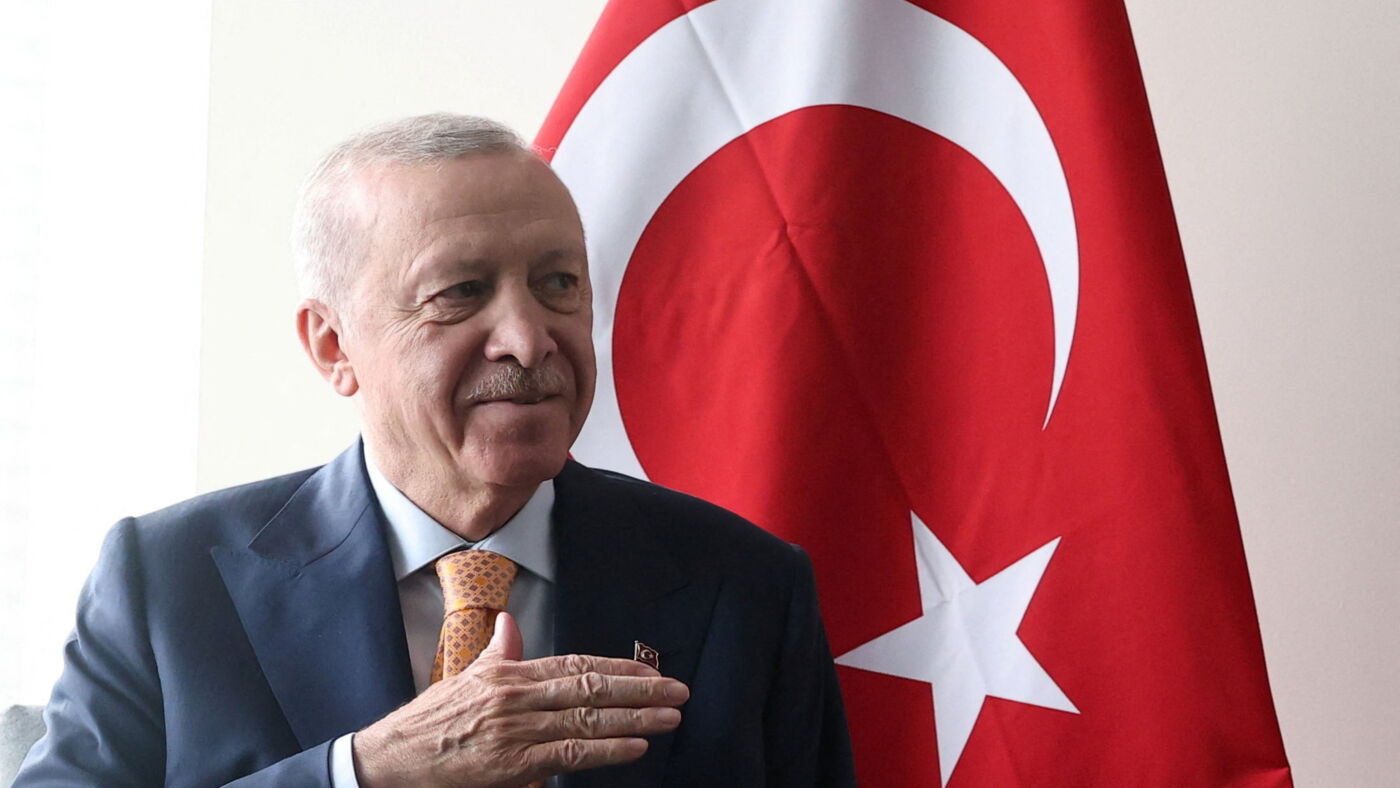
Turkey is emerging as a significant player in the Middle East, leveraging its defense capabilities, cultural influence, and mediation skills to reshape regional dynamics. As tensions with Iran, Gaza, and the United States evolve, Turkey is strategically positioning itself to become a new force in Middle Eastern geopolitics.
The Rise of Turkey’s Defense Industry
Turkey’s defense sector has witnessed remarkable growth over the past few years, reflecting its ambition to enhance its military capabilities. With a focus on self-sufficiency, the nation has increasingly invested in domestic production of arms and military technology. This strategy not only aims to reduce reliance on foreign suppliers but also boosts Turkey’s status as a defense exporter. By developing advanced weaponry and equipment, Turkey is not just arming itself but is also becoming a significant player in the global arms market.
In addition to bolstering its military strength, the burgeoning defense industry contributes to Turkey’s geopolitical leverage. The nation’s defense exports have found buyers in various countries, enhancing its relationships and solidifying alliances throughout the region. This military expansion is enabling Turkey to assert its influence in conflicts and negotiations, positioning the country as a key player in ensuring regional stability.
Cultural Influence and Soft Power
Beyond military strength, Turkey is also enhancing its regional presence through cultural diplomacy. The nation’s soft power, particularly through media, tourism, and educational exchanges, plays a crucial role in fostering a positive image and building ties with neighboring countries. Turkish television dramas, films, and music have gained popularity in multiple Arab states, creating a shared cultural dialogue that helps mitigate historical tensions.
This cultural outreach aligns with Turkey’s broader foreign policy objectives, offering an alternative narrative and promoting values that resonate with the populace in other Middle Eastern nations. By fostering connections through culture, Turkey is effectively working to cultivate a network of influence that can support its political and economic interests.
A Mediator in Regional Conflicts
Turkey’s strategic geographical position and historical ties to various Middle Eastern nations allow it to act as a mediator in regional conflicts. Engaging in peace talks and diplomatic negotiations, Turkey aims to resolve disputes that often destabilize the region. This role has been particularly evident in its attempts to mediate between conflicting parties in the Syrian civil war and its involvement in the Palestinian issue.
By positioning itself as a neutral ground for diplomacy, Turkey demonstrates its intentions to promote cooperation and stability. This approach not only enhances its reputation as a responsible regional power but also strengthens its relationships with both allies and adversaries within the Middle East.
The Future of Turkey’s Influence in the Middle East
As Turkey continues to navigate the complex landscape of Middle Eastern politics, its multifaceted approach—combining military strength, cultural influence, and diplomatic efforts—presents a unique strategy for expanding its influence. With ongoing changes in regional dynamics, Turkey’s ability to adapt and position itself effectively will determine its standing as a formidable power in the Middle East.
In conclusion, Turkey’s ambition to become a leading regional player is evident in its defense industry growth, soft power initiatives, and role as a conflict mediator. As the dynamics among Iran, Gaza, and the U.S. evolve, Turkey’s strategic maneuvers will undoubtedly shape the future of the Middle East, creating new opportunities and challenges for both itself and its neighbors.