
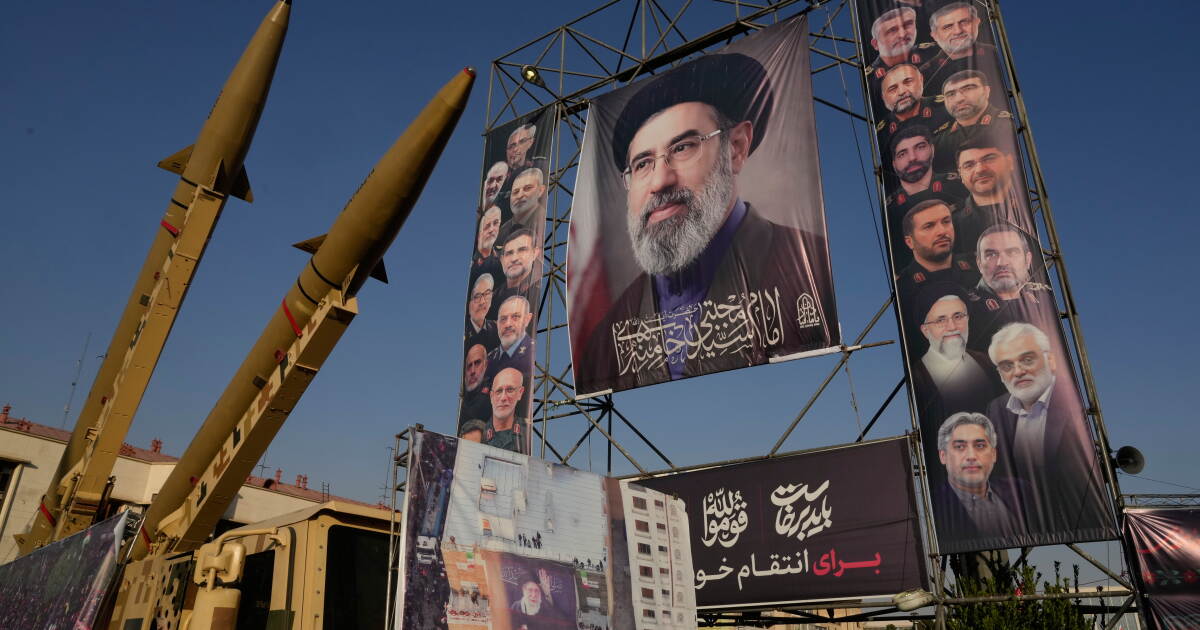
Diplomatic dialogue between the United States and Iran has continued, even after President Trump rejected Iran’s recent proposal concerning the vital Strait of Hormuz. This high-stakes situation underscores the complexities of international relations in the region, especially with the looming issues surrounding Iran’s nuclear capabilities.
Continued Mediated Communication
According to President Trump, the U.S. has engaged with Iran through intermediary channels. Reports from Iranian state media suggest that Foreign Minister Abbas Araghchi is anticipated to hold discussions with mediators from Qatar. This ongoing communication is seen as a critical attempt to navigate the tense dynamics between the two nations. Trump stated, “We’re gonna win. It’s gonna go pretty quickly.” This optimism reflects the U.S. stance on finding a resolution, although discussions are mired in significant challenges.
Challenges in Negotiation
While a U.S. official characterized recent conversations as positive, they emphasized that concrete agreements couldn’t materialize without addressing pressing nuclear issues. Iran, on its part, has exhibited some flexibility regarding its nuclear program. Yet, differences persist, particularly concerning the sequencing of actions and commitments from both sides. The U.S. remains cautious, especially after breaking memorandums of understanding in the past.
Scrutinizing the potential for sanctions relief, the U.S. is conditioning any easing of sanctions on tangible progress concerning Iran’s nuclear trajectory. Despite reports suggesting a willingness from Washington to deliver financial concessions, Trump himself later denied making any such offer. This mixed messaging can create skepticism on both sides of the negotiation table.
Iran’s Proposal and U.S. Reactions
Iran’s proposal to open the Strait of Hormuz involved a seven-day plan, aimed at paving the way for further negotiations toward a comprehensive agreement. However, Trump dismissed this as an impractical deal, arguing that it hinged on conditions that were already agreed upon and subsequently violated. U.S. Ambassador to the UN, Mike Waltz, called the proposal a “cynical attempt” to place unacceptable demands on the table.
From Iran’s perspective, Foreign Minister Araghchi insists that their demands revolve around the release of assets and the ability to sell oil—key economic components they believe were promised in previous agreements. This highlights the tension central to their negotiations, as both sides interpret prior commitments differently.
The U.S. Stance Moving Forward
As the situation evolves, the U.S. administration is keen on ensuring that Iran is sincere in its commitments. The skepticism surrounding Iran’s reliability stems from past violations, particularly the MOU from July. The U.S. government believes its position is strengthening amidst ongoing sanctions and naval blockades, which they hope will compel Iran to engage more meaningfully in discussions.
Trump has also left the door open regarding military options, indicating a cautious yet assertive approach as he navigates this complex diplomatic landscape. While he refrains from elaborating on specific military strategies ahead of the midterm elections, his words carry the weight of possible consequences, underscoring the tension and uncertainty that remain in U.S.-Iran relations.
In summary, the path toward a meaningful agreement between the U.S. and Iran remains fraught with challenges. Both nations are attempting to position themselves favorably, albeit with deep-seated mistrust that complicates the prospect of a successful resolution. As these diplomatic efforts unfold, all eyes will be on the implications for regional stability and international relations at large.