
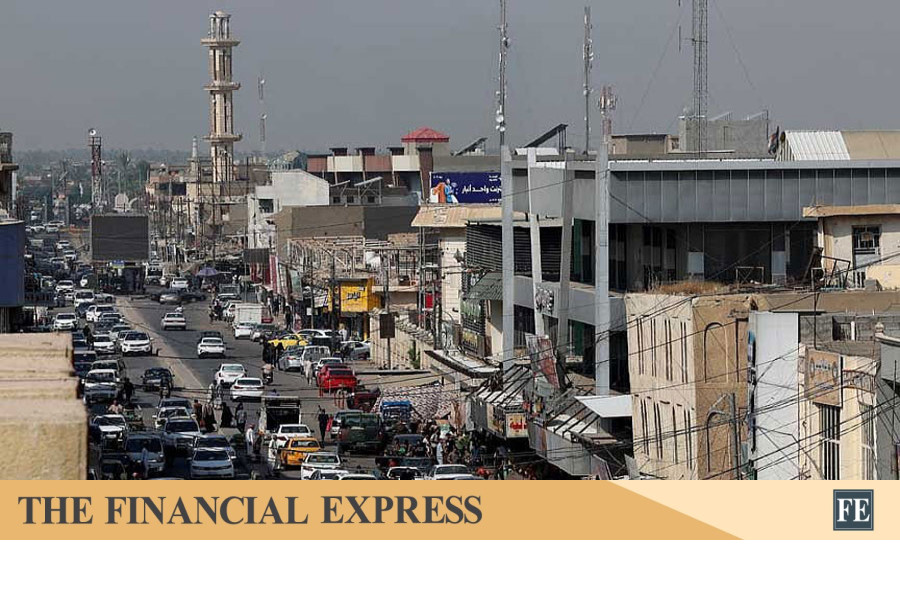
The recent withdrawal of US forces from Iraq raises significant concerns among security experts regarding the implications for the region’s stability. Implemented in 2024 under President Joe Biden and initiated by the Trump administration, this retreat potentially grants Iran and its allies increased freedom to exert influence. Experts warn it could also enable other adversaries, such as the Islamic State, to resurface.
Strategic Gains for Iran
Iraqi security analyst Jasim al-Bahadli argues that the US military’s exit paves the way for Iran to solidify its grip on power in Iraq. The absence of American forces, which have long acted as a counterweight to Tehran’s dominance, provides pro-Iranian militia groups with the opportunity to expand their influence over both security and political decision-making processes. Abu Mojtaba al-Yasiri, a commander of an Iran-backed faction, heralded the pullout as a monumental victory for Iraqi resistance, framing it as a defeat for American interests in the region. He expressed the belief that Iraq’s sovereignty emerges through the strength of its people and their resistance, rather than through foreign presence.
Concerns Over Security Readiness
While many Iraqis support a full withdrawal of US troops, there are significant apprehensions about the current readiness of Iraqi security forces to fill the resulting power vacuum. Abdulrahman al-Zobaie, a Sunni tribal leader from Fallujah, articulated these fears, emphasizing that although Iraqis desire sovereignty, an immediate withdrawal could lead to instability. He fears that an abrupt exit may create a security void that could be exploited by militant groups, underscoring the necessity for a more calculated approach.
The situation is particularly complex given Iraq’s historical ties to both the United States and Iran. Following the 2003 invasion aimed at toppling Saddam Hussein, American forces have continually navigated a complicated landscape that involved counterinsurgency operations and the combatting of various extremist factions, including the Islamic State from 2014 to 2017. As tensions rise and shifting alliances come into play, the ramifications of the US withdrawal will be closely monitored.
The Potential Resurgence of the Islamic State
In addition to bolstering Iran’s influence, the US military’s departure could also provide new opportunities for the Islamic State. While the group may have lost significant territory, it still possesses sleeper cells across Iraq. Some Iraqi security officials have expressed concern that the withdrawal will grant these fighters the chance to regroup. Kurdish commander Sirwan Barzani noted that increased movement among Islamic State members has been observed since the announcement of the US pullout. This development has the potential to boost the group’s morale and capabilities.
Even as Islamic State forces are experiencing a resurgence, Iraqi security personnel have reported credible threats of coordinated attacks timed with the withdrawal. Colonel Khalid al-Bayati remarked that these intentions underscore the group’s ongoing quest to project power and instill fear among civilians. The situation remains precarious, suggesting that the implications of the US forces leaving might not only empower Iran but also lead to a dangerous re-emergence of extremist elements in Iraq.
In summary, the ramifications of the U.S. military withdrawal from Iraq are far-reaching and complex, fostering an environment where both Iranian influence and potential terrorist activity could rise significantly. As Iraq navigates this transition, the interplay of local and international politics will be critical in determining the long-term stability of the region.