
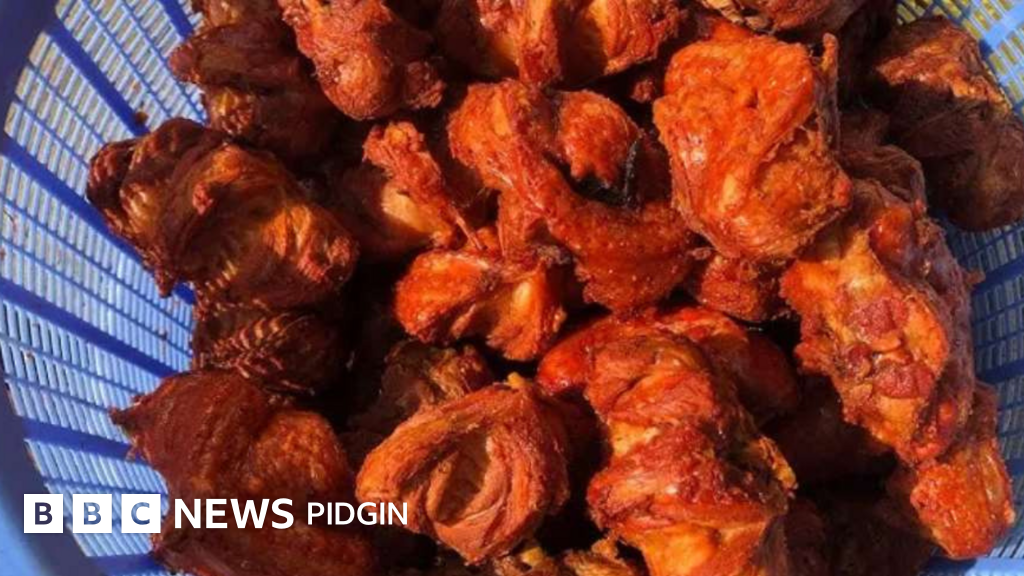
Turkey tail, a popular street food in Ghana, faces scrutiny due to its high fat content. Despite being banned since 1999, this dish, known as “Chofi” or “Tsofi,” continues to be sold across various markets and streets, raising concerns about public health. Understanding the implications of consuming turkey tail is crucial for both vendors and consumers.
The Health Risks of Turkey Tail
Turkey tail is notorious for containing over 15% fat, significantly exceeding daily recommended intake. The Food and Drugs Authority (FDA) of Ghana has repeatedly warned about the health risks associated with this dish, linking it to obesity, high cholesterol, and cardiovascular diseases. Yet, despite these warnings, the demand for turkey tail remains robust. Many street vendors express their reliance on this product as their primary source of income, creating a dilemma between economic survival and health risks.
Continuous Presence in the Market
Even though the FDA has made attempts to educate the public regarding the dangers of consuming turkey tail, many people remain unaware of its health implications. Recent public discussions revealed that numerous consumers continue to purchase turkey tail without realizing that it has been banned. The FDA acknowledges the challenge of enforcing the ban, indicating that importers often conceal turkey tail within larger shipments of frozen foods, thus evading detection. This ongoing practice complicates efforts to eliminate turkey tail from the market.
Public Reaction and Work of the FDA
The FDA has expressed commitment to improving inspections and addressing the underground market for turkey tail. They encourage the public to report any suspicious activities relating to the sale of this product. Health officials emphasize the need for increased awareness about the risks posed by high-fat foods and recommend exploring healthier alternatives. The agency is not just targeting turkey tail but also looking to educate on other high-fat foods contributing to rising health issues.
Exploring Healthier Alternatives
Given the risks associated with turkey tail, health experts advocate for the adoption of healthier meat options, such as white meats or plant-based alternatives. According to medical professionals, switching to healthier foods can significantly reduce the risks of developing high cholesterol and other related health conditions. Experts like Dr. Michael Baah Biney stress that individuals should take proactive measures to lower their cholesterol intake for better health outcomes.
In conclusion, while turkey tail remains a beloved food in Ghana, the costs associated with its consumption may far outweigh the joy it brings. Continuously educating the public about health risks and promoting healthier alternatives can play a pivotal role in shaping consumer choices and enhancing overall public health.