
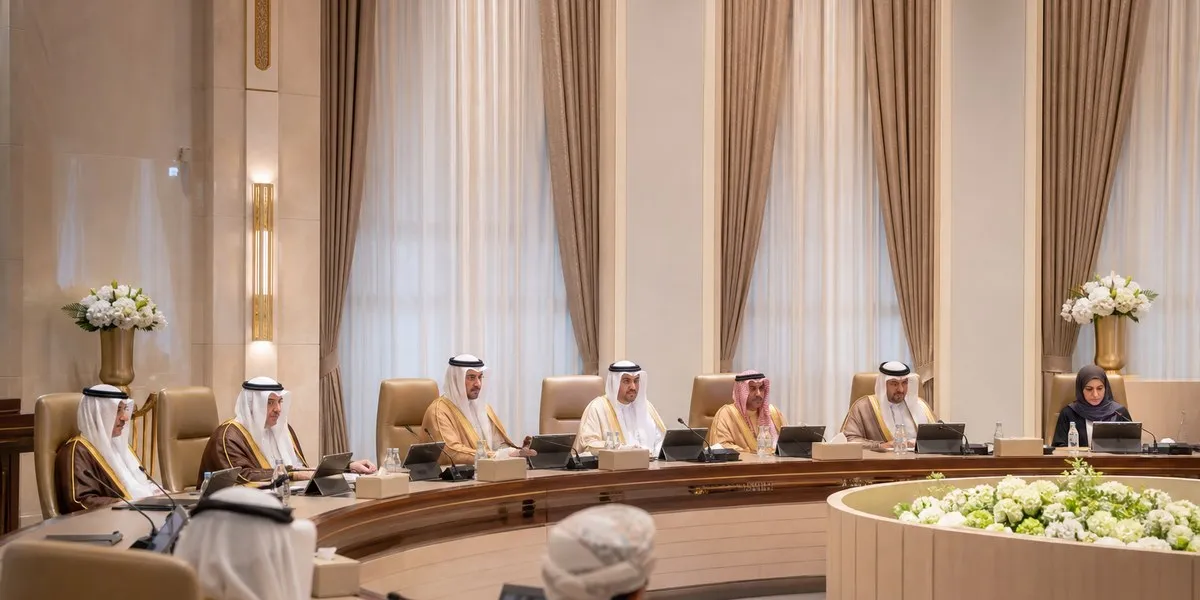
The Gulf Cooperation Council (GCC) is taking significant steps to enhance cooperation among its member states. Secretary-General Jasem Al-Budaiwi recently emphasized the importance of increased coordination to effectively implement the resolutions from the Supreme Council’s consultative meeting. His remarks were made during a gathering held in Riyadh, shedding light on the ongoing efforts within the organization.
Tenth Committee Meeting Insights
On September 29, during the tenth meeting of the High-Level Committee for Follow-up on the Implementation of the Decisions of the GCC Supreme Council’s Consultative Meeting, Al-Budaiwi reiterated the necessity for strong collaboration among the member states. The meeting, which took place at the GCC General Secretariat in Riyadh, was attended by key committee members committed to fulfilling the council’s objectives. Al-Budaiwi praised the ongoing follow-up work by ministerial committees, which has been vital in facilitating shared aspirations and developing joint initiatives across the Gulf nations.
Monitoring and Implementation Strategies
Al-Budaiwi underscored the critical need for rigorous monitoring of achieved progress as the GCC proceeds into the next stage. He articulated that close coordination with relevant entities within member countries is essential to identify further actions and tackle any potential challenges. The secretary-general pointed out the importance of converting the outputs from ministerial meetings and seminars into concrete, actionable measures, monitored within specified timelines.
He commended the collaborative efforts of member states, emphasizing the dedicated work of ministerial committees and specialized working groups. Al-Budaiwi assured attendees that the General Secretariat remains committed to supporting ongoing oversight of decision implementation, fostering a culture of accountability and collaboration among the Gulf states.
The Path Forward for GCC Collaboration
As the GCC looks ahead, the focus on stronger ties and coordination among member states will be paramount. The pathway to achieving widely endorsed decisions rests on the effective execution of collaborative frameworks that have been established through past meetings. By ensuring that discussions yield tangible results, the GCC can fulfill its mission of promoting shared development and regional stability.
Al-Budaiwi’s insights reflect a deeper commitment to the aspirations of GCC leaders, who are united in their goal of enhancing cooperative efforts. By fostering a climate of collaboration and accountability, the organization can continue progressing toward a prosperous future for all member states, establishing a robust Gulf region that stands resilient in the face of challenges.
In summary, the GCC is actively reinforcing its commitment to inter-state coordination, essential for implementing resolutions aimed at fostering joint activities. Al-Budaiwi’s emphasis on monitoring and actionable measures signifies a determined approach to ensure that the collaborative spirit among member nations is translated into substantial outcomes. As discussions evolve and strategies are refined, the GCC’s collective efforts will undoubtedly bear fruit in the quest for regional progress and unity.