
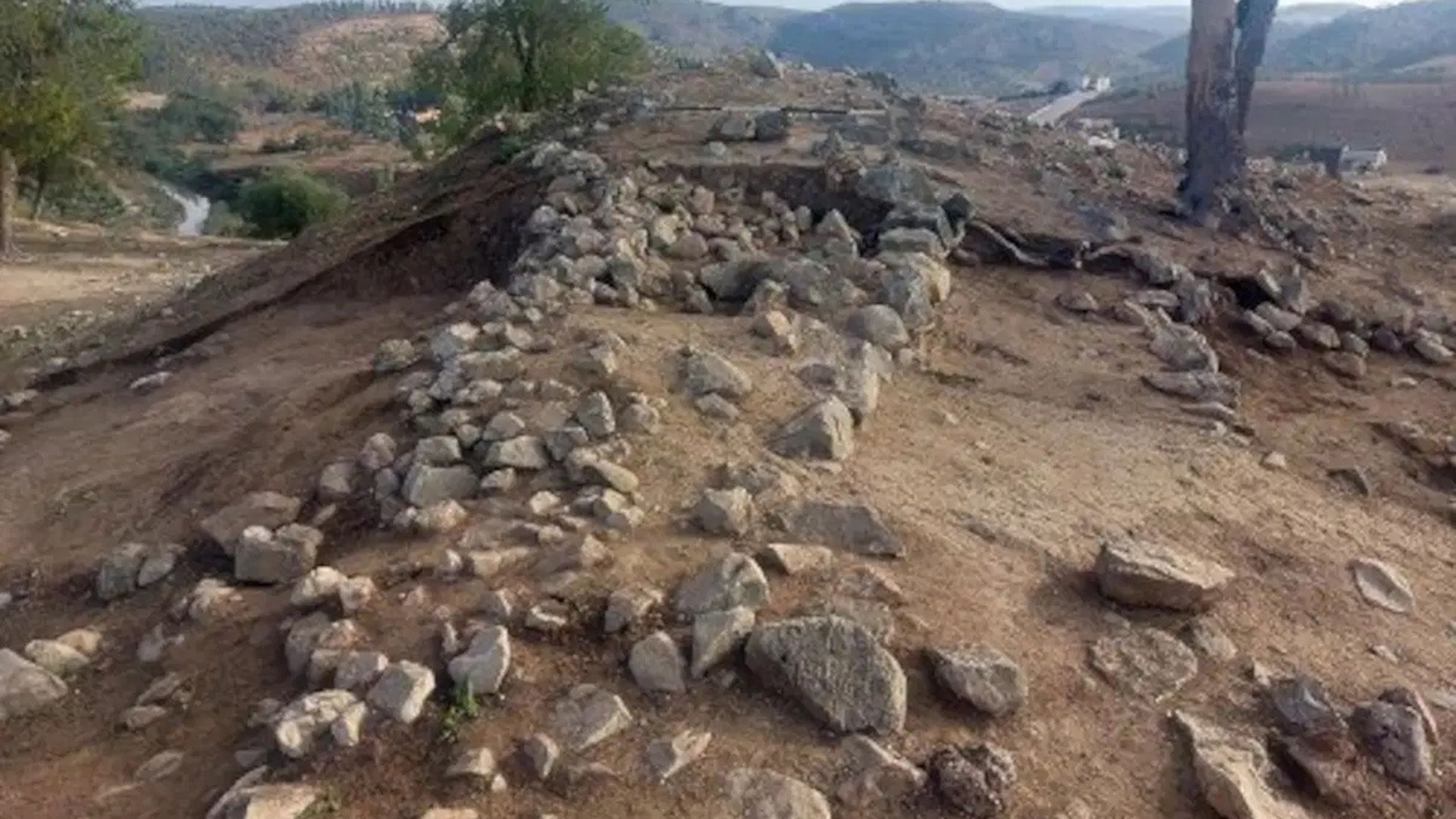
Archaeologists recently made a groundbreaking discovery in Morocco, unearthing ancient defensive walls that date back approximately 4,000 years. These structures represent the oldest known fortifications of their kind in North Africa, outside the Nile Valley. This finding significantly enriches the understanding of human activity in the Maghreb region, particularly concerning early agricultural development.
New Insights into the Maghreb’s Historical Landscape
The defensive systems uncovered at Oued Beht provide valuable insights into the sociopolitical dynamics of ancient communities. Previously, the Maghreb had been largely overlooked in the context of Mediterranean prehistory, often described as a “blank space.” Giulio Lucarini, an archaeologist associated with the National Research Council of Italy, emphasized this oversight, suggesting that the discoveries reshape previous narratives about the development of societies in this region. The archaeological efforts suggest that these communities were not only establishing agricultural practices but also organizing themselves in a manner that required formal leadership and military defense.
Research indicates that about 4,000 years ago, residents began constructing large-scale fortifications, signifying a notable shift in their societal structure and land management. These defensive walls likely served as a deterrence against impending threats, which may have stemmed from local competition for resources or territory rather than outright invasions. Lucarini posited that this change potentially reflects a growing need for organized governance, as different communities vied for control over increasingly valuable land and resources.
The Structural Significance of the Oued Beht Findings
The study of Oued Beht also reveals intricate details about the settlement that flourished there. The defensive wall, primarily composed of clay, stones, and ash, points to a remarkable level of engineering sophistication for its time. Archaeologists believe the wall’s construction involved extensive planning and collaboration, showcasing the collective effort of the community. Evidence of agricultural practices is prevalent, with numerous bell-shaped pits identified as storage facilities for grains, indicating that these communities were cultivating crops and raising livestock to sustain their population.
The capacity of these storage facilities raises intriguing questions about the region’s trade relationships and agricultural surplus. According to experts, the volume of storage suggests that Oued Beht may have served a broader network of communities, showcasing the interconnectivity of societies in ancient North Africa. These insights challenge long-held assumptions about the isolation of such regions, revealing a complex web of social and economic interplay.
Reevaluating the Relationships Between North Africa and Europe
The discoveries at Oued Beht have broad implications for interpreting interactions between North Africa and Europe. As archaeological findings in the Iberian Peninsula have already unveiled connections through traded goods like African ivory and ostrich eggshell, the new evidence from Morocco highlights the reciprocal influences between these two shores of the Mediterranean. This complex exchange suggests that communities in the northwestern Maghreb were engaging in significant social and construction projects at a time when Europe was also undergoing profound transformations.
Recent research indicates that while there are notable differences between settlements on either side of the Strait of Gibraltar—such as the scale and complexity of fortifications found in Iberia—the underlying dynamics of community organization and resource management are indicative of evolving social structures. Lucarini noted that this discovery shows the Maghreb’s early advancements in collective infrastructure, challenging previously established diffusionist models that posit that architectural complexity was always imported from more advanced societies.
In conclusion, the findings at Oued Beht not only rewrite the scripts of local archaeology but also contribute to an enriched understanding of global human history. As ongoing excavations continue to unveil the region’s rich past, they invite historians and archaeologists to reconsider the significance of early North African societies within the broader Mediterranean context.