
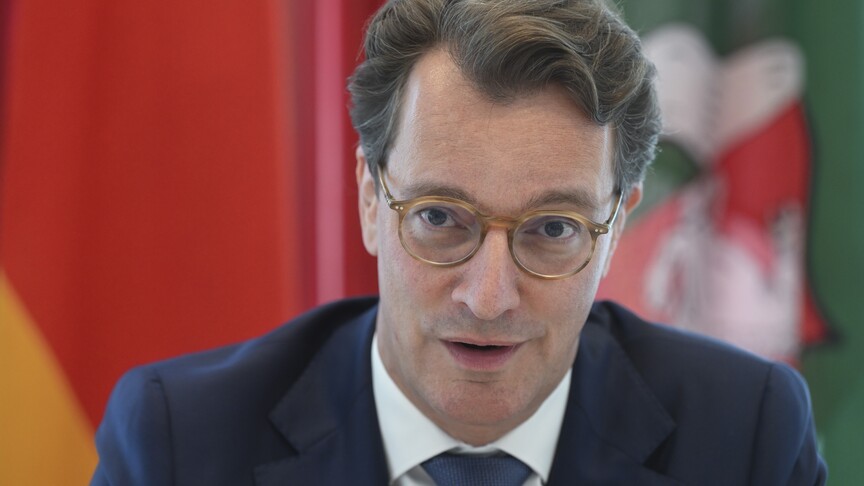
Germany’s North Rhine-Westphalia region is pushing for significant changes in its relationship with Türkiye, particularly in terms of trade and travel. The region’s premier, Hendrik Wust, has taken a firm stand on advocating for reforms in the EU-Türkiye Customs Union and streamlining visa processes. This initiative underscores the deep-rooted economic and social connections between North Rhine-Westphalia and Türkiye.
Strengthening Connections Between North Rhine-Westphalia and Türkiye
In a recent statement on social media, Premier Hendrik Wust emphasized the unique bond that North Rhine-Westphalia shares with Türkiye. He stated, “No region is as closely connected to Türkiye socially and economically as North Rhine-Westphalia.” This assertion highlights the importance of nurturing these ties to foster mutual growth and development. Wust’s remarks came during his official visit to Türkiye, where he underscored the need to maintain and enhance these connections.
Wust’s call for reform is not merely a formality; it reflects the substantial Turkish population residing in North Rhine-Westphalia. Approximately one-third of Germany’s Turkish community calls this region home, making it a vital link between the two nations. The interaction between the two cultures has not only enriched the local landscape but has also laid the groundwork for economic collaboration.
Modernizing the EU-Türkiye Customs Union
A focal point of Wust’s discussions was the European Union-Türkiye Customs Union. The current framework, established to facilitate trade, is in urgent need of modernization to reflect the current economic landscape. Wust highlighted that the modernization of this union would allow for increased trade possibilities, benefiting both North Rhine-Westphalia and Türkiye.
In his meeting with Turkish President Recep Tayyip Erdogan, Wust stressed that enhancing economic cooperation is a priority. They spent nearly an hour discussing how both parties could work together to boost economic ties. The outcome of this dialogue could pave the way for more efficient trade practices and open up new avenues for investment.
Improving Visa Procedures for Better Mobility
In addition to trade discussions, the need for improved visa procedures was another key aspect of Wust’s agenda. Current visa processes can be cumbersome and limit the mobility of individuals looking to engage in professional or personal activities between the two countries. By advocating for more streamlined visa procedures, Wust aims to facilitate easier movement for citizens, further solidifying the cultural and economic connections between North Rhine-Westphalia and Türkiye.
The proposal to reform visa rules reiterates the importance of fostering a more integrated relationship. Enhancing mobility will not only benefit the Turkish community in Germany but also encourage bilateral investments and collaborations. When individuals can travel freely, it opens doors for networking, cultural exchanges, and economic partnerships, making both regions stronger.
In conclusion, Hendrik Wust’s initiatives reflect a proactive approach to enhancing the relationship between North Rhine-Westphalia and Türkiye. His calls for reform in the EU-Türkiye Customs Union and improved visa procedures demonstrate a commitment to fostering deeper ties that could yield substantial economic and social benefits for both regions. As discussions continue, the focus remains on nurturing this unique relationship and exploring new avenues for collaboration.