
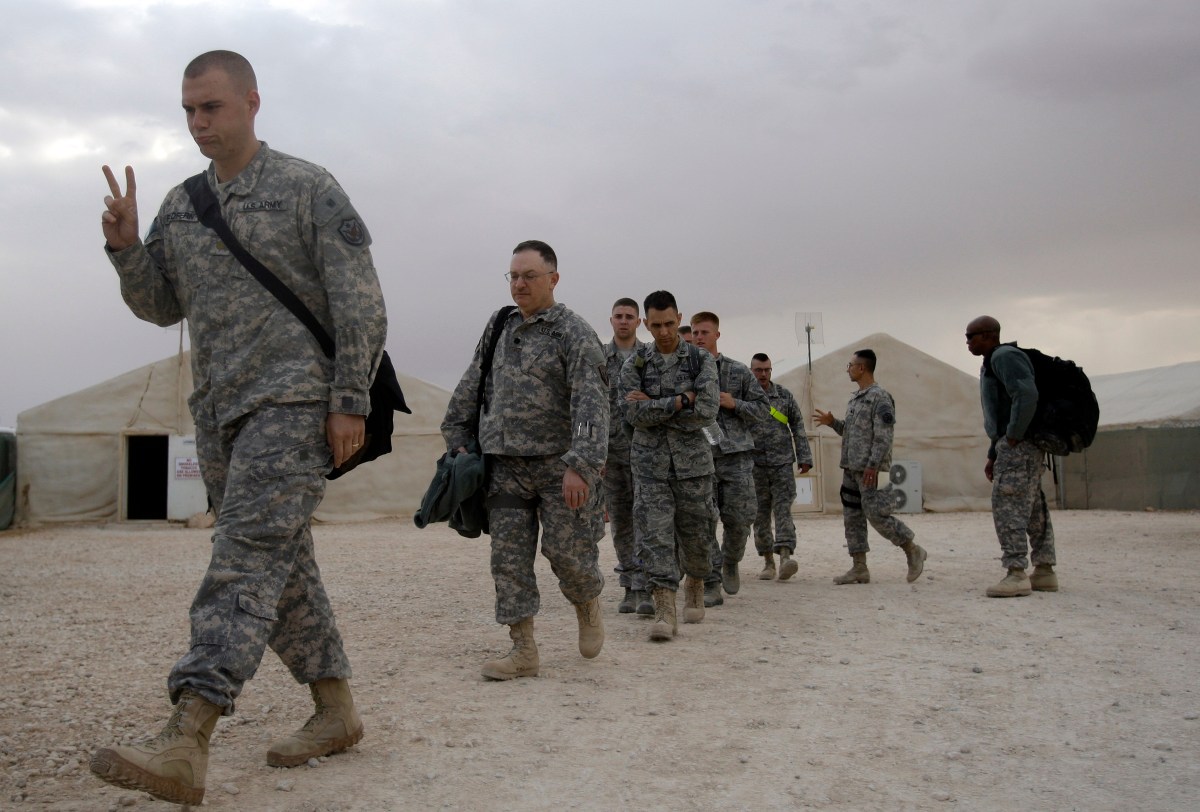
The final withdrawal of American troops from Iraq marks the conclusion of nearly two decades of military involvement. This significant moment reflects on a complicated history that commenced with the 2003 invasion and saw a resurgence of U.S. forces in 2014 to assist Iraq in combating the Islamic State. As the U.S. departs, the implications for the region, particularly concerning Iran, remain profound.
Consequences of American Military Engagement
The end of the American presence in Iraq follows a narrative intertwined with countless challenges and shifting dynamics in U.S. foreign policy. The abrupt exit from Afghanistan, which ignited a similar narrative of instability, makes this withdrawal feel especially poignant, highlighting the difficulties of foreign interventions. Both Iraq and Afghanistan are often referred to as “forever wars,” illustrating a prolonged engagement that taught the United States harsh lessons about the limitations of military power in achieving sustainable peace.
As the last plane departs, tensions still linger, particularly with Iran. Following the less conventional Operation Epic Fury, where American airstrikes targeted Iranian capabilities without establishing long-term military presence, questions arise about how such actions will shape regional stability. While the U.S. may celebrate military victories, transforming that into effective, positive outcomes remains a considerable challenge.
Legacy of Conflict and Civilian Impact
When Operation Iraqi Freedom commenced in 2003, the swift fall of Baghdad and the capture of Saddam Hussein appeared to herald a new era of prosperity for Iraq. Yet, as history showcases, the aftermath involved immense sacrifices, including 4,492 American lives and countless Iraqi civilian casualties. Conservative estimates suggest that between 180,000 and 210,000 Iraqis died as a direct result of the conflict, with many more perishing due to the collapse of vital infrastructure. Although the current situation exhibits some improvements, scars from years of conflict continue to affect the nation.
Under Prime Minister Ali al-Zaidi, Iraqi leadership seeks a delicate balance between U.S. partnerships and the prevailing influence of Iran within Iraq. Al-Zaidi’s government must navigate the complexities of maintaining strong diplomatic ties with the United States while managing domestic factions that are aligned with Iranian interests. This intricate political landscape complicates efforts to establish a stable and sovereign Iraq.
Repercussions and Ongoing Tensions
The geopolitical landscape of the Middle East remains fraught with challenges, especially regarding Iran. While Tehran engages in a bargaining position, trafficking in geopolitical leverage amid American military pressure, the implications of a U.S. withdrawal from Iraq may haunt future engagements. The same military tactics that aim to dismantle adversarial capabilities must also be scrutinized for their long-term consequences—an area where past American endeavors have shown vulnerabilities.
Currently, America’s approach to Iran has provoked tension, with serious implications for the U.S.’s ability to maintain its standing in a shifting political arena. While hawkish policies have produced short-term military success, the inability to craft a lasting, effective strategy for regional stability signifies a need for reflection. As Congress increasingly questions U.S. military involvement, the pressure mounts on the Biden administration to respond to the evolving scenarios without repeating past mistakes.
The departure of U.S. troops from Iraq, nearly 23 years after their initial foray, serves as a cautionary tale regarding the lessons learned from past conflicts. While launching military interventions may be straightforward, securing a lasting peace and managing the fallout is much more complex. As tensions simmer in Iran, the hope remains that the costly lessons from Iraq can inform better strategic choices moving forward.