
On February 2, Jordan announced a key partnership with the British firm Hotspur Helium to initiate helium exploration in the Dead Sea region. This memorandum of understanding, signed by Jordan’s Energy Minister Saleh Ali Al-Kharabsheh, marks a significant development in the pursuit of helium, a gas vital for various modern technologies and industries.
Significance of the Helium Exploration Agreement
Al-Kharabsheh emphasized that this agreement is the first of its kind focused solely on helium exploration. He regards the project as a unique opportunity that aligns with Jordan’s economic modernization ambitions. With a submitted work plan for a two-year timeline, the intent is to transition to a concession agreement for helium exploration if the initial results prove favorable. The initiative aims to utilize the nation’s natural resources, providing a boost to the local economy.
Project Commitment and Local Engagement
Under the terms of the memorandum, Hotspur Helium is tasked with conducting geological surveys and preparing maps of potential gas reservoirs. This initiative includes assessing the economic viability of expected gas quantities while ensuring knowledge transfer and training for local personnel. While it’s still early to celebrate, media outlets like Al-Mamlaka have reported that this project could contribute positively to Jordan’s economy, potentially positioning it as a global player in helium production. This partnership follows a governmental green light granted in late 2025.
Global Context and Urgency of Helium Production
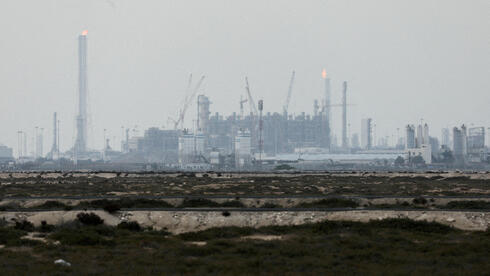
Amid intensifying international tensions, particularly in the context of ongoing conflicts involving Iran, the urgency for helium has escalated. Reports indicate that incidents impacting facilities in Qatar—one of the world’s largest helium producers—have led to significant reductions in helium output. As of March, disruptions from Iranian strikes prompted QatarEnergy to declare force majeure, raising global concerns over helium supply shortages.
In a broader context, helium is crucial for multiple sectors, including healthcare, technology, and aerospace. With Qatar producing roughly 35% of the world’s helium, the immediate fallout from its supply disruption has been a sharp increase in prices, creating uncertainty in the global market. Economic reports have noted that helium prices doubled since the onset of hostilities with Iran.
Emerging Markets and Competitive Landscape
Despite the challenges posed by geopolitical tensions, other countries such as the United States, Russia, and Algeria remain significant helium producers. Algeria is particularly well-positioned, contributing about 5.8% to global helium output while maintaining distance from conflict zones. Competition for helium supplies is intensifying, necessitating timely advancements in exploration and extraction that could open new opportunities for countries in the region.
Could Israel unlock its own helium potential? Currently, the Israeli Ministry of Energy and Infrastructure is observing developments closely, yet no specific exploration or drilling activities are in progress in the Dead Sea area at this time. As the global market grapples with supply constraints and rising prices, Jordan’s initiative represents a keenly timed opportunity for helium exploration that could yield substantial economic benefits.