
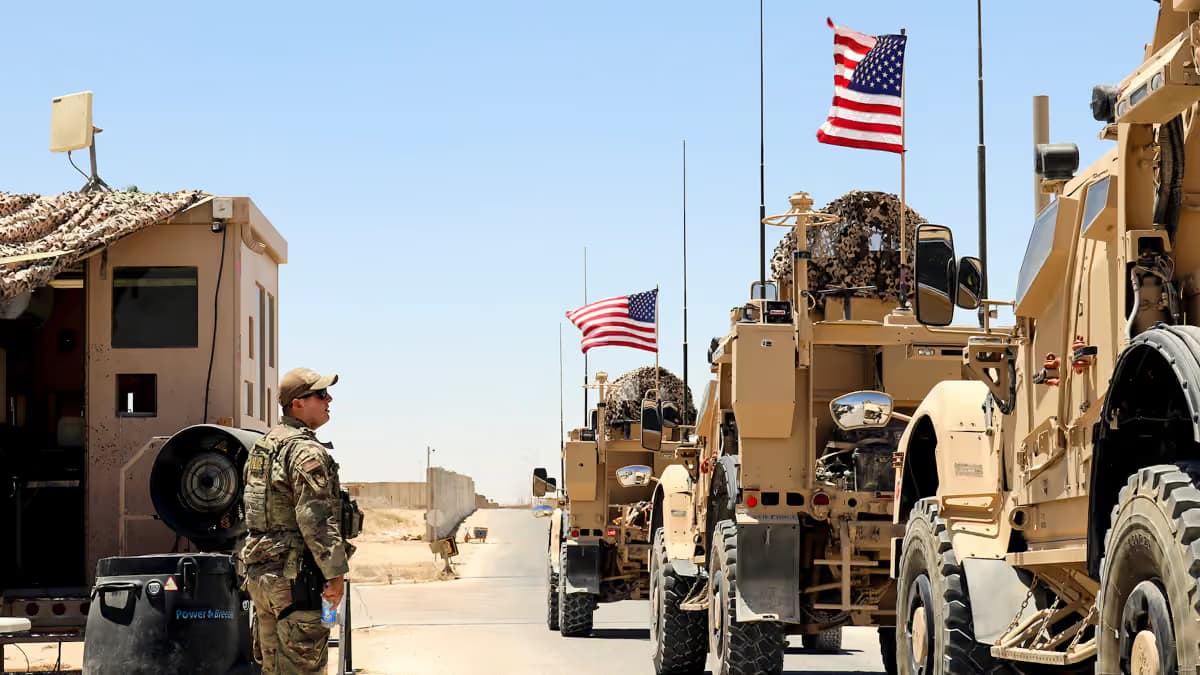
Erbil, located in the Kurdistan Region of Iraq, is set to commemorate the withdrawal of US-led coalition forces on September 30. This event symbolizes the conclusion of a 12-year military mission launched to combat the rise of the Islamic State (ISIS) in the country. The departure of these forces is viewed positively by some Iraqi citizens who see it as a pivotal step toward restoring sovereignty. However, there are pressing concerns about the potential resurgence of armed groups as Baghdad and Erbil grapple with an intricate security landscape.
Mixed Reactions to the Withdrawal
Celebrations and apprehensions coexist among Iraqis regarding the US military exit. Adnan Assi, a resident of Baghdad, expressed his hope for a stable and unified Iraq, free from foreign military presence. In Mosul, residents exhibited diverse reactions. Many welcomed the departure, with local worker Mohammed Hussam vocally criticizing the utility of American forces. Others, however, like shopkeeper Hayyan Jassim, questioned the implications for security, citing a newfound sense of order that might be jeopardized with the military exit.
Historical Context of Foreign Intervention
The impending withdrawal marks a significant moment in a broader narrative that began with the US-led invasion in 2003. This military engagement aimed to dismantle Saddam Hussein’s regime and officially concluded in December 2011. However, the aftermath of the 2011 withdrawal laid the groundwork for the conditions that allowed ISIS to rise, culminating in its capture of Mosul in 2014. The historical cycle of foreign military presence and subsequent withdrawal has bred a cautious atmosphere, with many fearing a repeat of past security crises.
Government Responses and Regional Tensions
In light of the coalition’s drawdown, Iraq’s government has initiated measures to assert control. Sabah al-Numan, spokesperson for Iraq’s armed forces, confirmed the final stages of withdrawal, which is expected to leave no foreign boots on the ground in Iraq post-September 30. A large Sovereignty Conference is scheduled for October 1, aimed at symbolizing the perceived restoration of Iraq’s sovereignty. While this conference seeks to unify Iraq’s stance, the ongoing influence of Iran-aligned armed groups complicates matters, raising fears among leaders like Masoud Barzani of a repeat of past upheavals.
Continuing Threats and Future Challenges
Even with the planned military exit, the threat of ISIS remains a pertinent concern. Recent military operations have highlighted the persistent danger posed by sleeper cells still active in various regions. Iraqi air forces recently executed strikes against ISIS positions, emphasizing that while the situation may have improved, vigilance is still necessary. The balance of power in Iraq continues to evolve, with the government navigating the complexities of maintaining internal stability while managing relations with both the US and Iran.
As Iraq prepares for the official marking of its sovereignty, the questions surrounding its future security loom large. The country stands at a crossroads, tasked not only with ensuring protection against internal and external threats but also dealing with pressing issues related to governance and the influence of non-state actors. The outcomes of these challenges will define Iraq’s security and stability in the years ahead.