
Iran has issued a stern warning regarding the implications of Israel’s activities in the region, particularly in light of Israeli Prime Minister Benjamin Netanyahu’s recent visit to the United Arab Emirates. This diplomatic engagement has not only stirred tensions but has also prompted Iran to voice its concerns about regional stability.
Iran’s Critique of Israel-UAE Relations
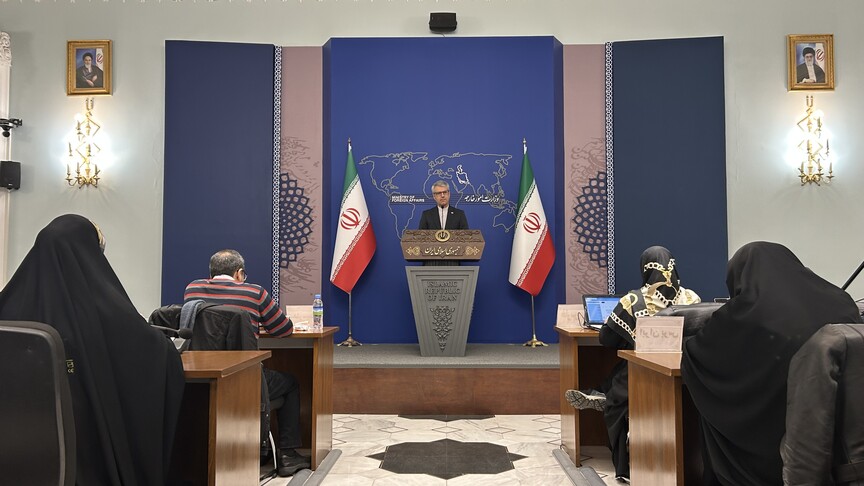
In a statement released on Tuesday, Iran’s Foreign Ministry condemned Netanyahu’s visit, labeling it as inappropriate given the current geopolitical climate. The ministry highlighted that ongoing Israeli operations against Iran, coupled with escalating violence in Palestine and Lebanon, have created a precarious atmosphere. They argue that such actions contribute to a “dangerous situation” in the region, further complicating peace efforts.
The Foreign Ministry urged neighboring countries to remain vigilant in the face of threats posed by Israel’s existence in the area. There is a strong emphasis on the need for collective security and peace among regional states. Iran posits that allowing foreign presence and operations could lead to destabilizing factors that could jeopardize the region’s safety.
Regional Implications of Netanyahu’s Visit
Reports indicate that during his visit to the UAE on September 27, Netanyahu held an extensive meeting that included representatives from multiple nations, according to Israeli media. This purported gathering saw officials from the United States, Saudi Arabia, Morocco, Kuwait, Bahrain, Libya, Oman, and Egypt participating alongside representatives from Israel and the UAE. This broad coalition reflects a significant alignment and interest in regional matters that could overshadow existing national rivalries.
Iran’s response underscores its position as a key player in Middle Eastern politics, particularly regarding relations between the UAE and Israel. By expressing concerns over the escalating tensions, Iran aims to position itself as a defender of regional stability and peace. Furthermore, it calls on fellow nations to refrain from facilitating any actions that might contribute to instability, emphasizing a unified approach to regional issues.
The Broader Context of Middle Eastern Relations
The geopolitical landscape in the Middle East is increasingly complex, characterized by overlapping alliances and deep-seated animosities. As nations navigate their foreign relations, the intertwining of various interests becomes evident. Iran’s critique can be seen as part of a broader narrative, where regional players are concerned about the potential repercussions of an ever-increasing Israeli presence.
Iran’s Foreign Ministry concluded its statements with a call for unity among regional states, urging them to work towards peace and security rather than allowing external factors to dictate their fates. This reflects a larger trend in Middle Eastern diplomacy, where nations are reevaluating their alliances in response to perceived threats.
As tensions continue to rise, it remains critical for regional actors to engage in dialogue to mitigate misunderstandings and foster cooperation. In doing so, they can strive toward a more stable and peaceful Middle East, where the interests of all parties are considered and respected.