
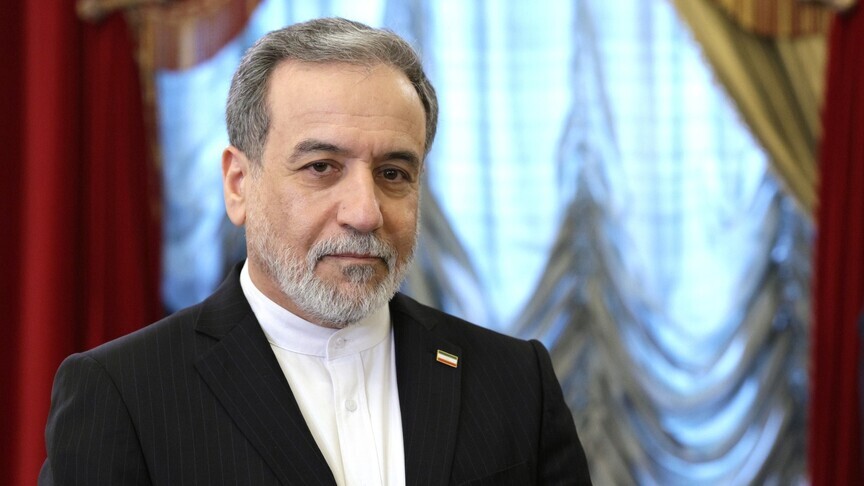
Iranian Foreign Minister Abbas Araghchi recently received a response from the United States pertaining to a proposal delivered through Qatari mediation, as reported by government spokeswoman Fatemeh Mohajerani.
US Response and Future Steps
While Mohajerani did not reveal the specific details of the US response, she did confirm its delivery, leaving Tehran’s next move uncertain. The geopolitical tension surrounding these communications highlights the complexities of Iran’s foreign relations and its ongoing negotiations. Iranian President Masoud Pezeshkian emphasized Tehran’s commitment to ensuring the effective implementation of the Islamabad Memorandum of Understanding, which he believes will usher in favorable outcomes for the nation.
Negotiations and Transparency
Pezeshkian reassured the public that outlining the benefits of these negotiations should not be mistaken for capitulation to adversaries. Instead, he regards this as a necessary act of transparency, meant to illustrate that Iran remains steadfast in its principles while pursuing its diplomatic agenda. According to him, the Islamabad agreement stands as a proud milestone and an essential document regarding Iran’s evolving international relations.
Conditions for Reopening the Strait of Hormuz
Araghchi previously mentioned that Qatari intermediaries were expected to relay new proposals to the US, aimed at addressing Iran’s demands for the reopening of the critical Strait of Hormuz. Iran’s conditions primarily involve an end to US military and economic sanctions, the release of frozen Iranian assets, and agreements regarding safe maritime navigation. These conditions were articulated by Iran during a two-hour discussion with US representatives in the context of the recent UN General Assembly.
Historical Context and Geopolitical Tensions
The Strait of Hormuz has remained a focal point of tension, with Iran asserting that it will not fully reopen waterways until its demands are acknowledged and US commitments are met. This situation has been exacerbated since the outbreak of hostilities between the US and Israel against Iran early this year, prompting retaliatory actions from Tehran in the region. Even though a ceasefire was reached in April, the subsequent memorandum signed in June concerning free navigation in the Strait has faced significant implementation hurdles.
As these diplomatic discussions continue, the stakes remain high for all parties involved. The international community watches closely, given the strategic importance of the Strait of Hormuz for global oil supplies and security.
Moving forward, Iran’s stance appears clear: it seeks a diplomatic resolution that respects its conditions and autonomy. How the US responds will undoubtedly influence the geopolitical landscape in the region, maintaining a careful balance between assertive diplomacy and the realities of international relations.