
The recent announcement by the U.S. military marks a significant milestone in Iraq’s history, as it officially wraps up its 12-year campaign against the Islamic State (ISIS). This withdrawal, which transitioned U.S. military efforts to a supportive role, raises critical questions about Iraq’s future security landscape and the regional power dynamics involving Iran-backed militias.
End of U.S. Military Presence in Iraq
Initially agreed upon two years ago, the withdrawal of American troops was executed from an airbase located in northern Iraq. Pentagon spokesperson Sean Parnell emphasized that this “orderly departure” signifies a successful campaign against ISIS, which had previously posed a considerable military threat. Parnell stated that the focus is now shifting from active combat to a more cooperative, bilateral security relationship where Iraqi forces will take the lead in maintaining order.
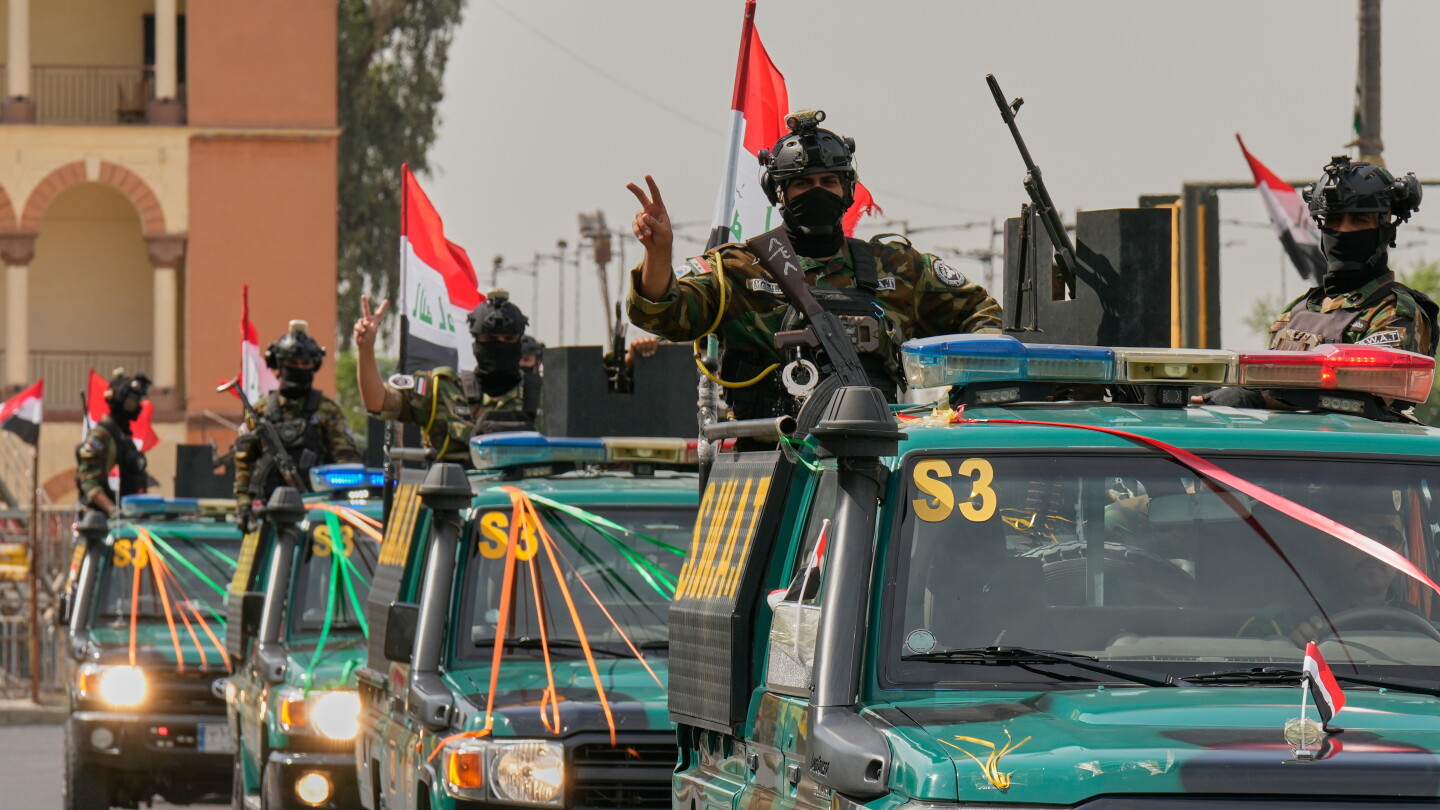
Iraqi Prime Minister Ali al-Zaidi celebrated this development, interpreting it as a marker of Iraq’s sovereignty and readiness to manage its own affairs. He reassured the public that Iraqi security forces would persist in combating ISIS while striving to mitigate the influence of non-state militias. However, this optimism is met with skepticism among various Iraqi factions, particularly in the Kurdish region, where concerns about a potential resurgence of ISIS and escalating attacks from Iran-linked groups loom large.
Regional Concerns and Militia Dynamics
While the official U.S. withdrawal is perceived as a sign of Iraq’s growing independence, it has raised alarms, especially in the semi-autonomous Kurdish region. Some officials worry that the departure of U.S. troops could empower Iran-aligned militias, which have historically targeted U.S. personnel. This dynamic comes against a backdrop of heightened regional tensions, including drone and missile attacks linked to Iranian interests.
The Iraqi government’s approach to non-state armed groups remains uncertain. While certain lesser-known militias have shown willingness to disarm, powerful factions backed by Iran are less inclined to comply with such initiatives. Al-Zaidi recently indicated that the previously set deadline for disarming these groups had been extended to June 2027, further complicating the matter. This extension raises questions about the government’s capability to manage armed factions and maintain national security.
Implications for Iraq’s Security Future
The immediate impact of the U.S. troop withdrawal may not be apparent, especially since their presence had already been significantly reduced. However, officials in Iraq’s Kurdish region report increased anxiety due to the lack of U.S. air defense systems, especially in light of recent Iranian tensions. The Peshmerga Ministry has noted an alarming increase in drone and missile strikes, exceeding 1,000 attacks, which highlights the pressing need for effective defense mechanisms.
As Iraq navigates this new phase, the celebratory statements from Iran-aligned groups signal a potential shift in power dynamics. Abu Mujahid al-Assaf, a security official with the influential Kataib Hezbollah militia, claimed that the withdrawal paves the way for full sovereignty, albeit with veiled threats against any government that fails to align with popular interests.
In conclusion, while the end of the U.S. military’s direct involvement in Iraq marks a significant change, it also raises complex questions about future security challenges and the role of militias. The Iraqi government must tread carefully as it seeks to establish a balanced approach to governance and national security in a region fraught with competing interests.