
Egypt’s Role in Advancing Stability in Libya
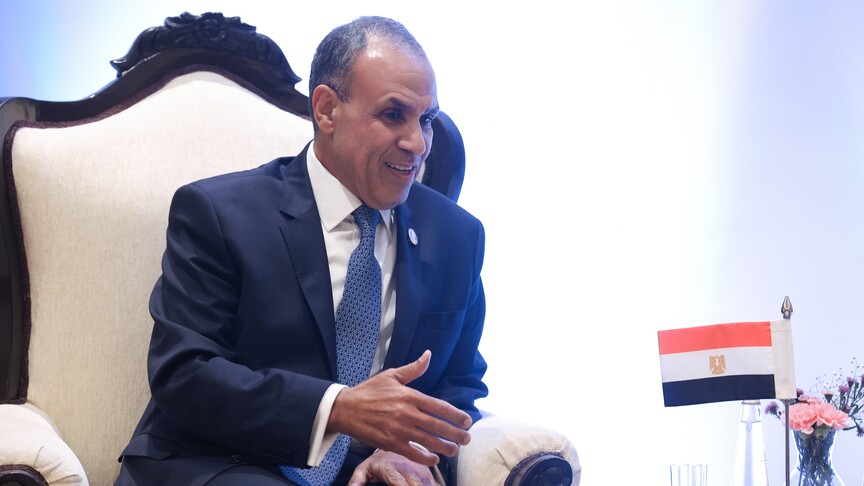
On September 30, 2026, significant discussions took place between Egyptian Foreign Minister Badr Abdelatty and UN envoy to Libya, Hanna Tetteh. The focal point of their dialogue was the ongoing political landscape and security situation in Libya, with an emphasis on propelling the electoral process forward.
Dialogue on Libya’s Political Landscape
During their meeting in Cairo, Abdelatty expressed Egypt’s unwavering support for United Nations initiatives aimed at achieving a comprehensive Libyan political settlement. He underscored the necessity of ensuring that the political process remains entirely Libyan-owned and led. This principle is crucial as it promotes national sovereignty and encourages local engagement in governance.
Abdelatty highlighted the urgent need for simultaneous presidential and parliamentary elections as a means to conclude transitional phases and unify Libya’s fragmented state institutions. His remarks emphasized that a coordinated approach to elections could serve as a vital step towards restoring stability in the country, which has faced prolonged turmoil.
Focus on Unity and Sovereignty
Recognizing Libya’s unity, sovereignty, and territorial integrity is paramount in these discussions. Abdelatty reiterated that Egypt remains committed to respecting Libya as a sovereign nation while offering its support for reconciliation efforts. This principle is vital in fostering a sense of national identity and collective responsibility among Libyans.
Egypt is a key player in the Tripartite Mechanism of Libya’s Neighboring States, which includes Tunisia and Algeria. Originally launched in 2017, the mechanism was temporarily suspended in 2019 but resumed in May 2025, reflecting a renewed commitment from regional players to assist in resolving Libya’s political crisis.
Challenges Facing Libya’s Political Process
Tetteh also provided updates on the implementation of the UN roadmap designed to facilitate the electoral process in Libya. Her discussions highlighted ongoing challenges related to the constitutional and legal framework necessary for conducting elections. With political divisions deepening, the country currently grapples with a split between two rival administrations: the internationally recognized government in Tripoli led by Prime Minister Abd al-Hamid Dbeibeh and a parallel government in Benghazi, supported by the eastern-based parliament.
These divisions have stymied UN-led efforts to conduct national elections, further extending the conflict that has plagued Libya for over a decade. The lack of a cohesive government structure complicates efforts aimed at addressing the needs of the Libyan populace, thereby perpetuating instability.
In summary, the recent discussions between Egypt and the UN envoy reflect a collective endeavor to navigate the complex landscape of Libyan politics. By advocating for unity and facilitating electoral processes, regional actors like Egypt aim to cultivate a foundation for lasting peace and stability in Libya.