
The ongoing situation in Ethiopia has drawn international attention, particularly from the United Arab Emirates (UAE) and Qatar, amid escalating conflict in the northern region. As violence resumes, displacing about 150,000 individuals, these nations have articulated their respective positions, emphasizing the importance of stability and humanitarian protection in the region.
Support from the UAE and Calls from Qatar
The UAE has publicly shown its solidarity with the Ethiopian government, stating its backing for the nation’s leaders and people. UAE Minister of State Sheikh Shakhboot bin Nahyan Al Nahyan condemned recent attacks by the Tigray People’s Liberation Front (TPLF) and its allies against the federal forces. The Emirates conveyed its concerns regarding the spread of violence, which has now affected neighboring regions, including Afar and Amhara. Its support positions the UAE as a key ally of Ethiopia amidst this turbulent period.
Contrastingly, Qatar’s Foreign Ministry has urged for an immediate halt to hostilities, emphasizing a need to prioritize civilian safety. While avoiding specific mention of the TPLF, Qatar’s statements focus on the broader implications of unrest, underlining the risk to Ethiopia’s unity and the stability of the Horn of Africa. The call for adherence to the Pretoria peace agreement signifies Qatar’s commitment to promoting dialogue and de-escalation in the conflict.
Recent Developments and Escalation of Violence
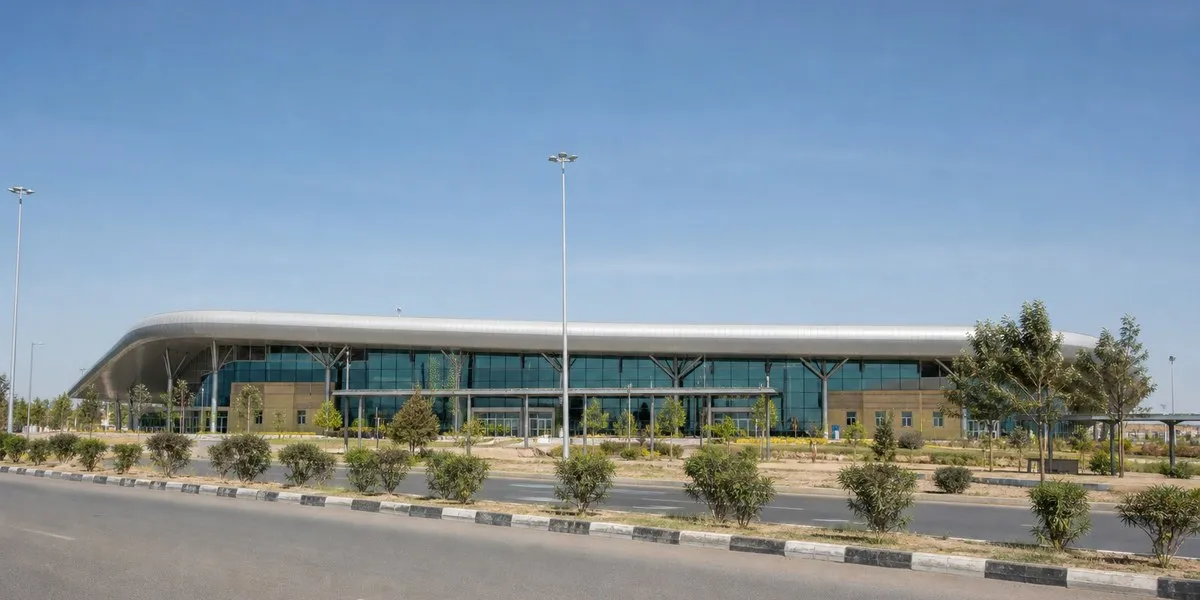
The situation has worsened recently, highlighted by the TPLF’s seizure of major airports in cities like Mekelle, Axum, and Shire. Following this, Ethiopian Airlines has suspended flights to the area, further isolating the region. The TPLF asserts that their actions are defensive, aiming to counteract federal military advances, which have reportedly involved drone strikes and ground assaults. Meanwhile, the Ethiopian government accuses the TPLF of engaging in a planned offensive, illustrating the deepening divide between the two opposing forces.
Reports indicate a significant rise in casualties due to the renewed fighting, with over 420 wounded individuals treated in local hospitals between September 22 and 25. This health crisis underscores the urgent need for medical assistance amidst the chaos. The United Nations Secretary-General António Guterres has expressed grave concerns regarding the unfolding violence, emphasizing the need for immediate cessation of hostilities and humanitarian access to those affected.
Accusations and International Responses
The Ethiopian military leadership has also leveled accusations against regional actors, claiming support from Eritrea, Sudan, and Egypt for the armed groups opposing the federal government. However, these nations have denied such allegations, with Sudan’s military explicitly refuting involvement. Egypt’s Foreign Ministry has refrained from addressing the accusations directly but has characterized claims of its interference in Ethiopian affairs as groundless.
These unfolding events in Ethiopia have wider implications for regional stability in the Horn of Africa. As the conflict endures, the international community watches closely, hoping for a swift resolution that safeguards the lives of civilians and restores peace. The positions taken by the UAE and Qatar reflect their strategic interests in maintaining stability in the region while exploring avenues for diplomacy amidst ongoing strife.