
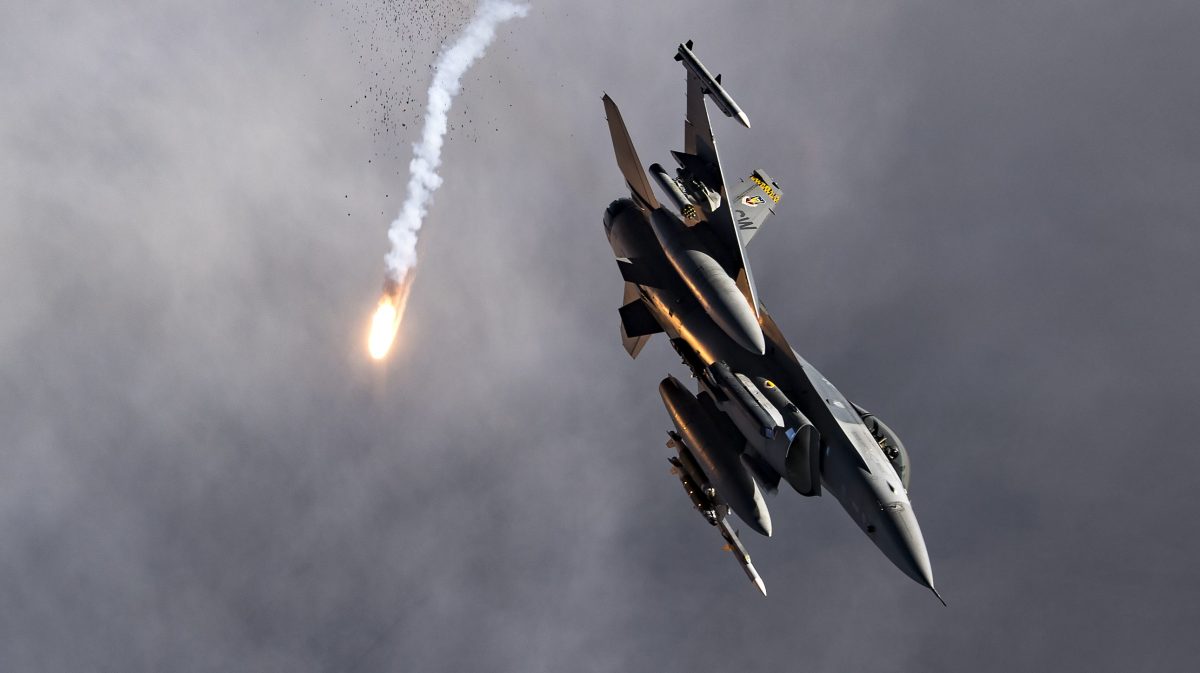
At a recent event at Langley Air Force Base in Virginia, six F-22 Raptor pilots were awarded the Distinguished Flying Cross (DFC), a prestigious military honor acknowledging valor during flight operations. This award is recognized as the highest flying accolade in the military and is ranked as the fourth-highest military honor overall, positioned above both the Purple Heart and Bronze Star.
Significance of the Distinguished Flying Cross
The DFC is awarded for extraordinary heroism and exceptional achievements in aerial combat. General Adrian Spain, commanding officer of Air Combat Command, presented the awards and remarked on the rarity of such recognitions. “We haven’t awarded many of these in the last few decades,” he noted, emphasizing that the award is meant to honor true courage in flight. Award ceremonies like these are aimed at showcasing the sacrifices and exceptional performances of military personnel, however, details regarding the missions leading to these honors often remain vague.
The official photographs from the ceremony depicted General Spain next to an empty stage, leading to questions about the absence of the honored pilots. While the Air Force did provide images and general statements regarding the event, the lack of specific information surrounding the pilots’ heroic actions raises concerns within the military community and the public alike.
Missing Information and Operational Security
Alongside the photographs, the Air Force released minimal information about the specifics of the missions performed by the awarded pilots during Operation Midnight Hammer, which took place in June 2025. An Air Force spokesperson indicated that due to the sensitivity of operational security, specific details concerning the pilots and their flights would not be disclosed. This lack of transparency has become a concerning trend, particularly since the onset of combat missions against Iran commencing in April 2024, during which more than 70 DFCs have been awarded.
Historically, valor awards provide insights into the realities of military engagements. For instance, citations from previous conflicts have served as critical avenues for understanding the chaos and dangers faced by service members. Nevertheless, the current climate of diminished press access and secrecy surrounding military operations hampers public comprehension of these efforts.
Recognition and Future Implications
Valor awards not only serve as acknowledgments of bravery but also play crucial roles in the careers of military personnel. For instance, a DFC can significantly influence an airman’s chances for promotion, especially within officer ranks. The significance of valor recognitions can vary, but such awards, including the DFC, carry substantial weight in promotion boards and can even be considered more important than other commendations like the Purple Heart.
As the military continues to operate under heightened scrutiny, recognition of aircrew contributions, particularly tanker crews supporting frontline operations, has become more pronounced. Awards for these individuals, who historically received limited acknowledgment in similar contexts, have increased, signifying an evolving perspective on support roles within aerial combat operations. Nevertheless, elusive details regarding the missions that led to these honors endure, raising questions about transparency and recognition practices in the current military environment.
As the awards are distributed, the gap between public recognition of valor and the operational realities faced by service members continues to pose challenges. While the military may seek to maintain operational security, the public’s understanding of sacrifices made during missions is crucial for appreciating the full scope of military service. In an age where information is readily accessible, striking a balance between acknowledging bravery and respecting operational integrity is increasingly complex.