
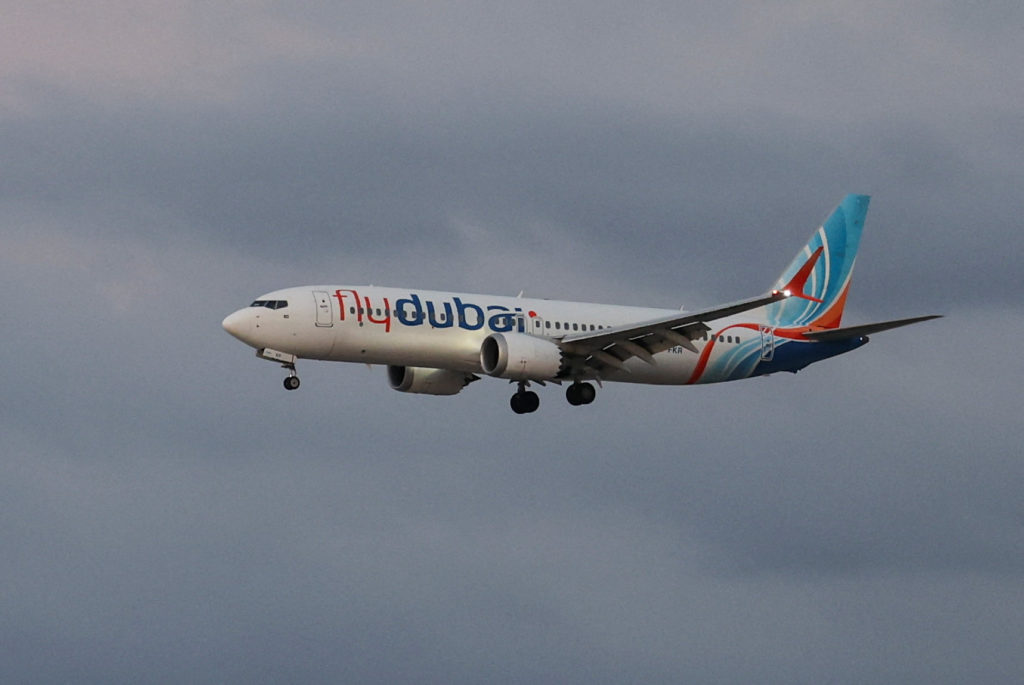
A recent incident on a FlyDubai flight from the United Arab Emirates to Israel has raised significant concerns about airline safety. Reports indicate that one pilot attacked another, resulting in a chaotic situation that put passengers’ lives at risk. As fears of a hijacking loomed, the situation was managed thanks to quick actions by passengers and crew members, leading to a safe landing in Saudi Arabia. This dramatic episode has reignited fears surrounding airline security and the potential risks posed by flight crews.
What Happened During the Flight
The disturbing events unfolded just a few hours into the flight, with a distress signal received around 8:44 a.m. local time. Approximately 170 passengers were on board when a physical altercation broke out in the cockpit between the captain and the first officer, as one allegedly tried to stab the other while attempting to crash the plane. Following a rapid descent from 33,000 to 17,000 feet in less than a minute, the aircraft circled toward the Jordanian border before successfully landing in Tabuk, Saudi Arabia. Both pilots suffered injuries that required hospitalization, with reports suggesting that one of them has since been arrested.
Heroic Actions of Passengers and Crew
In the face of danger, the courage displayed by a passenger and crew member proved pivotal. They managed to breach the locked cockpit door—a security measure put in place to prevent unauthorized access—and intervened to subdue the assailant. This moment was crucial in preventing what could have been a catastrophic event in mid-air. Israeli Prime Minister Benjamin Netanyahu stated that the quick response of passengers and crew helped avert a disaster and ensured the aircraft could land safely.
Assessing Airline Security Measures
The incident raises critical questions regarding airline security protocols, particularly how a weapon could have made it aboard. Pilots undergo extensive screening at airport security, including metal detection, and their backgrounds are thoroughly vetted for any criminal activities or mental health concerns. Despite the robust security measures that are standard for both passengers and crew, cases like this remind us that no system is infallible. Israeli airports are known for their rigorous security checks, yet it remains unclear how effectively these were implemented for this flight.
Lessons Learned and Future Considerations
This alarming situation evokes memories of past aviation tragedies and highlights the need for continuous assessment and improvement of airline security protocols. Incidents involving crew members pose a challenge that airlines must address effectively. While it is rare, there have been instances—like the Germanwings Flight 9525 crash—where pilots compromised the safety of their flights. The FlyDubai incident serves as a stark reminder that vigilance is essential at all levels of aviation security, ensuring that rigorous checks remain a priority to protect passengers and crew alike.
This occurrence brings to light emerging concerns about the safety of air travel, especially as it coincides with heightened tensions in the region. As the aviation industry evolves, ongoing discussions about enhancing security measures, both for passengers and airline staff, will be vital in maintaining public confidence and ensuring safety in the skies.