
U.S. Military Withdrawal from Iraq: A New Chapter?
On September 30, 2026, U.S. President Donald Trump characterized the withdrawal of American troops from Iraq as a significant triumph for the nation. The exodus of military personnel from Erbil marked a clear departure from both the conflict-laden history in Iraq and a contrasting experience in Afghanistan. While Afghanistan’s withdrawal resulted in chaos and heavy losses, Trump highlighted the organized nature of this latest military exit.
The End of an Era in Iraq
In his announcement, Trump emphasized that the military’s departure symbolizes the culmination of a long and arduous mission. He contrasted this transition with the Afghan situation, where military equipment was left behind and American lives were lost. “We came to fight a caliphate; there is no longer a caliphate. We are going home,” Trump declared. This marks a significant pivot point for U.S. foreign policy, particularly after the completion of “Operation Inherent Resolve,” the counter-ISIS initiative initiated in 2014 under the Obama administration.
The U.S. Central Command confirmed that the last troops had departed from Erbil Air Base in Iraqi Kurdistan. This area has been a foundation of stability, primarily due to decades of collaboration between the U.S. and Kurdish forces. However, the departure leaves a gap in security that raises concerns about future threats from Iran-backed factions in the region.
Concerns for Regional Stability
Michael Makovsky, president of the Jewish Institute for National Security of America, voiced apprehensions regarding the implications of this military withdrawal. He suggested that retaining a presence in Erbil was essential given its strategic significance. The question of whether the U.S. perceives the Kurds as vital allies looms large, particularly in light of Trump’s relationship with Turkey’s President Erdoğan.
According to Makovsky, the capacity of other U.S. military installations in the region to compensate for the loss of the base in Erbil is uncertain. He mentioned that key allies like Qatar and Saudi Arabia do not provide the necessary security and freedom of action that American forces might require.
The Future of U.S.-Kurd Relations
As the last American soldiers leave, the Kurdistan Regional Government is increasingly anxious about the potential fallout. The Peshmerga Ministry expressed concerns over Iranian missile and drone attacks, highlighting that the withdrawal wouldn’t be paired with a robust alternative defense system. The ministry issued a clear reminder to Iraq’s government regarding its responsibility for safeguarding the region from aerial threats.
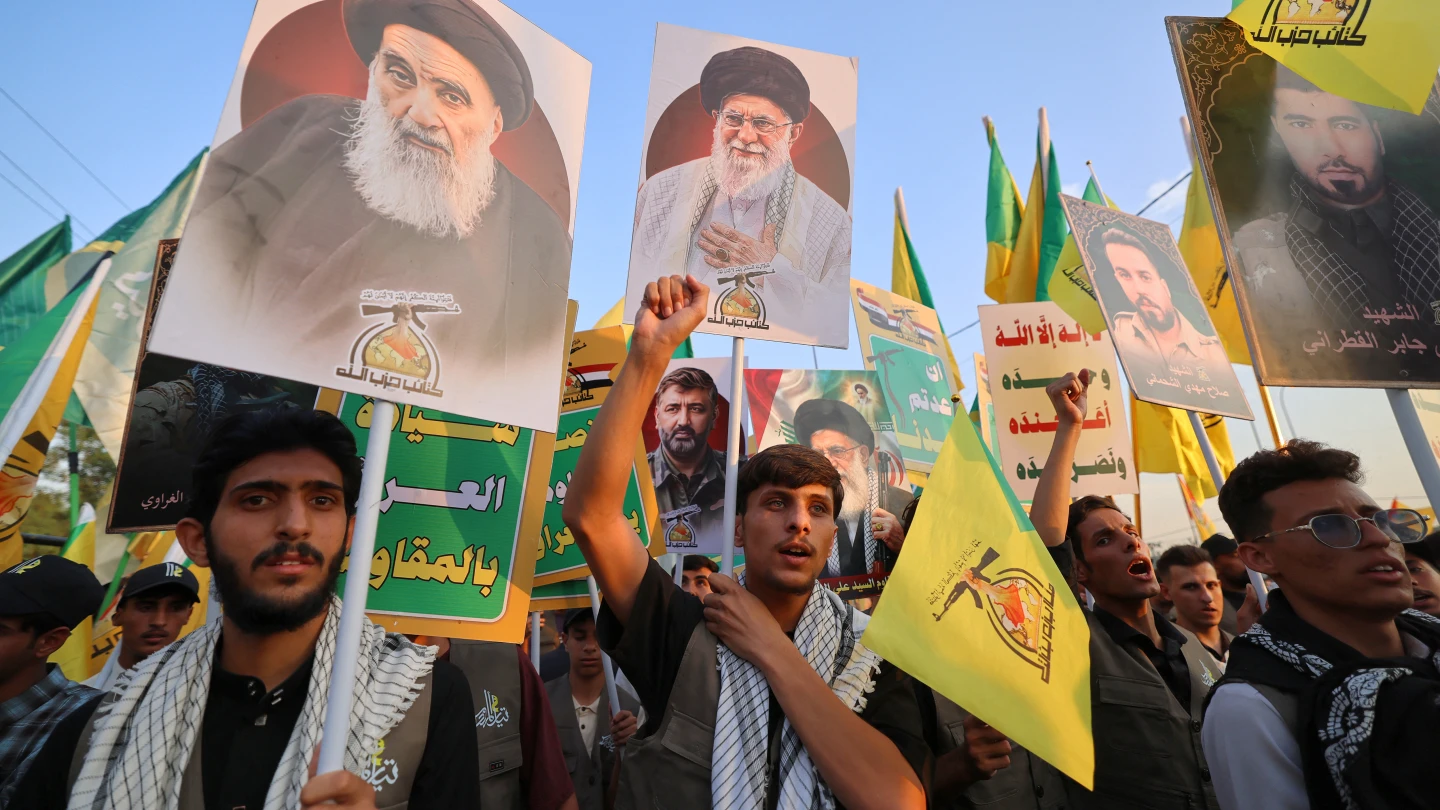
The stability of the Iraqi government, once threatened by ISIS, may now hinge on the backing of Iran, which has maintained its influence through Shiite militias that have fortified Iraqi security for over a decade. Concerns are rising: will the Kurdish regional government be able to manage its security in the absence of U.S. oversight?
In summary, the withdrawal of U.S. forces from Iraq opens a new chapter fraught with challenges and uncertainties. With rising tensions from Iranian-backed militias and an evolving geopolitical landscape, the fate of U.S.-Kurdish relations and the broader stability of the region remains precarious. As the dust settles on this military exit, only time will reveal the full impact of these significant and contentious changes.