
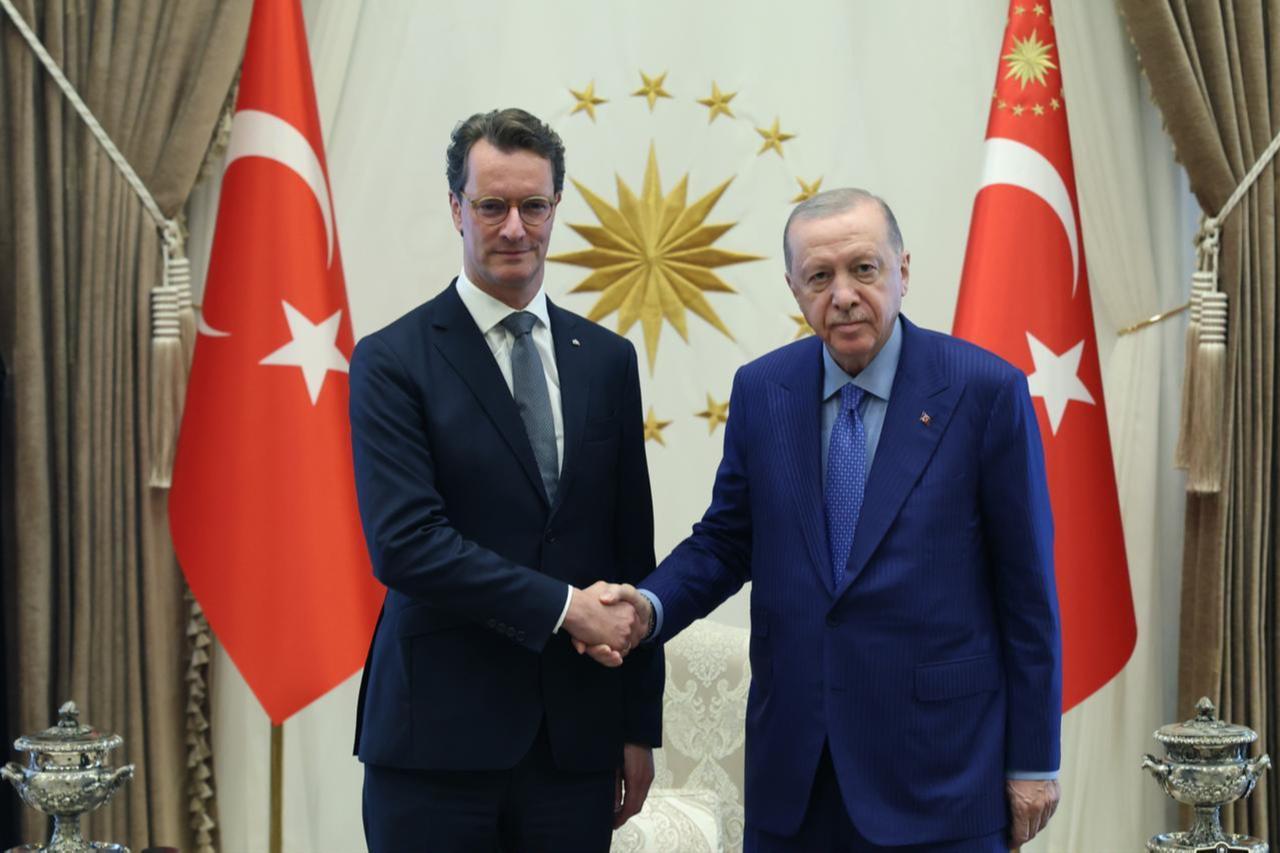
Germany’s North Rhine-Westphalia state has announced a commitment to enhance economic collaboration with Türkiye. Minister-President Hendrik Wust emphasized the significance of the Turkish economy as a vital component of Europe’s supply chain. This initiative comes amidst escalating trade barriers and the need to strengthen international economic ties.
The Importance of Economic Integration
At the Türkiye-North Rhine-Westphalia Business Forum held in Istanbul, Wust highlighted the historical flows of people, investment, and ideas that have characterized the relationship between the two regions. He noted that as international trade challenges mount, these connections become increasingly critical. “Our aim is to build on these robust ties and further amplify our cooperation,” Wust stated, reinforcing the commitment to economic unity.
The forum was a collaborative effort between Türkiye’s Foreign Economic Relations Board (DEIK) and Germany’s NRW.Global Business trade agency. Both parties recognized the necessity of fostering trade relations in light of the changing global economic landscape.
Innovations in Visa Processing and Trade Agreements
Wust revealed plans for a streamlined visa process for Turkish businesspeople to mitigate the delays that are often barriers to effective collaboration. He also endorsed the modernization of the nearly three-decade-old EU-Türkiye Customs Union. This modernization aims to reflect the evolving nature of global supply chains and improve trade efficiency.
With Türkiye ranking as North Rhine-Westphalia’s third-largest trading partner, the state is keenly aware of the importance of Turkish investments. Wust referenced that over one-third of Turkish companies operating in Germany are located in North Rhine-Westphalia, amounting to approximately 1,300 businesses.
Commitment to Energy Cooperation
The discussions at the forum also covered the significant potential in the energy sector, particularly Türkiye’s extensive onshore wind market. Wust pointed out the importance of energy security and pricing for North Rhine-Westphalia’s heavy industries, emphasizing that collaborations in this area could yield mutual benefits.
New memorandums of understanding signed during the event are expected to pave the way for enhanced partnerships, thus bolstering both economic and geopolitical connections. This cooperative effort underlines the shared commitment to sustainable energy solutions and infrastructure development.
Advocating for Economic Synergies and Supply Chain Integration
Serap Guler, a state minister at the German Federal Foreign Office, reiterated Berlin’s commitment to deepening economic ties with Türkiye. Guler noted the presence of approximately 8,600 German companies in Türkiye, which employ over 100,000 people. This significant workforce showcases the tangible benefits of bilateral trade.
Additionally, Guler underscored the impact of geopolitical tensions and supply chain disruptions, calling for the swift implementation of agreements reached during the recent German-Turkish Foreign Ministers’ Strategic Dialogue. Modernizing the Customs Union will be essential for unlocking the economic potential of nearly 540 million people across the EU and Türkiye.
The proposed initiatives aim to eliminate tariff and non-tariff barriers, maximize rule-of-law mechanisms, and ensure Türkiye’s compliance with agreements beneficial to all EU member states. Guler also expressed Germany’s strong advocacy for a “Made with Europe” strategy within the EU Industrial Accelerator Act to foster longer-term economic partnerships.
In conclusion, the strengthened ties between North Rhine-Westphalia and Türkiye are poised to create advantageous opportunities for both regions. These efforts reflect a shared vision for sustainable growth and integration in an increasingly complex global economy.