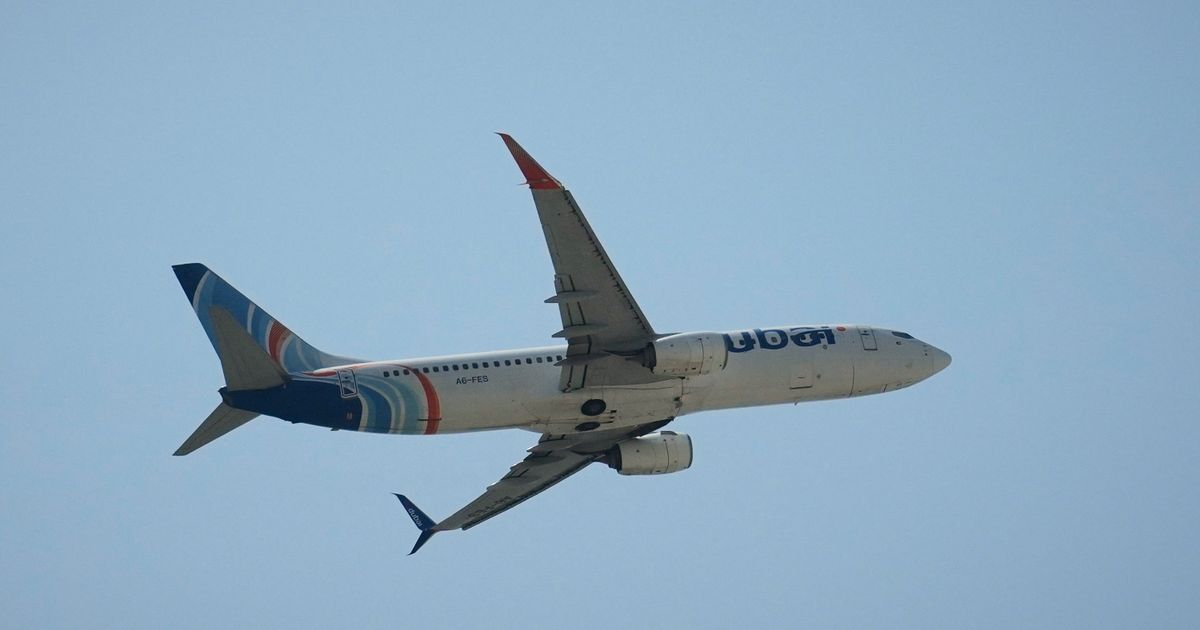
A shocking incident unfolded on a FlyDubai flight from Dubai to Tel Aviv when a copilot attacked the captain. Passengers quickly intervened, entering the cockpit to subdue the assailant. As the aircraft rapidly lost altitude, one passenger managed to seize control and pull the nose up, a maneuver he had seen on television. Other crew members soon took charge of the situation, leading to an emergency landing in Saudi Arabia.
### Incident Details and Response
The motives behind the copilot’s actions remain unclear. Following the event, Israeli Prime Minister Benjamin Netanyahu confirmed that the Saudi authorities detained the attacker. Passengers who endured the harrowing experience received a warm welcome in Israel upon transferring to another flight later that evening.
### Overview of FlyDubai Airline
FlyDubai, the airline at the center of this incident, is owned by the United Arab Emirates government and operates as a sister company to Emirates. It boasts a fleet of 98 Boeing 737 aircraft, servicing destinations across the Middle East, Africa, Europe, and Asia, including the Indian subcontinent. The airline has become notable for establishing a commercial route between Tel Aviv and Dubai, starting flights in November 2020 at a time when many regional airlines had ceased operations to Israel, an ally of the UAE.
The carrier reported impressive figures, with 15.7 million passengers flown in 2025, resulting in a total revenue of approximately AED 13.6 billion (around $3.7 billion). This success highlights FlyDubai’s growing significance in the aviation landscape, especially within the context of the UAE’s expanding diplomatic ties.
### Heroism Under Pressure
Amidst the chaos during the attack, the FlyDubai plane descended dramatically, dropping from 33,000 feet to 17,000 feet in under a minute. The aircraft performed a chaotic circle near the Jordanian border before making an emergency landing in Tabuk around an hour later. The sudden drop resulted in significant damage to the plane’s rudder, illustrating the severity of the situation.
Israel’s Prime Minister identified the injured captain as Smit Machchhar, an Indian national. The Indian Embassy in Saudi Arabia later reported that Machchhar was in stable condition following the assault. Netanyahu praised the captain’s valor, stating, “Despite being stabbed and seriously injured, he fought back, resisted, opened the cockpit door, and enabled passengers and crew to overpower the attacker—preventing a catastrophic midair disaster.” His actions undoubtedly saved the lives of 174 people on board, including both Israeli citizens and foreign nationals.
This incident serves as a stark reminder of the vulnerabilities within aviation security, and it underscores the crucial role that quick thinking and bravery play in averting potential disasters. The rapid response of the passengers and crew exemplifies the resilience of humanity in times of crisis.