
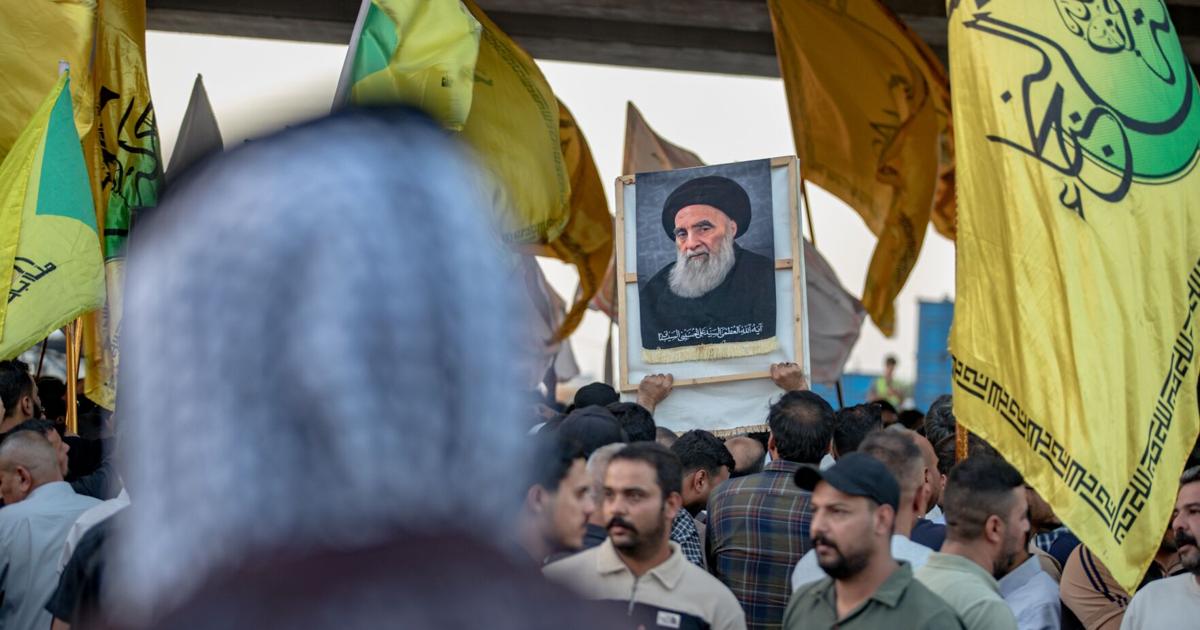
The recent withdrawal of U.S. troops from Iraq marks a significant shift in the region’s geopolitical landscape. After more than a decade of military involvement aimed at combating the Islamic State group, the U.S. military has officially completed its exit. This transition comes on the heels of a longstanding agreement between Baghdad and Washington, ultimately altering the path of Iraq’s security and sovereignty.
The End of an Era for U.S. Military Presence
The final American troops departed from an air base in northern Iraq, culminating an extensive mission that began more than 12 years ago. President Donald Trump hailed this moment as the end of “a very expensive excursion into Hell.” In a statement following the withdrawal, Trump characterized the operation as “orderly” and expressed hope that it signaled a victory, not just for the U.S., but for Iraq as well. This withdrawal itself has been framed by Trump as a necessary step to move forward from what he called a quagmire, filled with poor strategic decisions that led the U.S. into prolonged conflict.
Moreover, the timing of the withdrawal raises questions about the ongoing tensions in the region, particularly concerning Iran. U.S. forces have been embroiled in escalating conflicts with Iran-backed militias that could destabilize Iraq further. As U.S. troops pull out, these tensions and the risks of a resurgent Islamic State remain palpable. The departure is viewed with mixed feelings, especially among Kurdish groups who fear increased hostilities from militias emboldened by the absence of American support.
The Transition Towards Iraqi Sovereignty
According to Pentagon statements, the exit was executed in a manner that reflects the culmination of efforts to defeat ISIS as a military force within Iraq. The U.S. aims to transition towards a structured relationship that emphasizes Iraqi-led security initiatives, supported by military training and intelligence. Iraqi Prime Minister Ali al-Zaidi described this moment as a turning point for Iraqi sovereignty, underscoring the strength of local institutions and decision-making capabilities.
Despite the optimistic rhetoric surrounding this withdrawal, complexities remain. Al-Zaidi had previously tied the U.S. exit to the disarmament of non-state militias—a commitment that has proven difficult to adhere to. Many powerful groups affiliated with Iran continue to reject disarmament and have expressed intentions to maintain their armed presence, raising concerns about future stability. Al-Zaidi, responding to the challenges of the situation, has now extended the disarmament deadline to June 2027.
The Uncertain Future of Militias
The atmosphere in Iraq post-withdrawal leaves much to be resolved. While some lesser militias have begun to disarm, more influential factions appear steadfast in their resolve. The consequences of a diminished U.S. military presence are yet to be fully realized, though fears over Iran-backed militia attacks have heightened among regional officials. The Kurdish Peshmerga Ministry has specifically identified a worrying trend of drone and missile attacks that challenges local security.
In the wake of the U.S. withdrawal, Iranian-aligned militias celebrated the moment with statements of victory and promises to oppose any government failing to act in the populace’s best interests. This appears to signal a potential for increased unrest as these groups exert influence over Iraq’s political landscape. Some militia leaders have suggested a cessation of hostilities, but the likelihood of compliance with a negotiated disarmament remains uncertain.
As the situation unfolds, the broader implications of the U.S. withdrawal from Iraq will not only affect local governance but also the intricate balance of power in the Middle East. The path forward for Iraq is complex, marked by the dual challenges of fostering national unity while managing the diverse and often conflicting interests of its armed factions. The landscape of Iraq is undoubtedly shifting, but the full consequences of this transition have yet to take shape.