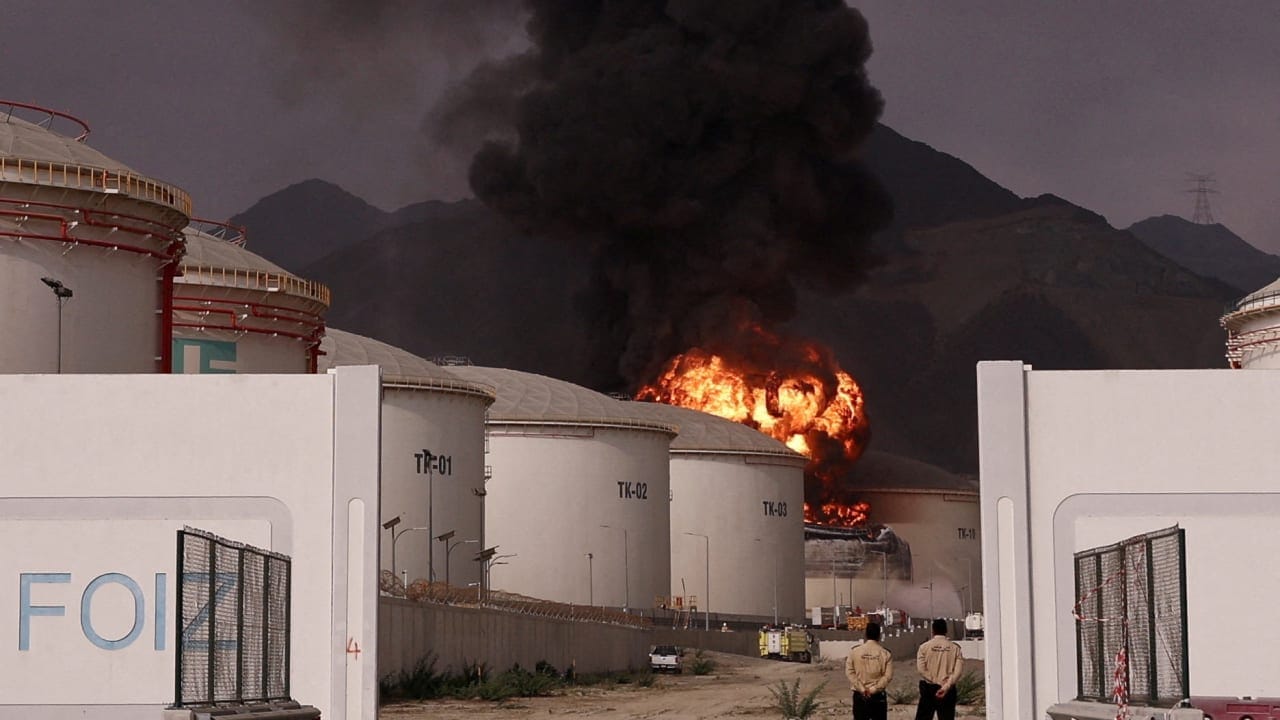
UAE Intercepts Drone Attacks Amid Heightened Tensions
In a concerning development, the United Arab Emirates (UAE) reported that six drones were launched in its direction from Iraq over a span of 48 hours, one of which resulted in a fire at the Barakah Nuclear Power Plant. The situation reflects escalating tensions in the region, emphasizing the vulnerabilities inherent in critical infrastructure.
Drones Targeting Nuclear Facility
The UAE’s Defense Ministry stated that all but one of the drones were successfully intercepted. Notably, three drones were specifically aimed at the Barakah Nuclear Power Plant, the first commercial nuclear power station in the Arab world. The drone that evaded interception managed to strike an electric generator located just outside the plant’s inner perimeter. Fortunately, the Federal Authority for Nuclear Regulation assured the public that the plant remained secure and confirmed that no radioactive materials were released as a result of the drone attack.
Regional Security Concerns
In light of these attacks, Emirati officials asserted that the UAE reserves the right to respond to what they categorize as “terrorist attacks.” The implications of such offenses extend beyond immediate security concerns, hinting at deeper geopolitical tensions that could affect neighboring regions. Reports indicate that Iraq harbors significant Iranian-backed militia groups, which have previously claimed attacks on perceived enemy positions throughout Iraq and the broader region during the ongoing conflict involving the U.S. and Israel against Iran.
During a United Nations meeting, UAE Ambassador Mohamed Abushahab emphasized that the drone attack was not an isolated incident but part of a broader context of escalating cross-border hostilities. Though he refrained from naming the specific perpetrators, he indicated that the attacks exacerbated already heightened tensions and could precipitate more dangerous confrontations.
Global Response and Implications
The incident drew global attention, with both Russia and China’s representatives at the UN voicing their objections to the drone attack. The Russian envoy highlighted the categorically unacceptable nature of attacks on peaceful nuclear facilities, while China expressed significant concern over the situation. The head of the International Atomic Energy Agency, Raphael Grossi, underscored the potential risks, stating that a direct impact on the nuclear plant could lead to significant radioactive releases, raising alarms about nuclear safety in the Gulf.
As the conflict involving Iran has somewhat subdued since an April ceasefire, drones launched from Iraq targeting Gulf nations—including Saudi Arabia and Kuwait—remain a pressing concern. For instance, Saudi Arabia recently intercepted three drones directed from Iraqi airspace and affirmed that it will take all necessary actions to safeguard its sovereignty.
The UAE drone strike incident demonstrates a crucial juncture in Middle Eastern geopolitics, where a fragile balance of power could easily be upended. The ongoing drone threats to key infrastructure cast a shadow on regional stability, raising questions about the efficacy of current defense strategies in the face of evolving warfare tactics. As tensions persist, both regional and global stakeholders must navigate this complex landscape with diligence.