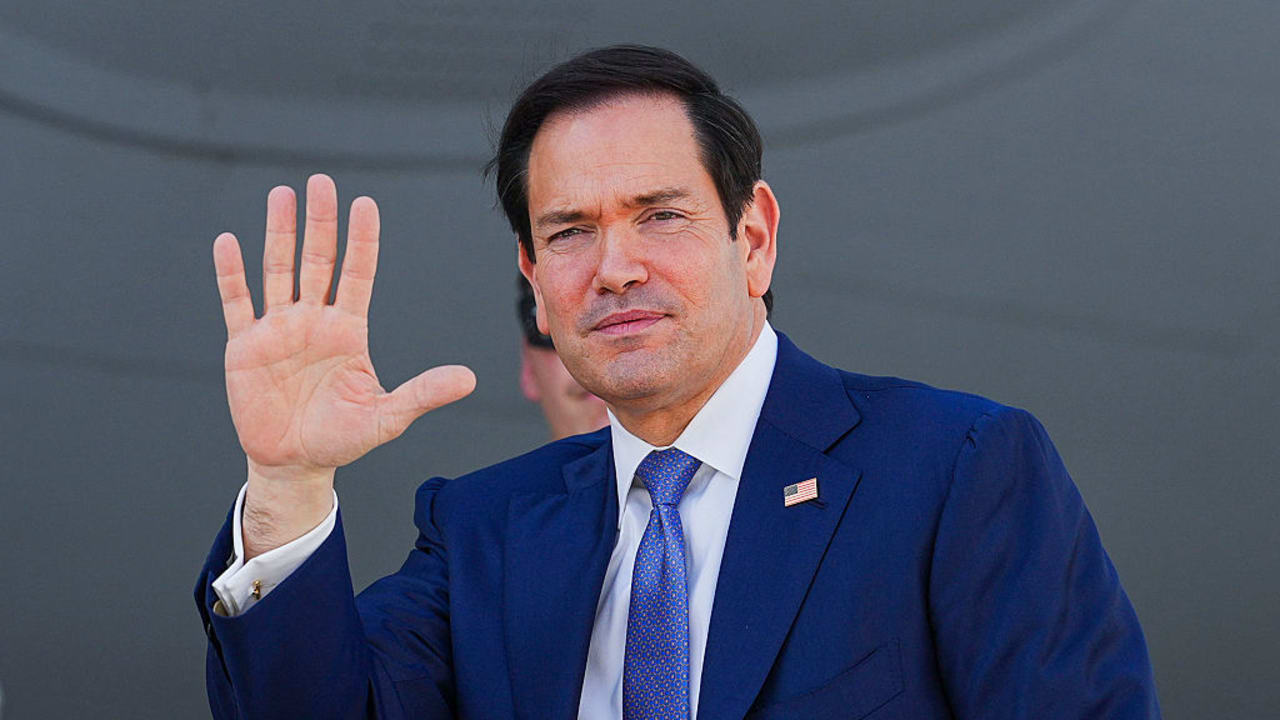
On Monday, U.S. Secretary of State Marco Rubio ordered Iran’s delegation to the United Nations General Assembly to leave the United States due to stalled negotiations between Washington and Tehran. This decision reflects heightened tensions and a significant diplomatic rebuke, as discussions aimed at resolving longstanding conflicts between the two countries failed to yield a breakthrough.
Overview of the Diplomatic Situation
The Iranian delegation included Foreign Minister Abbas Araghchi, who had been engaged in indirect talks with U.S. officials during their time in New York. While the Iranian team was expected to depart soon due to the conclusion of the UN General Assembly, Rubio’s directive emphasized that their continued presence was no longer welcomed, marking an unusual and pointed diplomatic move.
Reports suggest that intermediaries from Qatar had been working to facilitate discussions between the U.S. and Iran, but neither side was willing to make the necessary compromises. Despite optimism at the beginning of the day about potential progress, by the afternoon, it was evident that the negotiations had reached an impasse.
Details of the Order and Its Implications
Following Rubio’s instructions, the U.S. mission to the UN officially communicated that Araghchi and his delegation had to leave New York immediately. An anonymous U.S. official mentioned that their extended stay was inappropriate as the General Assembly had concluded. This order underscores the growing urgency for the U.S. to distance itself from Iranian officials, particularly as hopes for a diplomatic breakthrough continue to diminish.
Araghchi and other Iranian delegates made their way to the airport later that evening, boarding a flight to Doha at 1:20 a.m. Tuesday. While the U.S. had demanded their swift departure, sources noted that Araghchi was already scheduled to return to Tehran that same night. This adds a layer of complexity to the situation, highlighting the strategic considerations in the diplomatic discourse between both nations.
Future Prospects for U.S.-Iran Relations
The current diplomatic landscape between the U.S. and Iran remains fraught with challenges. The inability to reach an agreement on crucial issues signals a deteriorating relationship that could have ramifications not only for both countries but also for regional stability. As tensions continue to mount, the international community is watching closely, hoping for a diplomatic resolution to avoid escalating conflicts.
Moving forward, it will be essential for both parties to reconsider their stance and find a middle ground if there is any hope for progress. The complexities of U.S.-Iran relations are deeply rooted in historical grievances and geopolitical interests, so any potential negotiation will require significant concessions from both sides. Only time will tell if future discussions can pave the way for a more amicable relationship.