
On November 12, 1993, Brazilian Royce Gracie entered the octagonal cage at the inaugural Ultimate Fighting Championship in Denver, facing an imposing opponent—Dutch kickboxer Gerard Gordeau. Gracie, who was smaller and less experienced, executed a swift victory in just over 100 seconds, showcasing the effectiveness of Brazilian jiu-jitsu. His remarkable win captivated an audience of 80,000 pay-per-view viewers, including a student in San Diego who was inspired to learn martial arts.
### The Humble Beginnings of a Future Power Player
The student, who called himself Ben, arrived at a Brazilian jiu-jitsu academy wearing casual attire and a reserved demeanor. Initially not taken seriously by his peers, Ben quickly proved his dedication and skill, often staying late to clean the mats and tackling the challenges of rigorous training. His background remained a mystery, but he was determined to excel in the sport that had transformed Gracie’s life.
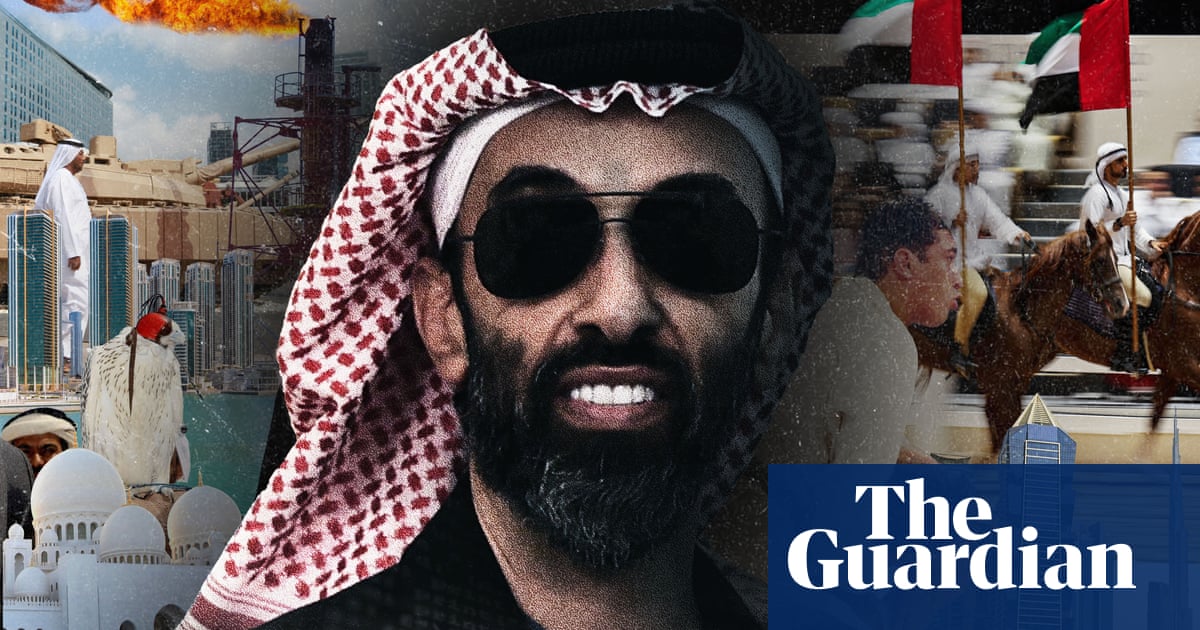
After more than a year of training, Ben announced plans to return to Abu Dhabi, prompting rumors that he aimed to establish a martial arts academy. Invitations followed, leading to a lavish experience for his classmates, who were stunned to find Ben’s family background intertwined with wealth and influence in the UAE. This revelation positioned Ben as the enigmatic Sheikh Tahnoon bin Zayed Al Nahyan—a crucial figure whose financial empire would grow to rival that of entire nations.
### The Global Influence of Sheikh Tahnoon
Sheikh Tahnoon’s ambitions extended beyond just wealth; he sought to shape the future through investments in technology and artificial intelligence. As a financier, he collaborated with high-profile entities in Silicon Valley, positioning himself at the intersection of national security and technological advancement. Under his guidance, Abu Dhabi’s investments in AI and cyber capabilities led to the establishment of G42, a company aiming to revolutionize how AI interfaces with daily life and governance.
However, Sheikh Tahnoon is also a figure surrounded by secrecy and security concerns. His operations have occasionally cast shadows over his reputation, as allegations of human rights abuses and oppressive tactics under his regime surfaced. Critics argue that the same technologies designed for commercial advancement might also serve as tools for disinformation and state-controlled surveillance.
### Balancing Power and Innovation
The Emirati leader’s influence reached new levels when the UAE struck major deals to access cutting-edge AI technology, exemplifying the country’s ambition to become a global tech leader. His interactions with U.S. political entities, including the Trump administration, raised eyebrows, especially as connections between personal investments and state policy became evident. The intertwining of his business ventures with national interests showcased a strategic leverage that aligned with the U.S.’s priorities regarding AI development.
As tensions in the Middle East escalated, Sheikh Tahnoon’s skillful navigation through complex geopolitical landscapes allowed him to engage in covert diplomacy. Reports indicate that he successfully negotiated peace agreements, reflecting his influence not only within the UAE but across the region. All these moves positioned him as an essential player in both national and global scenarios.
### A Dual Identity: The Financial Titan and the Enigmatic Spymaster
While he may appear as a corporate leader, Sheikh Tahnoon’s dual role as a national security figure and financier creates a complex legacy. Many within the UAE express concern over the consolidation of power among the ruling family, arguing that it inhibits market competition and limits freedom. However, supporters assert that the Al Nahyans’ grip on power serves the nation well, keeping it stable and prosperous amidst regional chaos.
As technology advances, the implications of Sheikh Tahnoon’s influence on AI and state governance become more pronounced. With multiple layers of control woven into the fabric of Emirati society, the questions surrounding transparency and ethical governance persist. The narrative surrounding Sheikh Tahoon reflects broader global concerns about the intersection of technology, power, and the individual’s rights.
In the end, Sheikh Tahnoon bin Zayed Al Nahyan stands as a figure who embodies both the promise of technological advancement and the complexities of power in the 21st century—an agent of change navigating a world wrought with both opportunities and risks.