
Turkey’s Role as a Key Partner in Geopolitical Turbulence
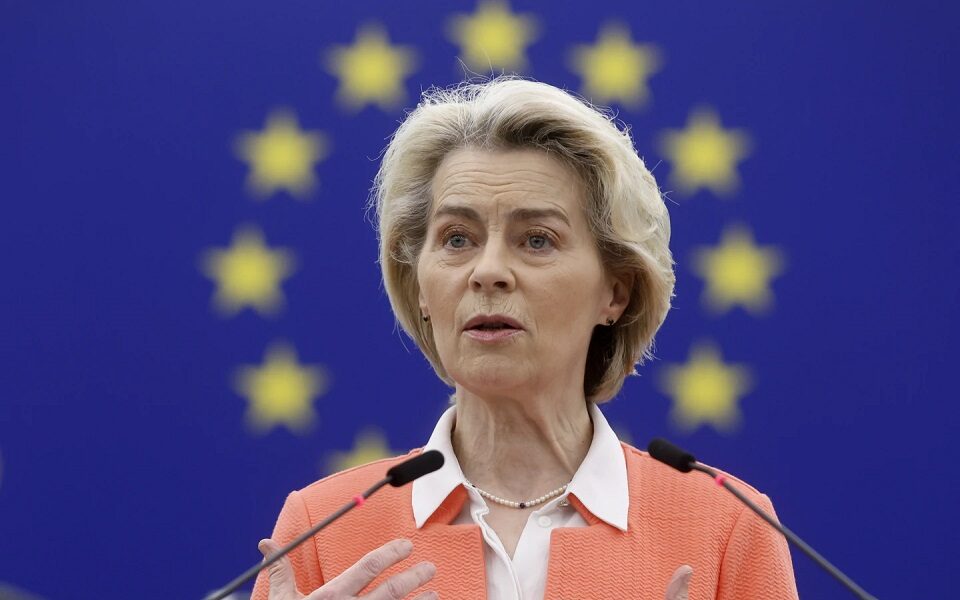
European Commission President Ursula von der Leyen has recently underscored Turkey’s significance as a vital partner amid increasing geopolitical challenges. In a phone conversation with Turkish President Recep Tayyip Erdogan, von der Leyen highlighted the shared concerns and collaborative interests between the European Union and Turkey.
Shared Interests and Cooperation
In her communication, von der Leyen emphasized that both the EU and Turkey are aligned in their objectives regarding the protection of open trade routes, energy security, and the overall stability of global supply chains. The two sides discussed the importance of maintaining collaboration in these areas, showcasing their commitment to mutual interests. Additionally, von der Leyen acknowledged Turkey’s role in promoting de-escalation and diplomatic efforts concerning the ongoing crisis in Iran. Such diplomatic engagement is crucial, particularly during turbulent times, and positions Turkey as an essential ally for the EU.
Addressing Regional Issues
The discussions also included pressing regional matters, specifically focusing on the Eastern Mediterranean and the longstanding Cyprus issue. Both leaders reiterated the necessity of strengthening EU-Turkey relations, recognizing the profound implications that these regional dynamics hold for broader European stability. According to sources from Kathimerini, the call, which Erdogan initiated, primarily concentrated on the crises in the Middle East and developments in Cyprus, without venturing into other topics. This indicates a targeted approach to address significant challenges directly affecting both parties.
Controversial Remarks and Clarifications
Von der Leyen’s previous remarks, made during an event commemorating the 80th anniversary of the German weekly Die Zeit, sparked some controversy in Ankara. She had mentioned Turkey alongside Russia and China while discussing the ongoing EU enlargement process. Specifically, she stated that “we must succeed in the completion of the European continent, so that it is not influenced by Russia, Turkey, or China.” Following the backlash, the European Commission clarified that the reference to Turkey was intended to highlight its geopolitical influence and its role in the Western Balkans. The clarification aimed to distance the comment from any negative connotations while reaffirming Turkey’s strategic importance.
The Status of the Cyprus Issue
On the matter of Cyprus, the European Commission is currently in a transitional phase as it seeks to appoint a successor to Johannes Hahn, the former EU special envoy who recently resigned. His departure marked a critical juncture in addressing the complexities surrounding the Cyprus issue, which remains a key point of contention in EU-Turkey relations. The lack of an appointed envoy may affect the progress and negotiations surrounding this long-standing dispute.
As geopolitical landscapes continue to evolve, Turkey’s collaborative role with the EU remains central to addressing security, trade, and diplomatic challenges. The dialogue between President von der Leyen and President Erdogan illustrates the ongoing commitment to partnership, showing that even amid tensions, there exists a platform for cooperation. With both parties recognizing the benefits of dialogue and collaboration, the future of EU-Turkey relations could hold significant implications for regional and global stability.