
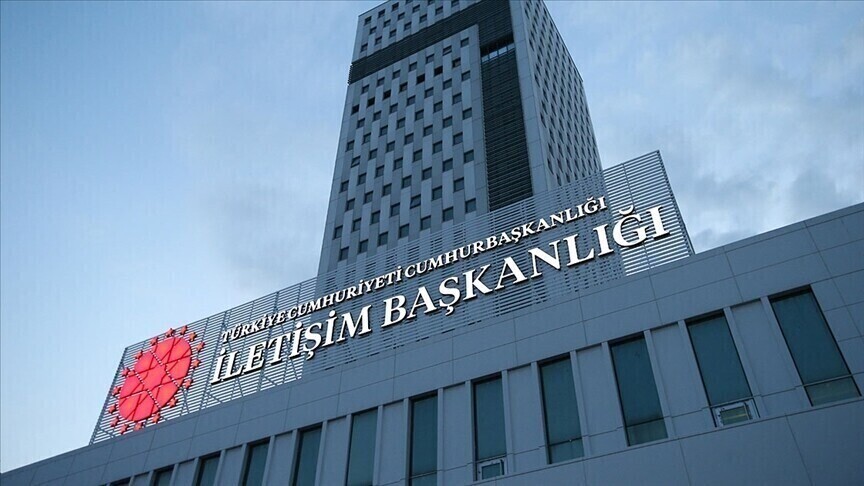
The Center for Combating Disinformation has recently addressed significant claims regarding a purported meeting between officials from the Syrian government and Hezbollah in Türkiye. These allegations have been labeled as completely unfounded and without merit.
Understanding the Allegations
In the current geopolitical climate, rumors and unfounded claims can spread rapidly, creating confusion and mistrust among nations. The specific accusations concerning a high-level meeting between representatives of the Syrian regime and Hezbollah—a militant group based in Lebanon—have fueled speculation about potential collaborations and agreements. However, the Center for Combating Disinformation has firmly identified these claims as baseless.
The context of these allegations stems from ongoing tensions in the region. With the Syrian civil war still impacting its neighbors and the presence of various factions, stories of clandestine meetings often arise. Despite the gravity of such claims, it is crucial to approach them with a discerning eye. Assertions of cooperation between the Syrian regime and Hezbollah could lead to serious political ramifications, making it imperative that such allegations are thoroughly assessed.
The Role of the Center for Combating Disinformation
The Center for Combating Disinformation aims to tackle false narratives that can disrupt international relations and spread misinformation among the public. By conclusively debunking the recent claims, they emphasize the importance of verifying facts and not succumbing to sensationalism. Their declarative stance serves not only to clarify what is and isn’t true but also to foster a more informed public dialogue in a landscape often marred by deceit.
This organization’s role is vital in promoting transparency and accountability, particularly in regions where misinformation can lead to escalated conflicts. Through their efforts, they strive to ensure that the truth prevails and that the public is equipped with accurate information to counteract misleading narratives.
Why Misinformation Matters
The proliferation of misinformation, particularly in geopolitical contexts, can have far-reaching effects. It can incite tensions between countries, mislead the public, and even influence policy decisions. When unsubstantiated claims circulate, they can incite fear and misunderstanding, complicating diplomatic negotiations and escalating conflicts.
For example, if word of a supposed alliance between Syria and Hezbollah were taken at face value, it could prompt defensive reactions from neighboring countries and possibly international stakeholders. Hence, it is paramount that organizations like the Center for Combating Disinformation fulfill their role in correcting these narratives promptly.
The Importance of Accountability
As we navigate an era of rapid information exchange, the need for accountability in reporting cannot be overstated. Journalists, analysts, and informers bear a responsibility to report diligently, ensuring the validity of the information they disseminate. In the case of the allegations against the Syrian government and Hezbollah, it is essential that media outlets adhere to strict evaluation standards, prioritizing factual accuracy over sensational content.
To combat misinformation, it is crucial to rely on reputable sources and expert opinions. Engaging audiences to think critically about the information they consume serves not just to debunk falsehoods but also to foster a culture of informed citizenship. By prioritizing trustworthy information, we can work towards a better understanding of complex international dynamics.