
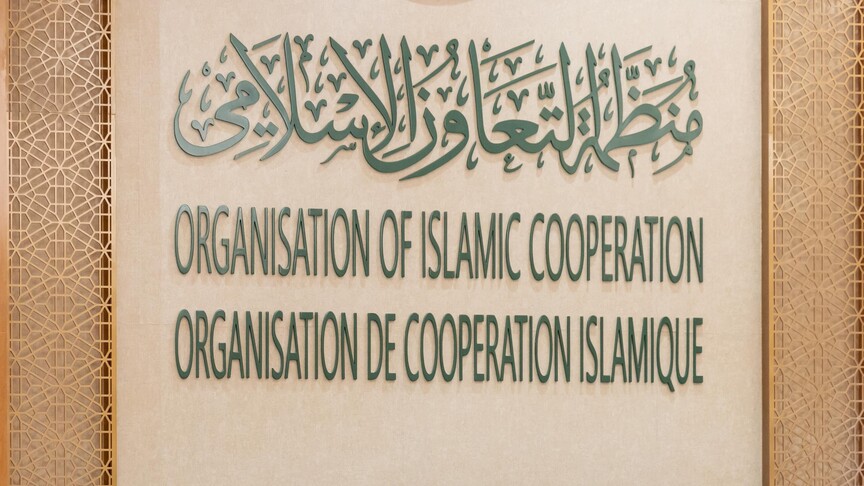
On October 1, 2026, the Organization of Islamic Cooperation (OIC) along with several Arab nations voiced their disapproval regarding a recent drone attack on a power station in Medina, Saudi Arabia. The Saudi-led coalition has linked the incident to the Houthi movement. The targeted station, known as Taiba, is vital as it provides electricity to the revered Prophet’s Mosque.
OIC’s Strong Stance
The OIC’s General Secretariat expressed a robust condemnation of the attack, labeling it a serious escalation and a blatant infringement on the sacredness of holy sites as well as international humanitarian laws. The organization reaffirmed its unwavering support for Saudi Arabia in its efforts to secure its territory and protect Islamic shrines. In their statement, they emphasized the importance of safeguarding the safety and stability of both citizens and residents within the kingdom.
UAE’s Reaction
The United Arab Emirates’ Foreign Ministry also publicly distanced itself from the attack, calling it a grave violation of Saudi sovereignty. In their remarks, they underscored their total solidarity with Saudi Arabia and reiterated their commitment to supporting measures that enhance its security and stability. Such statements underline the UAE’s ongoing supportive relationship with its neighbor amid escalating regional tensions.
Jordan’s Support
Jordan condemned the drone strike as an affront to Saudi sovereignty and a threat to its broader security and territorial integrity. The nation characterized the assault as contrary to both international and UN law. Jordanian Foreign Ministry spokesman Fuad Majali articulated the country’s complete solidarity with Saudi Arabia, pledging continued support for measures aimed at securing the kingdom and its citizens against further threats.
Kuwait’s Concerns
Kuwait remarked that attacking an electrical facility serving such an important site was part of a disturbing pattern of assaults on civilian infrastructure. The Kuwaiti Foreign Ministry highlighted how these attacks not only infringe upon Saudi sovereignty but also stir emotions among Muslims globally, threatening the sanctity of Islamic holy sites. In a show of unity, Kuwait reiterated that the security of Saudi Arabia is vital to the safety of the entire Gulf Cooperation Council (GCC) region.
Bahrain’s Position
In a similar vein, Bahrain denounced ongoing attacks by the Iran-aligned Houthis against Saudi Arabia. The Bahraini government backed Saudi measures to defend its sovereignty and security, affirming rights to self-defense. They also urged the United Nations Security Council to adopt a stern stance against repeated Houthi aggressions, advocating for the enforcement of relevant resolutions aimed at curtailing such violence.
On the same day as these reactions, the Saudi-led coalition reported that the drone attack had occurred early on September 29, resulting in one transformer failing without disrupting the electricity supply. Coalition spokesman Maj. Gen. Turki al-Maliki attributed the planning and execution of the strike to the Houthis, asserting that their actions were a part of broader attempts to target essential facilities supporting the Two Holy Mosques. The Houthis have yet to respond to these allegations.
In the past month, the coalition had already intercepted a Houthi drone aimed at Mecca, indicating a growing concern over threats to major religious cities. The ongoing tensions in the region have prompted these nations to stand united in their defense of sovereignty and the sanctity of Islamic sites.