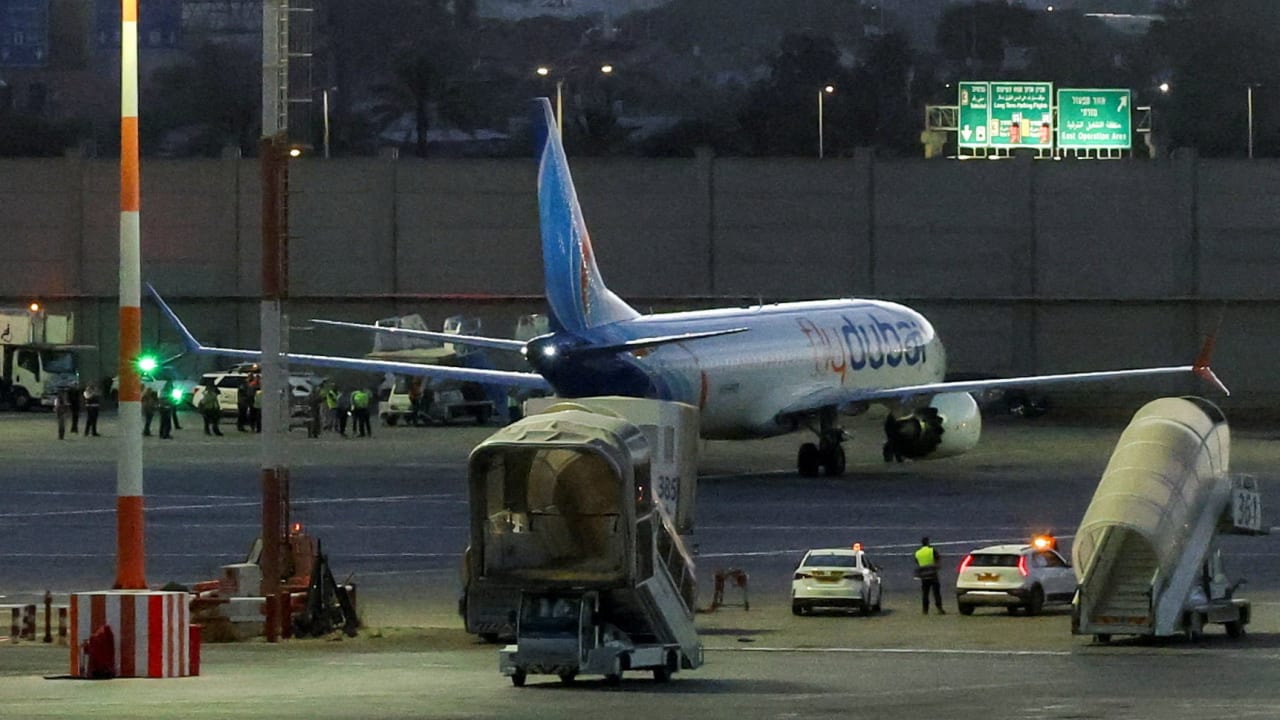
The recent incident involving a flydubai aircraft, which was hijacked by a co-pilot, has raised significant concerns across international aviation communities. The Saudi Interior Ministry confirmed that both the injured pilot, Capt. Smit Machchhar, and the hijacker have been transported to the United Arab Emirates (UAE) for further medical care and investigations. This incident not only highlights issues surrounding aviation safety but also questions the protocols involved in handling such emergencies.
Details of the Incident
Upon landing in Tabuk, the aircraft was met by a response team that quickly addressed the medical needs of the pilot, who sustained injuries during the hijacking. The hijacker was also evaluated by medical professionals and subsequently flown to the UAE. An Emirati security detail escorted both individuals to ensure their safety. The Saudi Interior Ministry emphasized that all emergency procedures were implemented according to international standards, ensuring that both air traffic and public safety remained a priority.
Investigation Underway
Israeli Prime Minister Benjamin Netanyahu stated that investigations regarding the hijacker are ongoing in Saudi Arabia. He underscored the importance of understanding the motivations behind the attack and mentioned that Israeli authorities might also participate in the probe. During an interview, Netanyahu expressed his intent to uncover any potential connections involving external influences, including the possibility of Iranian involvement, although he deemed it too early to draw definitive conclusions.
Potential Links to Terrorism
The UAE has launched its own investigation into the incident. This inquiry aims to determine whether the hijacking was premeditated or linked to any terrorist organizations. UAE judicial authorities are overseeing the case because the plane is registered within its jurisdiction. This adds an additional layer of complexity, as UAE law applies to any crimes committed on board, even outside its national territory.
Initial Assessments by Security Officials
According to Israeli security sources, the preliminary assessment indicates that the co-pilot acted independently, albeit investigations continue. This notion raises questions about internal security measures in airlines and how thoroughly potential threats are monitored or mitigated during flights. The incident has sparked discussions about enhancing safety protocols for both pilots and passengers, highlighting the evolving complexities of airline security.
With ongoing investigations in Saudi Arabia and the UAE, the global aviation community awaits further insights into the hijacking. As countries scrutinize their security protocols and response measures, the ramifications of this incident will likely prompt a reevaluation of existing aviation laws and regulations.