
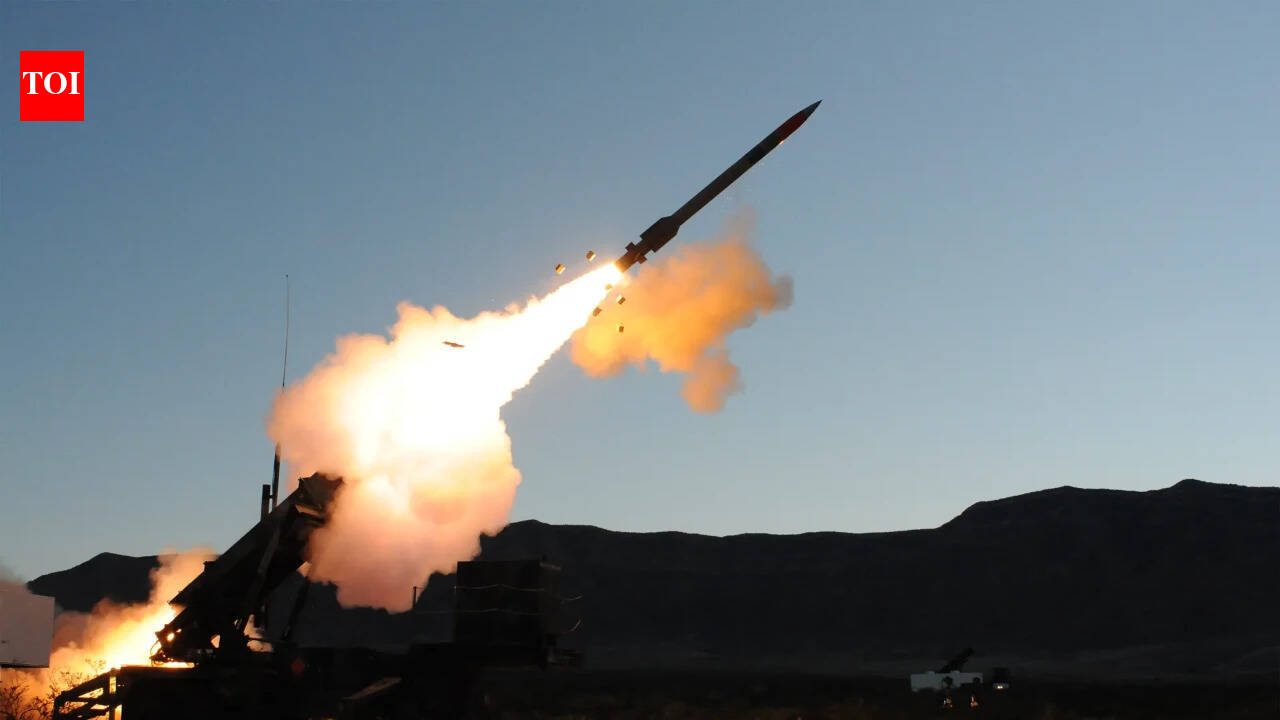
The recent deployment of Patriot missile batteries by the U.S. military to Saudi Arabia and Qatar underscores rising tensions in the Gulf region, particularly concerning potential confrontations with Iran. As the U.S. prepares for possible escalation, these additional defenses aim to safeguard crucial oil and gas facilities from potential Iranian retaliation.
Enhanced Security Measures in Response to Geopolitical Tensions
According to reports from Axios, this strategic move responds to expressed concerns from Saudi and Qatari officials regarding the likelihood of Iranian attacks on their energy sectors if U.S. military actions against Tehran resume. One missile battery has been stationed in Saudi Arabia to shield a vital oil installation, while another has been placed in Qatar to secure a natural gas facility. These developments highlight the precarious position of Gulf energy infrastructure amid renewed hostilities and serve as a warning about escalating conflict in the region.
In recent months, the potential for renewed military operations has been a topic of discussion, particularly during a period in August when U.S. President Donald Trump reportedly considered a significant strike on Iranian assets. Saudi and Qatari leaders vehemently opposed this plan, emphasizing the danger to their economies and energy resources should Iran choose to retaliate.
The Economic Implications of Military Escalation
Any substantial military action targeting oil or gas infrastructure in the region could lead to significant disruptions in energy supply chains, further straining global markets. The economic reverberations of such conflicts could be enormous, especially if they impede shipping routes in strategic waterways crucial for the transport of oil and gas.
Alongside the heightened security measures in the Gulf, the U.S. is increasingly feeling the strain on its missile defense capabilities. As the conflict with Iran has progressed, demand for Patriot batteries and their interceptors has surged. The Center for Strategic and International Studies has indicated that U.S. interceptor stocks have dipped below 1,000, a concerning trend given the extensive use of these systems during ongoing hostilities.
U.S. Military Reinforcements in the Middle East
In light of these challenges, the Pentagon has taken steps to bolster its military presence in the region. This includes the deployment of additional warships, fighter aircraft, and troops, reinforcing U.S. commitments to its allies. The Makin Island Amphibious Ready Group, carrying thousands of U.S. Marines, has also been sent to the area. This growing military footprint demonstrates Washington’s readiness to respond to evolving threats.
The Patriot air and missile defense system, integral to these deployments, serves as a ground-based protection mechanism for troops and vital infrastructure against aerial attacks. The advanced capabilities of the latest PAC 3 Missile Segment Enhancement (MSE) interceptor, featuring hit-to-kill technology, ensure that it can effectively neutralize incoming threats with greater range and precision than its predecessors.
In summary, the U.S. military’s enhanced deployment of Patriot missile batteries in Saudi Arabia and Qatar demonstrates a proactive approach to safeguarding critical energy infrastructure against potential Iranian hostilities. Amid escalating tensions and the risk of military confrontation, these measures not only aim to protect economic interests but also reflect the complex geopolitical landscape of the Gulf region. As the situation evolves, the balance of security and energy stability remains a focal point for all involved parties.