
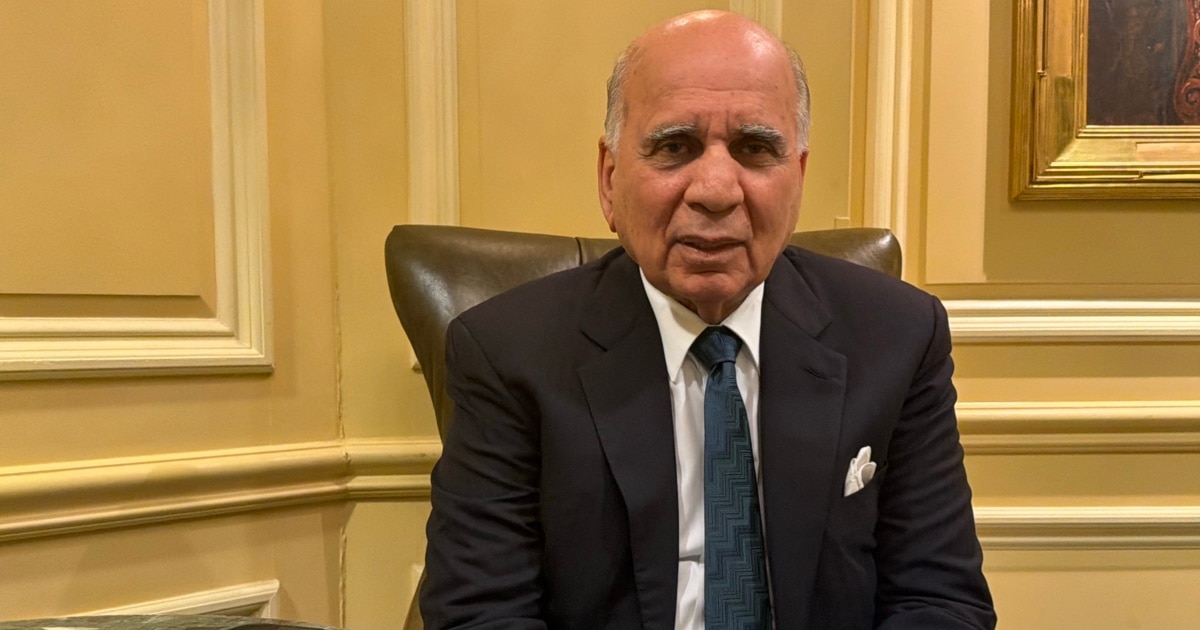
Iraq finds itself in a precarious position as tensions between the United States and Iran escalate, impacting its economy and security. Iraqi Foreign Minister Fuad Hussein recently discussed with RFE/RL the ways the ongoing conflict is affecting Baghdad and the country’s desire to facilitate dialogue between the two powers.
Impact of U.S.-Iran Tensions on Iraq
The Iraqi Foreign Minister emphasized that the current conflict has left Iraq vulnerable, particularly due to attacks and disruptions in oil exports through the vital Strait of Hormuz. Hussein highlighted that Iraq is caught in the crossfire, suffering from both military strikes and economic hardships. Efforts to export oil have faced interruptions, threatening the country’s already fragile economy. As Baghdad navigates these challenges, Hussein advocates for the United States and Iran to return to the negotiating table. He expressed Iraq’s readiness to mediate talks if both parties are open to it, indicating a strategic role for Baghdad in regional diplomacy.
Despite the end of the U.S. military mission in Iraq being touted as a watershed moment for Iraqi sovereignty, Hussein reassured that this transition signifies a shift rather than a complete overhaul of bilateral relations. He stressed the importance of strengthening ties in areas such as economic cooperation and political alliances. Iraq also plans to initiate discussions with the U.S. to establish a new bilateral security agreement.
A New Era of Sovereignty
When asked whether the withdrawal marks a new chapter in Iraq’s sovereignty, Hussein affirmed its significance. The relationship with the U.S., while evolving, still holds vital importance. He maintains that every conflict necessitates an end, and diplomacy is crucial for reaching lasting solutions. Hussein believes the war between the United States and Iran must cease, as alternative resolutions are dwindling. He pointed out that the continuation of military conflicts can have destabilizing effects, especially for nations like Iraq, which have already borne the brunt of regional strife.
Hussein’s concerns extend to the current geopolitical landscape, as the conflict has expanded beyond a bilateral issue, ensnaring Iraq in a broader regional struggle. The Minister remarked that Iraq has already experienced numerous attacks related to this escalating conflict, and he hopes for peace to return to the region.
Iraq’s Mediatory Position
In recent discussions, Hussein revealed that Iraq maintains a dialogue with both Tehran and Washington. He encouraged all involved parties to re-engage in negotiations, expressing optimism about previous talks during the UN General Assembly that, despite not reaching a resolution, indicate a willingness to communicate. Should both the U.S. and Iran seek mediation, Iraq stands prepared to facilitate discussions. Hussein believes Iraq is well-positioned to play this role, provided both sides are willing to approach the nation for assistance.
Furthermore, as military escalations remain a possibility, Hussein cautioned against the consequences of renewed conflict. He argued that war would not benefit any party, particularly Iraq, which has endured extensive devastation in the past. The Iraqi people have lived through successive generations marked by military hardship, making Iraqis resolutely against further warfare. The emphasis is on finding peace through negotiation rather than military might, as this approach has historically led to more significant damages.
To safeguard its economic interests, especially concerning oil exports, Iraq is closely monitoring the situation in the Strait of Hormuz. With the country heavily reliant on oil income, any disruptions could lead to severe economic repercussions. The Iraqi government is engaged in ongoing negotiations with various armed groups within the country to secure stability and ensure that Iraq does not become embroiled in external conflicts, thereby hoping to foster a climate conducive to both regional peace and national economic recovery.