
The U.S. Enhances Military Presence in the Gulf Region
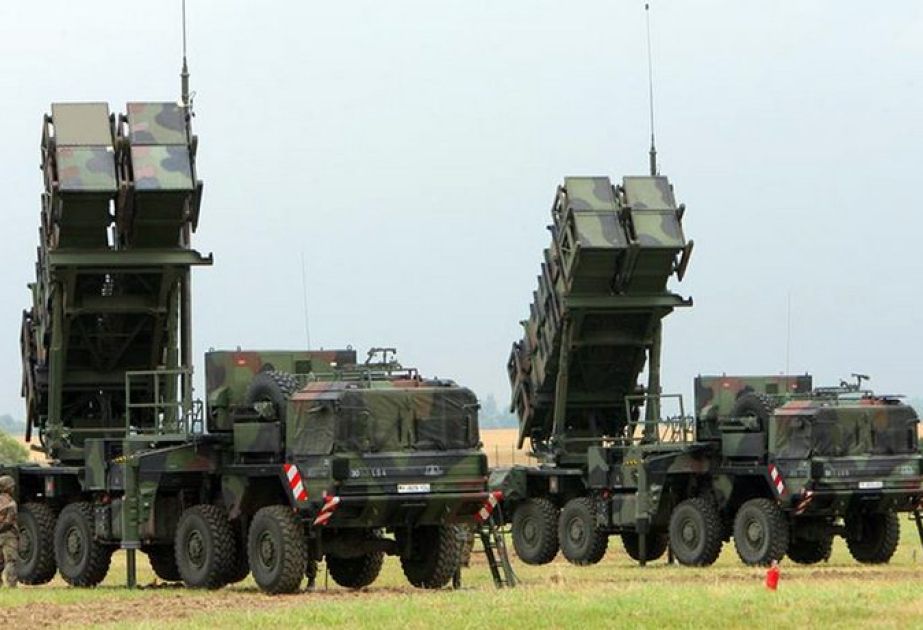
In an effort to bolster the security of critical energy assets in the Middle East, the United States has deployed two additional Patriot missile batteries in Saudi Arabia and Qatar. This move comes amid rising tensions in the region and aims to safeguard oil and gas facilities that are vital to the economies of these nations.
Strategic Deployment of Patriot Missiles
According to reports, one of the newly deployed Patriot missile batteries is now positioned at a major oil facility in Saudi Arabia, while the other is stationed at a natural gas facility in Qatar. The U.S. government believes that enhancing military capabilities in these areas will provide stronger protection for the energy infrastructure of its allies. This deployment is a clear signal of the United States’ commitment to ensuring the safety and stability of energy supplies in the Gulf region.
The strategy aligns with ongoing discussions among U.S. officials and regional leaders about the need for heightened security measures. As tensions with Iran remain a looming concern, the U.S. aims to reassure Saudi Arabia and Qatar of its unwavering support, particularly if military operations against Iran were to escalate.
Reassurances Amid Regional Tensions
In early August, U.S. President Donald Trump contemplated a military response, potentially targeting Iran’s energy infrastructure. However, leaders from both Saudi Arabia and Qatar expressed profound apprehension regarding the repercussions of such actions. They cautioned that any military strikes might provoke Iranian retaliation against their critical oil and gas sectors. Their concerns significantly influenced Trump’s decision to forgo military options in favor of imposing economic sanctions on Iran.
This diplomatic interplay highlights the delicate balance that the U.S. must navigate in the region. By deploying additional missile defenses, the U.S. seeks not only to deter Iranian aggression but also to maintain stability in a vital area for global energy supply.
Military Assets in the Region
Adding to the military presence, the USS Theodore Roosevelt aircraft carrier and its strike group are making their way to the Middle East, with an expected arrival in mid-November. This move will position the U.S. with three aircraft carrier strike groups in the region, enhancing its operational capabilities. Such a robust military presence could deter potential threats while comforting allies concerned about regional instability.
By maintaining a significant naval presence, the U.S. emphasizes its commitment to protecting the energy corridors that are essential not just to the Gulf states but also to the global economy. The coexistence of multiple military assets in the area represents a tactical posture aimed at mitigating risks and reinforcing U.S. alliances in the face of increasing regional uncertainties.
Overall, these developments illustrate the ongoing complexities of U.S. foreign policy in the Middle East, particularly regarding energy security and military readiness. By reinforcing its presence, the U.S. not only aims to deter adversaries but also to reassure allies of its commitment to defending critical infrastructure against potential threats.